Where to Donate Camping Tent
Donating a camping tent is a meaningful way to support unhoused individuals, disaster relief efforts, and outdoor programs. This guide covers trusted organizations, preparation tips, and how your donation can make a real difference.
Key Takeaways
- Donate to homeless shelters: Many shelters accept gently used tents to help people experiencing homelessness stay safe and dry.
- Support disaster relief groups: Organizations like the Red Cross and Team Rubicon use tents for emergency shelter during crises.
- Check condition first: Only donate tents that are clean, dry, and free of mold, holes, or broken parts.
- Clean and repair before donating: A well-maintained tent increases usability and safety for recipients.
- Contact local outdoor programs: Youth camps and scouting groups often need tents for group activities.
- Avoid landfill waste: Donating extends a tent’s life and reduces environmental impact.
- Ask about pickup options: Some charities offer free pickup services for larger donations.
📑 Table of Contents
Why Donating Your Camping Tent Matters
You’ve had countless adventures under the stars, but now your trusty camping tent is sitting unused in the garage. Instead of tossing it or letting it collect dust, consider donating it. A used tent might be exactly what someone else needs to stay warm, dry, and safe.
Every year, thousands of people face homelessness or displacement due to natural disasters. For them, a sturdy tent can mean the difference between exposure and shelter. Even if your tent isn’t brand new, it can still provide critical protection when properly maintained. Donating your camping tent isn’t just about decluttering—it’s an act of compassion that supports vulnerable communities and promotes sustainability.
Who Can Benefit from a Donated Tent?
Several groups actively seek tent donations. Homeless individuals often rely on tents as their primary shelter, especially in urban areas where temporary housing is scarce. Disaster survivors may lose everything in floods, wildfires, or hurricanes, and emergency tents become vital during recovery.
Outdoor education programs, such as youth camps and scouting organizations, also benefit. These groups frequently operate on tight budgets and appreciate donated gear. Even schools with outdoor learning initiatives may use tents for field trips or nature-based activities. By giving your tent a second life, you’re not only helping people in need but also encouraging outdoor exploration for younger generations.
Homeless Shelters and Outreach Programs
Many cities have outreach teams that distribute tents directly to people living on the streets. These organizations often partner with local shelters or run mobile aid units. Before donating, call ahead to confirm they accept tents and ask about specific needs—some may prefer larger family-sized models, while others focus on lightweight options for individuals.
Disaster Relief Organizations
Groups like the American Red Cross, Salvation Army, and Team Rubicon deploy tents during emergencies. These tents serve as temporary housing, medical stations, or supply distribution points. While they often receive bulk donations from manufacturers, individual contributions can still make an impact—especially in localized or slower-response disasters.
Youth and Community Programs
Scouts, 4-H clubs, and summer camps frequently need extra tents for group outings. These programs teach kids valuable outdoor skills and foster teamwork. A donated tent helps reduce costs and allows more children to participate. Some schools with outdoor classrooms or environmental education initiatives also welcome gear donations.
How to Prepare Your Tent for Donation
Before handing over your tent, take a few steps to ensure it’s donation-ready. A clean, functional tent is far more useful than one that’s moldy or missing parts. Start by inspecting the entire structure—check for tears, broken zippers, missing poles, or damaged stakes.
If you spot minor issues, consider making simple repairs. Sewing up small holes or replacing a broken pole tip can extend the tent’s life significantly. If the fabric is faded but intact, that’s usually fine—UV damage doesn’t always affect performance. However, avoid donating tents with extensive mold, strong odors, or structural weaknesses.
Cleaning Your Tent Properly
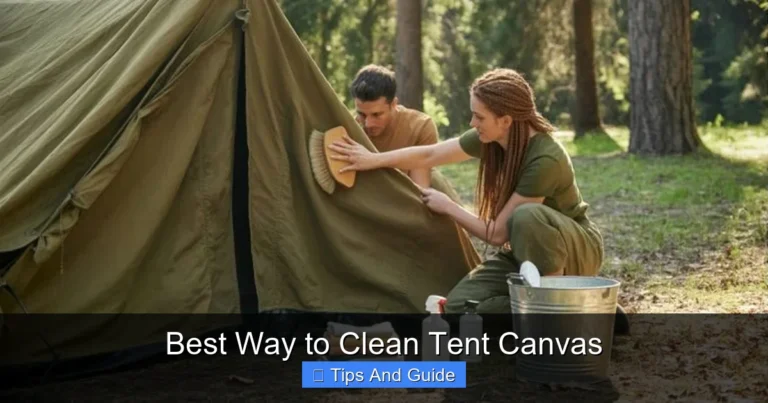
Cleaning is essential. Dirt, moisture, and mildew can ruin a tent over time. Begin by shaking out loose debris, then set up the tent in a clean, dry area if possible. Use a mild soap and lukewarm water to gently scrub the floor and rainfly. Avoid harsh detergents or bleach, which can degrade waterproof coatings.
Rinse thoroughly and allow the tent to air-dry completely—never pack it away damp. This prevents mold and mildew growth. For detailed cleaning steps, check out our guide on how to clean a tent after camping. Once dry, fold it neatly and store it in its original bag if available.
What to Include with Your Donation
Don’t forget the extras! Include all original components: poles, stakes, guylines, repair kits, and the stuff sack. If you’ve lost a few stakes, replace them with generic ones—they’re inexpensive and widely available. A complete set ensures the next user can set up the tent right away.
Consider adding a note with basic setup instructions or care tips. While most people know how to pitch a tent, a quick reminder can be helpful—especially for first-time users. You might also mention the tent’s capacity, season rating, or any quirks (like a tricky zipper).
Top Organizations That Accept Tent Donations
Several reputable groups welcome tent donations. Start locally—many cities have grassroots organizations that distribute gear directly to those in need. National charities also accept donations, though policies vary by location and current needs.
The National Alliance to End Homelessness maintains a directory of local service providers. Contact your city’s homeless outreach coordinator to find nearby drop-off points. In some areas, organizations like Covenant House or Urban Pathways run gear drives specifically for camping equipment.
For disaster relief, the American Red Cross and Direct Relief often coordinate tent distributions. However, they may prioritize monetary donations during large-scale emergencies to purchase new, standardized gear. Always call ahead to confirm current needs.
Local Outdoor and Recreational Groups
Don’t overlook community-based programs. Local scout troops, park districts, and outdoor clubs frequently seek affordable gear. Schools with environmental science programs might use tents for overnight field studies. Even animal shelters sometimes need temporary outdoor enclosures—check if they accept large tents for dog runs or cat habitats.
Online Platforms and Gear Swaps
If traditional charities aren’t an option, consider online platforms like Freecycle, Buy Nothing groups, or Facebook Marketplace (set to “free”). These allow you to connect directly with individuals or small organizations in your area. Be clear about the tent’s condition and meet in a public place for safety.
What Not to Do When Donating a Tent
While your intentions are good, certain mistakes can reduce the value of your donation. Never donate a tent that’s wet, moldy, or infested with pests. These conditions pose health risks and can spread to other gear. Similarly, avoid giving away tents with missing critical parts—like poles or rainflies—unless you’re certain the recipient can replace them.
Don’t assume all charities accept tents. Some shelters have strict policies due to space constraints or liability concerns. Always call or email first. Also, refrain from dropping off donations without notice—this can overwhelm staff and lead to items being discarded.
When to Recycle Instead
If your tent is beyond repair—severely torn, heavily mildewed, or missing major components—recycling may be the better choice. Some outdoor retailers, like REI, offer gear recycling programs. Alternatively, check with your local waste management service to see if they accept synthetic fabrics. While not ideal, recycling keeps the material out of landfills and supports circular economy efforts.
Making the Most of Your Donation
Your donated tent can do more than provide shelter—it can restore dignity and hope. For someone experiencing homelessness, a reliable tent means privacy, safety, and a sense of stability. For a family displaced by fire, it offers a temporary home while they rebuild.
To maximize impact, pair your tent donation with other essentials: sleeping bags, tarps, or hygiene kits. Many organizations appreciate bundled donations, as they’re easier to distribute. You might also volunteer your time—helping set up shelters or sorting donations strengthens community ties.
Finally, spread the word. Share your donation experience on social media or with friends. Encourage others to pass on unused gear. Small actions add up, and your tent could inspire a wave of generosity.
Frequently Asked Questions
Can I donate a tent with small holes or wear?
Yes, as long as the damage is minor and repairable. Small tears can often be patched, and slight fabric fading doesn’t affect performance. Avoid donating tents with large holes, broken frames, or mold.
Do homeless shelters really accept tents?
Many do, especially in cities with large unhoused populations. However, policies vary—some shelters focus on indoor beds, while outreach teams distribute tents directly. Always call ahead to confirm.
Should I clean my tent before donating?
Absolutely. A clean, dry tent is safer and more usable. Follow proper cleaning steps to remove dirt, odors, and moisture. For guidance, see our article on how to clean a tent after camping.
Can I get a tax deduction for my tent donation?
Possibly. If you donate to a registered 501(c)(3) nonprofit, you may qualify for a deduction. Keep a receipt and document the tent’s fair market value. Consult a tax professional for advice.
What if my local shelter doesn’t take tents?
Try outdoor programs, schools, or online community groups. You can also contact regional disaster relief coordinators or national charities with local chapters.
Is it better to donate or sell my used tent?
If your goal is to help others, donating is more impactful. Selling keeps the gear in circulation but may not reach those most in need. Consider donating first—if no one accepts it, selling is a good backup.