Where Can I Go Camping in a Tent
Whether you’re a first-time camper or a seasoned outdoor enthusiast, finding the right spot to pitch your tent can make all the difference. From scenic national parks to quiet forest clearings and lakeside retreats, there are countless amazing places to go camping in a tent—many of them free or low-cost.
So, you’ve got your tent, sleeping bag, and a sense of adventure—now where can you go camping in a tent? The good news is, the United States is packed with incredible places to sleep under the stars. Whether you’re dreaming of mountain peaks, quiet forests, or lakeside sunrises, there’s a perfect spot waiting for you. And the best part? Many of these locations are accessible, affordable, and open year-round.
Camping in a tent isn’t just about escaping the city—it’s about reconnecting with nature, unplugging from screens, and enjoying simple pleasures like a crackling campfire and the sound of crickets at night. But with so many options, it can be hard to know where to start. That’s why we’ve put together this guide to help you find the ideal place to pitch your tent, no matter your experience level or travel style.
Key Takeaways
- National parks offer well-maintained campsites with stunning views—think Yosemite, Yellowstone, and the Great Smoky Mountains.
- State parks are often less crowded and more affordable, with excellent facilities and family-friendly trails.
- Dispersed camping on public lands lets you camp for free in remote areas managed by the Bureau of Land Management (BLM) or U.S. Forest Service.
- Beach camping is possible in select coastal areas, like Oregon’s coast or Florida’s Gulf Islands, for a unique seaside experience.
- Always check local regulations and permits—some areas require reservations, while others allow first-come, first-served setups.
- Pack smart and leave no trace to protect nature and ensure future campers can enjoy the same spots.
- Apps and websites like Recreation.gov and The Dyrt help you find and book campsites with ease and real-time availability.
📑 Table of Contents
1. Explore America’s National Parks
If you’re looking for iconic scenery and well-organized camping facilities, national parks should be at the top of your list. These protected areas offer some of the most breathtaking landscapes in the country—and many have designated campgrounds perfect for tent camping.
Top National Parks for Tent Camping
Yosemite National Park in California is a dream destination, with towering granite cliffs, waterfalls, and giant sequoias. The Upper Pines, Lower Pines, and North Pines campgrounds are popular choices, but be sure to book early—reservations fill up months in advance.
Yellowstone National Park, spanning Wyoming, Montana, and Idaho, offers geysers, hot springs, and wildlife galore. Madison, Grant Village, and Canyon Campgrounds are great for tent campers and provide easy access to trails and boardwalks.
For a mix of mountains and mist, head to the Great Smoky Mountains National Park on the Tennessee-North Carolina border. Cades Cove and Elkmont Campgrounds are favorites, offering shaded sites and frequent deer sightings.
Tips for National Park Camping
Always reserve your spot through Recreation.gov. Most national parks require advance booking, especially during peak seasons (summer and fall). Arrive early if you’re trying for first-come, first-served sites. And remember: store food properly to avoid attracting bears and other wildlife.
2. Discover State Parks and Forests
While national parks get all the glory, state parks are often the unsung heroes of tent camping. They’re typically less crowded, more budget-friendly, and just as beautiful.
Why Choose a State Park?
State parks like Big Sur’s Julia Pfeiffer Burns in California or Letchworth State Park in New York offer stunning views, hiking trails, and peaceful campsites—often for under $30 per night. Many also have restrooms, picnic tables, and fire rings, making them ideal for families or beginners.
In the Pacific Northwest, Washington’s Deception Pass State Park features dramatic cliffs, beaches, and forested trails. Tent sites here are nestled among trees, offering privacy and a true back-to-nature feel.
Hidden Gems to Try
Don’t overlook lesser-known state parks. For example, Devil’s Lake State Park in Wisconsin has crystal-clear water, sandstone bluffs, and over 29 miles of hiking trails. Or try Hocking Hills State Park in Ohio, where you can camp near waterfalls and caves.
3. Try Dispersed Camping on Public Lands
Want to camp for free and avoid the crowds? Dispersed camping might be your answer. This type of camping allows you to pitch your tent almost anywhere on public lands managed by the Bureau of Land Management (BLM) or the U.S. Forest Service—no reservations needed.
Where to Find Dispersed Sites
In Utah, the BLM-managed lands around Moab offer endless opportunities for free tent camping near Arches and Canyonlands. Just drive down a dirt road, find a flat spot away from trails, and set up camp.
In Colorado, the Pike National Forest has countless dispersed sites along forest roads. You might be sharing the area with a few other campers, but the solitude and star-filled skies are worth it.
Rules to Follow
Dispersed camping is usually allowed up to 14 days in one location. Always camp at least 200 feet from water sources to protect the environment. And remember: pack out everything you bring in. No trash, no trace.
4. Camp by the Water: Lakes, Rivers, and Beaches
There’s something magical about falling asleep to the sound of waves or waking up to a misty lake at sunrise. Waterfront camping is a favorite among tent campers for its serene atmosphere and recreational opportunities.
Lake Camping Spots
Lake Tahoe in California and Nevada offers several campgrounds with lake views, like D.L. Bliss State Park and William Kent Campground. You can swim, kayak, or just relax on the shore.
In the Midwest, Lake of the Ozarks in Missouri has numerous campgrounds along its 1,150 miles of shoreline. Many sites are just steps from the water, perfect for fishing or sunset watching.
Riverside and Beach Camping
For a riverside retreat, try the Rogue River in Oregon. The Bureau of Land Management manages several primitive campsites along the river, ideal for rafting and fishing.
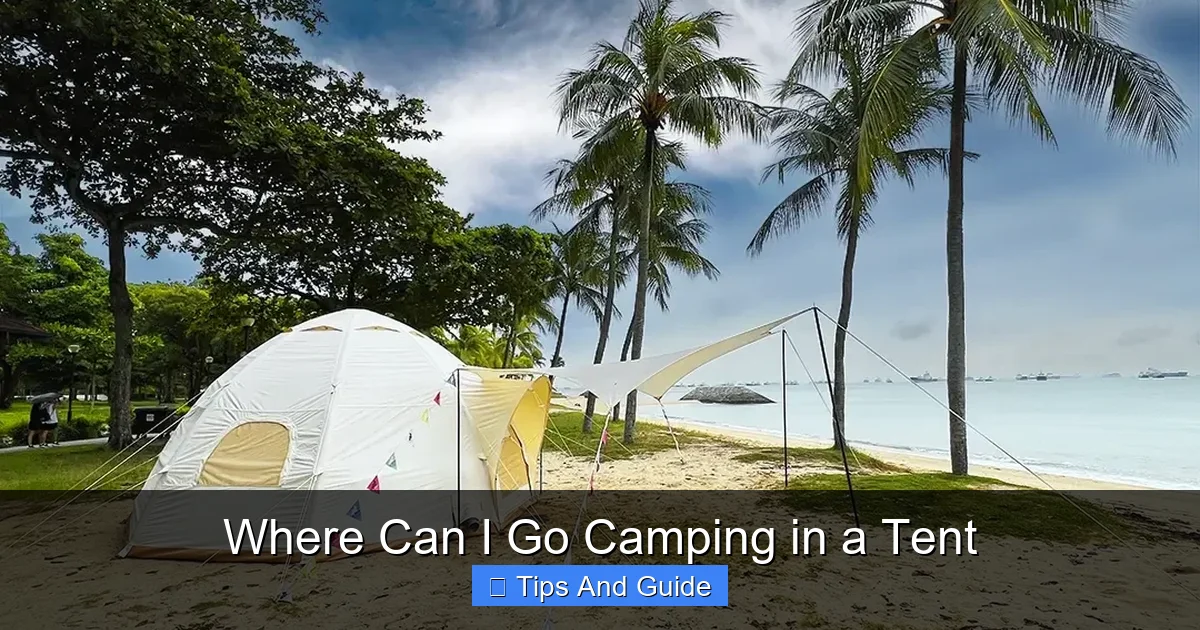
If you love the ocean, consider beach camping. Oregon’s coast has numerous BLM and state park sites where you can camp right on the sand—like at Harris Beach or Cape Blanco. Just be prepared for wind and cooler temperatures.
In Florida, Gulf Islands National Seashore allows tent camping on pristine white-sand beaches. Imagine falling asleep to the sound of waves and waking up to dolphins offshore.
5. Urban and Suburban Camping Options
Not everyone has the time or gear for a backcountry adventure. The good news? You can still go camping in a tent close to home.
City Campgrounds and RV Parks
Many cities have private campgrounds or RV parks that welcome tent campers. For example, Chicago’s Montrose Beach allows tent camping during designated events, and Portland, Oregon, has several urban campgrounds with easy access to downtown.
These spots often have showers, Wi-Fi, and even food trucks—perfect for a weekend getaway without leaving the city.
Backyard and Community Camping
You don’t even need to leave your property! Backyard camping is a fun way to introduce kids to the outdoors. Set up a tent, tell stories, and stargaze—all from your own lawn.
Some communities also host “pop-up” camping events in parks or open spaces. Check local event calendars for family-friendly camping nights.
6. Plan and Prepare for a Safe, Fun Trip
No matter where you choose to go camping in a tent, preparation is key. A little planning goes a long way in ensuring a safe and enjoyable experience.
Essential Gear Checklist
Start with a reliable tent—make sure it’s waterproof and big enough for your group. Bring a sleeping bag rated for the season, a sleeping pad for comfort, and a headlamp or flashlight.
Pack layers of clothing, a first-aid kit, a map or GPS, and plenty of water. Don’t forget a camp stove or firewood if fires are allowed.
Safety and Etiquette Tips
Always let someone know your plans and expected return time. Check the weather forecast and avoid camping during storms.
Practice Leave No Trace principles: pack out all trash, stay on trails, and respect wildlife. Be mindful of noise levels, especially in shared campgrounds.
And finally, be kind to other campers. Keep your site clean, share common areas, and enjoy the peace and quiet together.
Conclusion
So, where can you go camping in a tent? The answer is: almost anywhere your heart desires. From the towering peaks of national parks to the quiet corners of state forests, the open spaces of public lands, and the soothing shores of lakes and beaches, the U.S. offers endless opportunities for tent camping.
Whether you’re seeking solitude, adventure, or a family-friendly escape, there’s a perfect spot out there waiting for you. With a little research, the right gear, and a spirit of adventure, your next camping trip could be the most memorable one yet. So pack your tent, grab your sense of wonder, and head outside—nature is calling.
Frequently Asked Questions
Do I need a permit to camp in a tent?
It depends on the location. National and state parks usually require reservations or permits, especially during busy seasons. Dispersed camping on public lands often doesn’t require a permit, but always check local rules first.
Can I camp in a tent on public lands for free?
Yes, dispersed camping on BLM or U.S. Forest Service lands is typically free and doesn’t require reservations. Just follow the rules—camp at least 200 feet from water and stay no more than 14 days.
What’s the best time of year to go tent camping?
Spring and fall are ideal for most regions, with mild temperatures and fewer crowds. Summer is great for mountain or coastal camping, while winter camping is possible in warmer climates or with proper gear.
Are there tent-only campgrounds?
Yes, many campgrounds are tent-only or have designated tent sections. These areas are often quieter and more peaceful, perfect for those who want to avoid RVs and generators.
Can I camp on the beach in a tent?
Yes, in certain coastal areas like Oregon’s state parks or Florida’s Gulf Islands. Check local regulations—some beaches allow overnight camping, while others restrict it to day use only.
How do I find campsites near me?
Use apps like The Dyrt, Campendium, or Recreation.gov to search for campgrounds by location, amenities, and availability. You can filter for tent-only sites, water access, and pet-friendly options.