

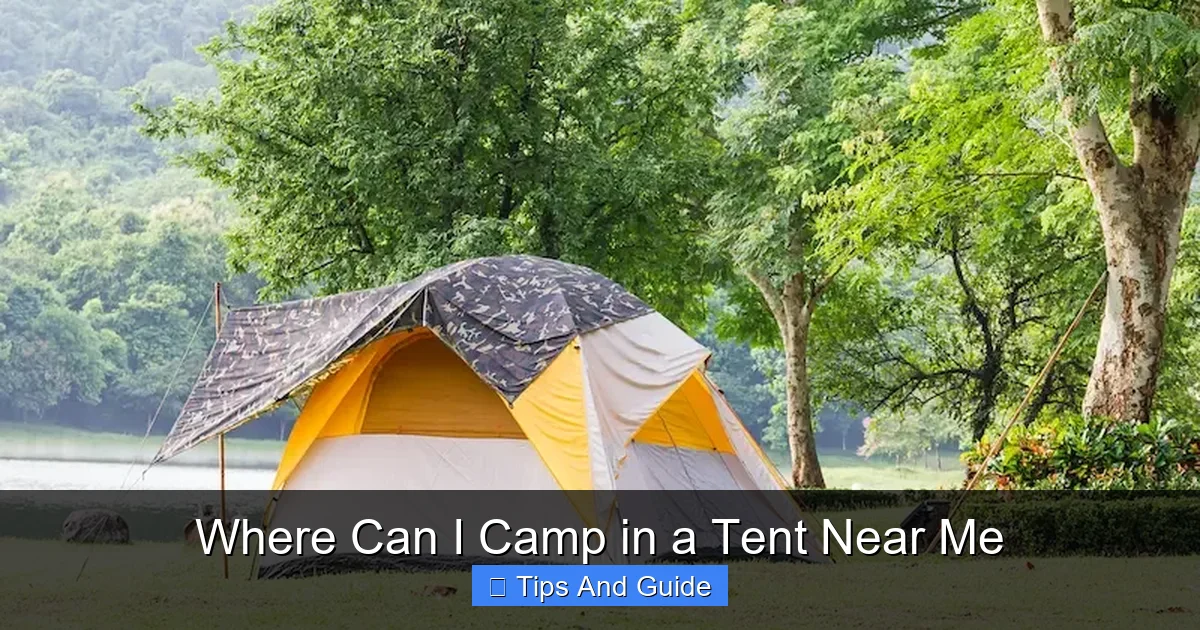
Looking for the best places to camp in a tent near you? Whether you’re a beginner or seasoned camper, this guide covers national parks, state forests, free dispersed camping, and more—plus tips to help you find safe, legal, and scenic spots close to home.
Key Takeaways
- National and state parks offer designated campsites: These are safe, well-maintained, and often include amenities like restrooms and fire pits.
- Dispersed camping is free in many public lands: Found in national forests and BLM lands, it’s ideal for solitude but requires self-sufficiency.
- Use apps and websites to find nearby campsites: Tools like The Dyrt, Recreation.gov, and iOverlander help locate tent-friendly spots.
- Always check local regulations: Some areas require permits, have fire bans, or restrict camping to certain zones.
- Consider private campgrounds for convenience: They often offer showers, Wi-Fi, and family-friendly activities.
- Leave No Trace principles protect natural spaces: Pack out trash, minimize campfire impact, and respect wildlife.
- Weekday camping means fewer crowds: You’ll enjoy quieter sites and better availability, even at popular locations.
📑 Table of Contents
- Where Can I Camp in a Tent Near Me? A Complete Guide
- National and State Parks: Reliable and Scenic Options
- Dispersed Camping: Free and Off the Beaten Path
- Private Campgrounds: Comfort and Convenience
- Using Technology to Find Tent Campsites Near You
- Tips for Safe and Responsible Tent Camping
- Conclusion: Your Next Adventure Is Closer Than You Think
Where Can I Camp in a Tent Near Me? A Complete Guide
So you’ve got your tent, sleeping bag, and a craving for fresh air—now what? Finding the perfect spot to camp in a tent near you doesn’t have to be overwhelming. Whether you’re dreaming of mountain views, lakeside sunsets, or quiet forest clearings, there are plenty of options within driving distance. The key is knowing where to look and what to expect.
Camping is more accessible than ever, thanks to a mix of public lands, private campgrounds, and digital tools that help you discover hidden gems. But with so many choices, it’s easy to feel lost. Are you allowed to camp there? Is it safe? Will there be a bathroom? This guide will walk you through the best places to pitch your tent—no matter where you live—and how to find them quickly and legally.
National and State Parks: Reliable and Scenic Options
One of the most popular and reliable places to camp in a tent near you is within national and state parks. These parks are specifically designed for outdoor recreation and often feature well-maintained campsites with amenities like picnic tables, fire rings, restrooms, and sometimes even showers.
Why Choose National Parks?
National parks like Yosemite, Great Smoky Mountains, or Acadia offer stunning landscapes and organized campgrounds. While they can get crowded, especially on weekends, many have reservation systems that let you book months in advance. For example, Yosemite’s Upper Pines campground fills up fast, so planning ahead is essential.
State Parks: Closer to Home
If you’re looking for something closer, state parks are a fantastic alternative. They’re often less crowded and just as beautiful. Think of places like Custer State Park in South Dakota or Letchworth State Park in New York—both offer scenic tent sites with easy access to hiking trails and wildlife.
Pro tip: Check your state’s Department of Natural Resources or Parks website. Most list all campgrounds, availability, and reservation options online.
Dispersed Camping: Free and Off the Beaten Path
If you crave solitude and don’t mind roughing it, dispersed camping might be your ideal choice. This means camping outside of designated campgrounds, usually on public lands managed by the U.S. Forest Service or Bureau of Land Management (BLM).
What Is Dispersed Camping?
Dispersed camping is free and doesn’t require reservations. You can set up your tent almost anywhere on public land, as long as it’s not in a restricted area or private property. It’s common in national forests like the Pisgah National Forest in North Carolina or the Gifford Pinchot National Forest in Washington.
Rules to Follow
While it’s free, dispersed camping comes with responsibilities. You must follow Leave No Trace principles: pack out all trash, bury human waste at least 6 inches deep and 200 feet from water, and avoid damaging trees or vegetation. Also, some areas have fire restrictions, so always check local rules before lighting a campfire.
Finding Dispersed Sites
Use apps like iOverlander or FreeRoam to locate dispersed camping areas. These tools show user-reported spots with photos, reviews, and GPS coordinates. For example, iOverlander lists thousands of free sites across the U.S., from desert flats in Utah to pine groves in Oregon.
Private Campgrounds: Comfort and Convenience
Sometimes, you want a little more comfort—like a hot shower, a camp store, or even Wi-Fi. That’s where private campgrounds come in. These are independently owned and often located near popular tourist destinations.
Amenities You Can Expect
Private campgrounds vary widely, but many offer full hookups (water, electric, sewer), laundry facilities, playgrounds, and organized activities like movie nights or guided hikes. KOA (Kampgrounds of America) is a well-known chain with locations across the country, offering everything from basic tent sites to luxury cabins.
Cost and Reservations
While private campgrounds aren’t free, they’re usually affordable—ranging from $25 to $60 per night. Reservations are recommended, especially during peak season. Websites like ReserveAmerica or The Dyrt let you search, compare, and book private sites with photos and real guest reviews.
Family-Friendly Options
If you’re camping with kids, private campgrounds often have the best facilities. Look for places with swimming pools, mini-golf, or nature programs. For example, Jellystone Park has themed weekends and activities that keep children entertained while parents relax.
Using Technology to Find Tent Campsites Near You
Gone are the days of flipping through paper maps or relying on word of mouth. Today, a few smart apps and websites can help you find the perfect tent camping spot in minutes.
Top Apps and Websites
- The Dyrt: One of the most popular camping apps, with over 1 million campsite reviews. You can filter by tent-only sites, amenities, and pet-friendliness.
- Recreation.gov: The official site for booking federal campgrounds, including national parks and forests. It’s essential for reserving spots in popular areas.
- iOverlander: Great for off-grid and dispersed camping. Users share GPS coordinates and photos of free sites.
- Google Maps: Search “campgrounds near me” and filter by “tent camping.” Read reviews and check photos to get a feel for the site.
Tips for Using These Tools
Always read recent reviews—conditions can change. Look for comments about noise levels, bug populations, and water availability. And don’t forget to download offline maps, especially if you’re heading into areas with poor cell service.
Tips for Safe and Responsible Tent Camping
No matter where you choose to camp, safety and responsibility should always come first. A little preparation goes a long way in ensuring a fun and eco-friendly trip.
Check the Weather and Terrain
Before you go, check the forecast and research the area. Avoid camping in flood-prone zones or under dead trees (widowmakers). If rain is expected, choose a site with good drainage and bring a tarp to protect your tent.
Know the Local Wildlife
In bear country, use bear-proof containers or hang your food properly. In tick-prone areas, wear long sleeves and do regular checks. Always store food away from your sleeping area to avoid attracting animals.
Practice Leave No Trace
This means packing out all trash, minimizing campfire impact, and staying on designated trails. Even biodegradable items like fruit peels should be packed out—they can harm local ecosystems.
Tell Someone Your Plans
Let a friend or family member know where you’re going and when you plan to return. Carry a map, compass, or GPS device, and consider a personal locator beacon (PLB) for remote trips.
Conclusion: Your Next Adventure Is Closer Than You Think
Finding a place to camp in a tent near you doesn’t require a cross-country road trip. With a mix of public lands, private campgrounds, and helpful digital tools, there’s likely a great spot just a few hours from home. Whether you prefer the solitude of dispersed camping or the comfort of a full-service campground, the outdoors is waiting.
Start by exploring your local state parks or national forests. Use apps to discover hidden gems, and always follow local rules to protect the environment. Remember, the best campsite isn’t just about the view—it’s about the experience. So pack your gear, unplug, and reconnect with nature. Your next great adventure might be closer than you think.
Frequently Asked Questions
Can I camp anywhere on public land?
No, you can’t camp just anywhere. While dispersed camping is allowed on many public lands, it’s restricted in certain areas like national parks, private property, or protected habitats. Always check local regulations before setting up your tent.
Do I need a permit to camp in a national forest?
It depends. Most dispersed camping in national forests doesn’t require a permit, but some areas—especially near popular trails or during fire season—may require one. Check with the local ranger district for current rules.
What’s the difference between a campground and dispersed camping?
Campgrounds have designated sites with amenities like restrooms and fire pits. Dispersed camping means setting up your tent in undeveloped areas, usually for free, with no facilities. It’s more rustic and requires self-sufficiency.
Are there free places to camp near me?
Yes! Many BLM lands and national forests offer free dispersed camping. Use apps like iOverlander or FreeRoam to find user-reported free sites near your location.
Can I camp in my backyard?
In most cases, yes—especially if you own the property. However, some cities or homeowners’ associations have rules against overnight camping. Check local ordinances to be safe.
What should I do if I can’t find a campsite?
Try camping on a weekday, when sites are less crowded. You can also look for last-minute cancellations on reservation sites or consider a nearby state park or private campground as a backup.
