

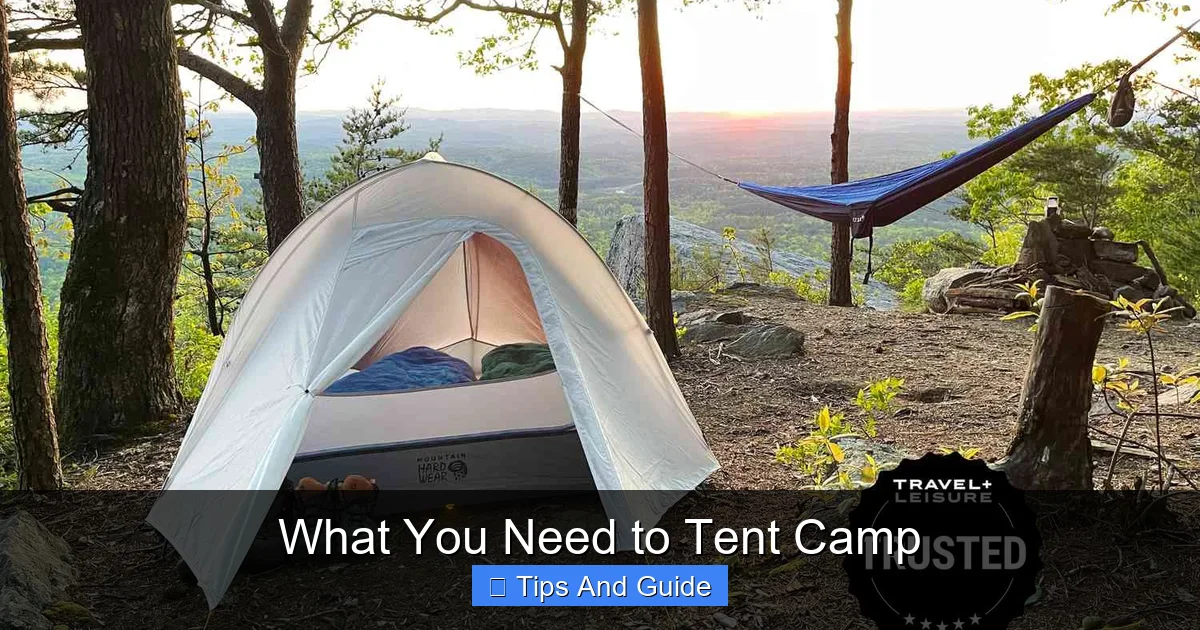
Tent camping is an affordable and rewarding way to connect with nature, but it requires the right gear and preparation. This guide covers everything you need—from shelter and sleeping essentials to cooking tools and safety items—so you can camp confidently and enjoy every moment under the stars.
So, you’ve decided to give tent camping a try. Maybe you’re dreaming of waking up to birdsong, sipping coffee by a quiet lake, or stargazing from your sleeping bag. Whatever your reason, tent camping is one of the most accessible and rewarding ways to experience the outdoors. But before you head out, it’s important to know what you need to tent camp safely and comfortably.
Unlike cabin stays or RVs, tent camping puts you right in the heart of nature—no walls, no electricity, just you and the elements. That freedom is thrilling, but it also means you’re responsible for bringing everything you’ll need. The good news? You don’t need to break the bank or carry a mountain of gear. With the right essentials, even first-timers can have a smooth and enjoyable trip.
In this guide, we’ll walk you through every category of gear and preparation, from shelter and sleep systems to cooking, safety, and comfort. Whether you’re planning a weekend getaway or a multi-day adventure, this checklist will help you pack smart and camp confidently.
Key Takeaways
- Choose the right tent: Pick a weather-appropriate, properly sized tent with a rainfly and sturdy poles.
- Sleep comfortably: Bring a sleeping bag rated for the season, a sleeping pad, and a pillow for insulation and support.
- Pack essential cooking gear: Include a portable stove, fuel, lightweight cookware, and utensils for simple meals.
- Stay safe and visible: Carry a first aid kit, headlamp, fire starter, and emergency whistle.
- Dress in layers: Wear moisture-wicking base layers, insulating mid-layers, and a waterproof outer shell.
- Don’t forget the extras: Bring a tarp, camp chair, trash bags, and a reliable way to purify water.
- Practice Leave No Trace: Pack out all trash, minimize campfire impact, and respect wildlife.
📑 Table of Contents
1. Shelter: Your Home Away from Home
Your tent is the most important piece of gear you’ll bring. It protects you from wind, rain, insects, and cold—so choosing the right one is crucial.
Choosing the Right Tent
Start by considering the season and weather. A 3-season tent works for spring, summer, and fall, while a 4-season tent is built for harsh winter conditions. Look for a tent that’s rated for the number of people who’ll be sleeping in it—don’t go smaller than needed. A 2-person tent is cozy for two, but if you’re camping solo, a 1-person tent saves weight and space.
Key features to look for include a full-coverage rainfly, strong poles (aluminum is lighter and more durable than fiberglass), and vestibules for storing gear outside the sleeping area. Brands like REI, Coleman, and MSR offer reliable options for beginners. If you’re unsure, check out our guide on the best way to set up a camp tent for step-by-step tips.
Tent Accessories
Don’t forget the extras: a ground tarp to protect the tent floor, stakes (bring extras—they get lost!), and a mallet for hard ground. A footprint—a custom-sized tarp that matches your tent floor—is also a smart investment to extend your tent’s life.
2. Sleep System: Rest Easy Under the Stars
A good night’s sleep makes all the difference on a camping trip. Cold ground, uneven terrain, and unfamiliar sounds can disrupt rest—unless you come prepared.
Sleeping Bag
Choose a sleeping bag rated for the lowest temperature you expect. A 20°F bag is great for summer, but if you’re camping in early spring or late fall, go for 0°F or lower. Down bags are lightweight and compressible but lose insulation when wet. Synthetic bags are bulkier but perform better in damp conditions.
Sleeping Pad
Never skip the sleeping pad. It insulates you from the cold ground and adds cushioning. Foam pads are cheap and durable, while inflatable pads offer more comfort and pack smaller. Look for an R-value of at least 2.0 for three-season camping—higher for winter trips. For tips on staying warm, read our article on the best way to stay warm in a tent.
Pillow and Liner
A small camping pillow or a stuff sack filled with clothes can do the trick. For extra warmth and cleanliness, add a sleeping bag liner. It adds a few degrees of insulation and keeps your bag cleaner longer.
3. Cooking and Food: Fuel for Adventure
You don’t need a full kitchen to eat well while camping. With a few key items, you can cook delicious, energizing meals.
Portable Stove
A compact backpacking stove or a small propane camp stove is ideal. Jetboil systems are great for boiling water quickly, while two-burner stoves let you cook multiple items at once. Always bring extra fuel—better safe than sorry.
Cookware and Utensils
A lightweight pot, a skillet, and a mug or bowl are usually enough. Titanium and aluminum gear saves weight. Don’t forget a spatula, spoon, and a small knife. For cleanup, pack biodegradable soap, a sponge, and a collapsible sink.
Food and Storage
Plan simple meals: oatmeal for breakfast, sandwiches or wraps for lunch, and dehydrated dinners or pasta for dinner. Store food in airtight containers or bear-proof canisters if required. Never keep food in your tent—animals have an incredible sense of smell.
4. Lighting and Power: See After Dark
Once the sun goes down, you’ll need light to move around, cook, and relax.
Headlamp
A headlamp is a must. It keeps your hands free for setting up camp or reading. Look for one with adjustable brightness and red-light mode to preserve night vision. Bring extra batteries or choose a rechargeable model.
Lanterns and Flashlights
A small LED lantern creates ambient light inside the tent or at the campsite. String lights or clip-on lanterns add a cozy touch. A backup flashlight is always smart—especially for emergencies.
Power Solutions
If you need to charge your phone or GPS, bring a portable power bank. Solar chargers work well in sunny areas, but they’re slower. For longer trips, consider a lightweight solar panel. If you’re camping without electricity, check out our guide on how to tent camp without electricity for more tips.
5. Clothing and Footwear: Dress for Success
What you wear matters—especially when the weather changes fast.
Layering System
Use the three-layer system: base, mid, and outer. Start with a moisture-wicking base layer (avoid cotton—it stays wet and makes you cold). Add an insulating mid-layer like fleece or down. Top it off with a waterproof, breathable shell jacket.
Footwear
Wear broken-in hiking boots for trails and support. Bring camp shoes—like lightweight sandals or sneakers—for relaxing at the site. Always pack extra socks. Wet feet lead to blisters and discomfort.
Extras
Don’t forget a hat, gloves, and sunglasses. A bandana or buff can serve as a towel, sun protection, or emergency bandage. In cold weather, layer up with thermal underwear and a warm beanie. For winter camping tips, see our guide on how to tent camp in winter.
6. Safety and Essentials: Be Prepared
Nature is beautiful, but it can be unpredictable. A few safety items can prevent small issues from becoming big problems.
First Aid Kit
Pack a basic kit with bandages, antiseptic wipes, tweezers, pain relievers, and any personal medications. Add blister treatment and allergy meds if needed. Know how to use everything in it.
Navigation and Communication
Bring a map and compass—even if you’re using GPS. Batteries die, and signals drop. A whistle can signal for help if you’re lost. A personal locator beacon (PLB) is a smart investment for remote trips.
Fire and Tools
Pack waterproof matches, a lighter, and fire starters. A small multi-tool or pocket knife is useful for repairs, food prep, and emergencies. Always follow local fire regulations.
Water and Hydration
Bring enough water for drinking, cooking, and cleaning. Use a hydration bladder or water bottles. Always purify natural water with a filter, purification tablets, or a UV sterilizer. Never drink untreated water.
7. Comfort and Extras: Make It Feel Like Home
Small comforts can make a big difference in your camping experience.
Camp Furniture
A lightweight camp chair or stool lets you relax outside your tent. A small table is handy for cooking or playing cards. Inflatable loungers are great for lakeside lounging.
Entertainment
Bring a book, cards, or a journal. Stargazing apps can help you identify constellations. Just remember to unplug and enjoy the silence too.
Hygiene
Pack biodegradable soap, a quick-dry towel, toothbrush, and toilet paper. Use a trowel to dig a cathole 6–8 inches deep for waste, at least 200 feet from water sources. Pack out toilet paper or use natural alternatives like leaves (where permitted).
Leave No Trace
Respect nature by following Leave No Trace principles: pack out all trash, minimize campfire impact, and leave plants and rocks as you found them. Camp on durable surfaces and avoid disturbing wildlife.
Tent camping doesn’t have to be complicated. With the right gear and a little planning, you can enjoy a safe, comfortable, and memorable outdoor adventure. Start with the basics, learn as you go, and soon you’ll be pitching your tent like a pro.
Frequently Asked Questions
What’s the most important thing to bring when tent camping?
The most important item is a reliable, weather-appropriate tent. It protects you from the elements and serves as your base for the entire trip. Pair it with a good sleeping bag and pad for comfort.
Do I need a tarp under my tent?
Yes, a tarp or footprint under your tent protects the floor from rocks, roots, and moisture. Just make sure it’s smaller than the tent floor to prevent water from pooling underneath.
Can I camp in a tent without electricity?
Absolutely. Many campgrounds are primitive with no hookups. Bring a power bank, headlamp, and stove to stay comfortable. It’s a great way to unplug and enjoy nature.
How do I stay warm while tent camping?
Use a sleeping bag rated for the temperature, add a sleeping pad for insulation, and wear warm base layers. A hot water bottle in your sleeping bag can also help.
What should I do if it rains while camping?
Set up your tent on high ground, use a rainfly, and keep gear in waterproof bags. Bring a tarp to create a dry area outside the tent. Stay positive—rainy days can be cozy with hot drinks and good books.
Can I bring my dog tent camping?
Yes, many campgrounds welcome dogs. Bring a leash, food, water, and a dog bed or pad. Check local rules and keep your pet under control to protect wildlife and other campers.
