What You Need to Go Tent Camping
Going tent camping is easier when you know what to bring. This guide breaks down the must-have gear, clothing, food, and safety items you’ll need for a safe, comfortable outdoor adventure. Whether you’re a beginner or seasoned camper, these tips will help you pack smart and enjoy every moment under the stars.
Key Takeaways
- Tent and shelter gear are essential: Choose a weather-appropriate tent, a sturdy tarp, and a reliable sleeping system for comfort and protection.
- Pack smart clothing layers: Bring moisture-wicking base layers, insulating mid-layers, and waterproof outerwear to adapt to changing conditions.
- Food and cooking supplies matter: Use a portable stove, lightweight cookware, and easy-to-prepare meals to save time and energy.
- Lighting and power keep you safe: Headlamps, lanterns, and portable chargers ensure visibility and connectivity after dark.
- Don’t forget hygiene and safety items: Include a first-aid kit, hand sanitizer, and proper food storage to stay healthy and secure.
- Plan for weather extremes: Learn how to stay warm or cool in your tent depending on the season and location.
- Practice Leave No Trace principles: Pack out all trash, minimize campfire impact, and respect nature for a sustainable trip.
📑 Table of Contents
What You Need to Go Tent Camping: A Complete Guide
So, you’ve decided to go tent camping—awesome choice! There’s nothing quite like unplugging from the daily grind, breathing in fresh air, and falling asleep to the sound of crickets. But before you head out, it’s important to know exactly what you need to go tent camping so you’re prepared, comfortable, and safe.
Tent camping doesn’t have to be complicated. With the right gear and a little planning, your outdoor adventure can be smooth, fun, and memorable. Whether you’re heading to a national park, a forest campsite, or a lakeside retreat, this guide will walk you through every essential item and smart tip to make your trip a success.
Let’s dive into the must-haves, from shelter and sleep systems to food, clothing, and safety gear. By the end, you’ll feel confident packing your backpack or car for a weekend—or even a week—in the wild.
1. Shelter and Sleep Essentials
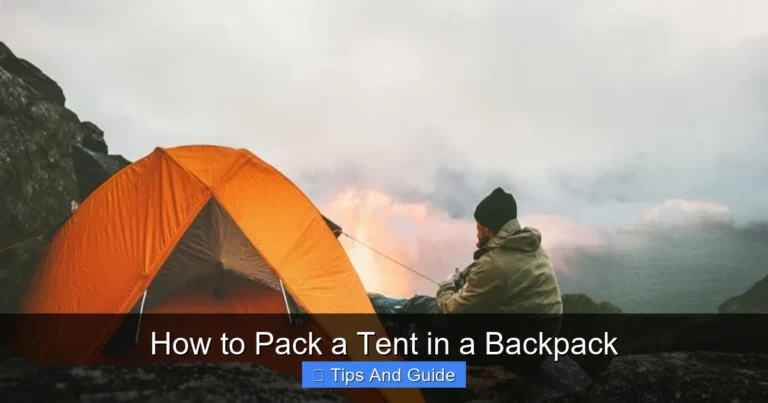
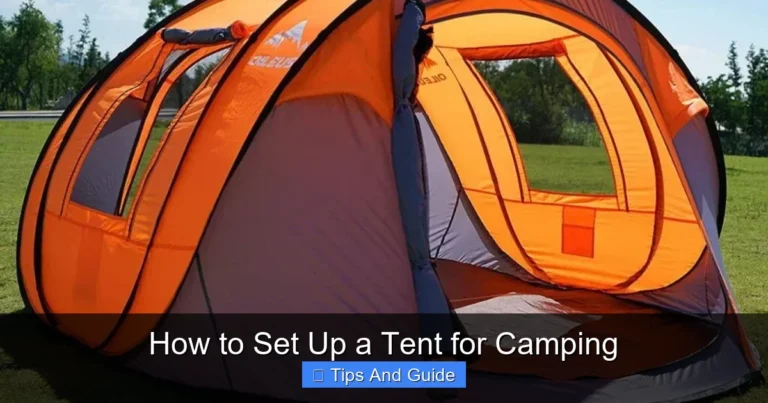
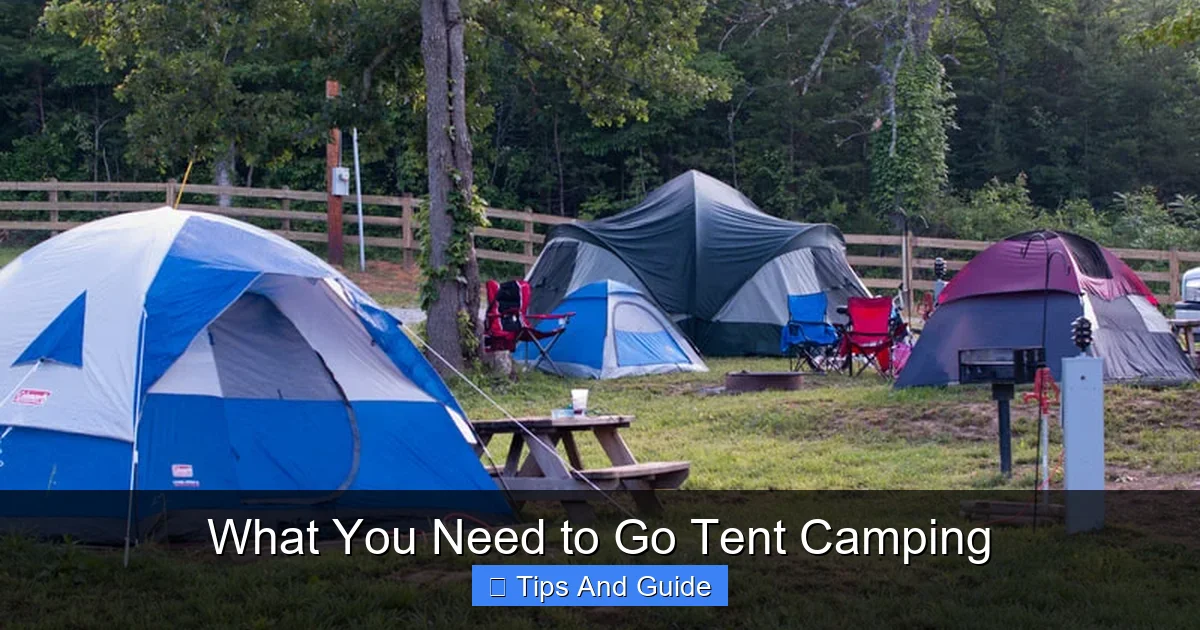
Your tent is your home away from home, so choosing the right one is crucial. Look for a tent that matches the number of people in your group—ideally, go one size up for extra space. For example, a 3-person tent works well for two campers who want room for gear.
Make sure your tent is weather-appropriate. If you’re camping in rainy or windy conditions, pick a model with a full-coverage rainfly and strong poles. Don’t forget a groundsheet or tarp to lay under your tent—this protects the floor from moisture and sharp objects.
Once your shelter is set, focus on sleep. A good night’s rest starts with a quality sleeping bag rated for the expected temperature. Pair it with a sleeping pad or inflatable mattress for insulation and comfort. For extra warmth, consider a fleece liner. If you’re camping in cold weather, check out our guide on the best way to stay warm tent camping for pro tips.
Pro Tip: Test Before You Go
Always practice setting up your tent at home. This helps you spot missing parts and saves time at the campsite. It also gives you confidence in bad weather.
2. Clothing and Layering
What you wear can make or break your camping experience. The key is layering—dressing in removable layers lets you adapt to changing temperatures throughout the day.
Start with a moisture-wicking base layer, like synthetic or merino wool. Avoid cotton, which stays wet and can lead to chills. Add an insulating mid-layer, such as a fleece or down jacket, to trap body heat. Finally, top it off with a waterproof and windproof outer shell.
Don’t forget essentials like a warm hat, gloves, and extra socks. Even in summer, nights can get chilly. If you’re camping in warmer months, learn how to manage heat with our guide on the best way to stay cool tent camping.
Footwear Matters
Bring sturdy hiking boots for trails and camp shoes—like sandals or lightweight sneakers—for relaxing at the site. Dry feet are happy feet.
3. Cooking and Food Supplies
Eating well while camping doesn’t require gourmet skills—just smart planning. A portable camping stove is a game-changer. Look for one that’s lightweight, fuel-efficient, and easy to use. Propane or butane stoves work well for most trips.
Pack lightweight cookware: a pot, pan, and utensils. Don’t forget a spatula, can opener, and biodegradable soap for cleaning. For meals, choose non-perishable, easy-to-cook options like oatmeal, pasta, dehydrated soups, and canned beans. Pre-portion ingredients at home to save time.
Store food safely to avoid attracting wildlife. Use bear-proof containers or hang food in a bear bag away from your tent. For detailed advice, read our article on how to store food when tent camping.
Water and Hydration
Always bring enough water or a way to purify it. A portable filter, purification tablets, or a UV sterilizer can make natural water sources safe to drink.
4. Lighting and Power
When the sun goes down, good lighting is essential. A headlamp is your best friend—it keeps your hands free for setting up camp or cooking. Choose one with adjustable brightness and a red light mode to preserve night vision.
Add a lantern for ambient light around the campsite. LED models are energy-efficient and long-lasting. For charging phones or GPS devices, bring a portable power bank. Solar chargers are great for multi-day trips, but make sure they’re fully charged before you leave.
Safety First
Keep batteries in a dry bag and bring extras. Avoid using open flames inside the tent—battery-powered lights are much safer.
5. Safety and Hygiene Items
A well-stocked first-aid kit is non-negotiable. Include bandages, antiseptic wipes, tweezers, pain relievers, and any personal medications. Add a small emergency blanket and a whistle for signaling if needed.
Hygiene matters, even in the wild. Pack biodegradable soap, hand sanitizer, toilet paper, and a small trowel for digging catholes (if no restrooms are available). Wet wipes are great for quick cleanups. For longer trips, consider a compact camping shower system—learn more in our guide on how to shower while tent camping.
Leave No Trace
Always pack out what you pack in. Dispose of waste properly and avoid damaging plants or wildlife. Responsible camping ensures nature stays beautiful for everyone.
6. Extras That Make a Big Difference
Beyond the basics, a few extra items can boost comfort and convenience. A camp chair or folding stool makes relaxing much easier. A multi-tool or pocket knife comes in handy for repairs, food prep, or emergencies.
Bring a small tarp or canopy to create shade or shelter from rain. A notebook and pen let you journal or sketch the scenery. And don’t forget entertainment—books, cards, or a portable speaker (used respectfully) can enhance downtime.
If you’re camping with a dog, check out our tips on how to take a dog tent camping to keep your furry friend safe and happy.
Weather Prep
Check the forecast before you go. If rain is expected, make sure your tent is waterproofed. For cold nights, consider a tent heater—but only use safe, vented models. Learn more in our guide on best way to heat a tent while camping.
Final Thoughts: Pack Smart, Camp Happy
Going tent camping is one of the most rewarding ways to connect with nature. But comfort and safety start with preparation. By packing the right gear—from a reliable tent and sleeping system to smart clothing, food, and safety items—you set yourself up for a stress-free adventure.
Remember, it’s not about bringing everything. It’s about bringing the right things. Test your gear, plan your meals, and always respect the environment. With this guide, you now know exactly what you need to go tent camping with confidence.
So grab your backpack, call your friends, and hit the trail. The great outdoors is waiting—and it’s better when you’re ready.
Frequently Asked Questions
What’s the most important item to bring when tent camping?
The most important item is a reliable tent that matches your group size and weather conditions. Without proper shelter, you risk exposure to rain, wind, and insects, which can ruin your trip.
Do I need a sleeping bag if it’s warm outside?
Yes, even in summer, nighttime temperatures can drop. Bring a sleeping bag rated for the lowest expected temperature, and consider a lightweight liner for added comfort.
Can I cook over a campfire instead of using a stove?
You can, but always check local fire regulations first. A portable stove is more reliable and eco-friendly, especially in dry or restricted areas.
How do I keep my tent dry in the rain?
Use a waterproof tarp under your tent and ensure the rainfly is properly secured. Avoid drying wet clothes inside the tent, and keep gear in sealed bags.
What should I do if I encounter wildlife?
Stay calm, make noise, and back away slowly. Never feed animals. Store food securely and follow park guidelines to minimize encounters.
Is it safe to camp alone?
Yes, but take extra precautions. Tell someone your plans, carry a communication device, and choose well-established campsites. Always prioritize safety.