

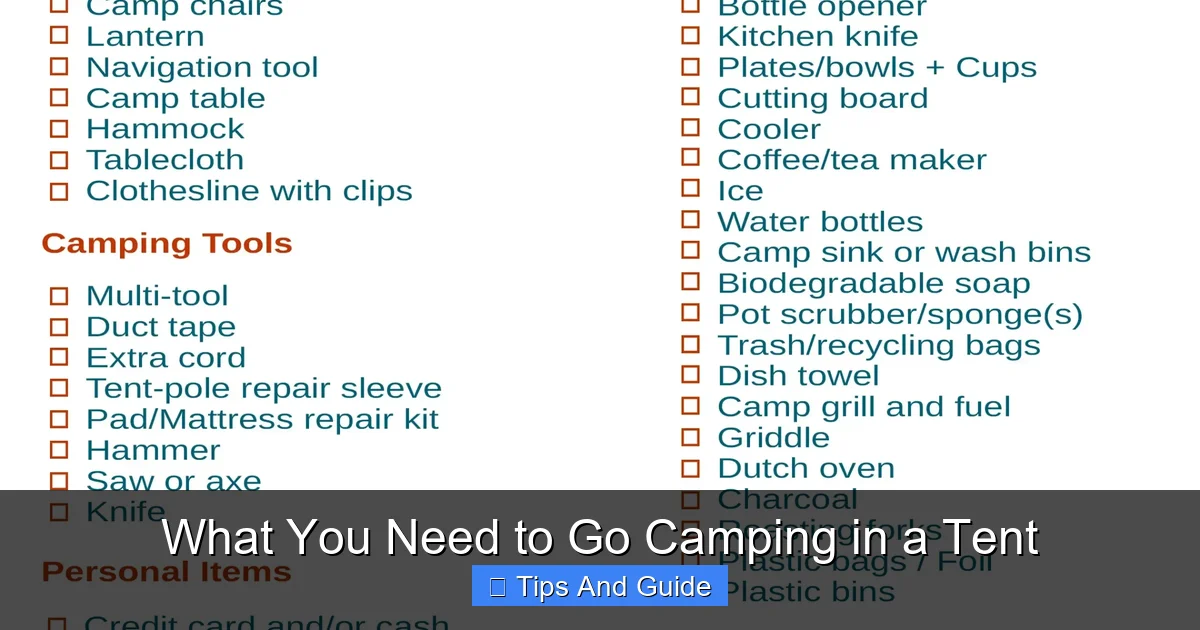
Heading out for a camping trip? Knowing what you need to go camping in a tent is essential for comfort and safety. This guide covers everything from shelter and sleep systems to cooking gear and weather protection, so you’re fully prepared.
Camping in a tent is one of the most rewarding ways to connect with nature. Whether you’re escaping for a weekend or spending a week under the stars, the experience can be magical—but only if you’re prepared. Knowing what you need to go camping in a tent goes beyond just grabbing a tent and heading out. It’s about packing the right gear, dressing appropriately, and planning for comfort and safety.
A successful camping trip starts with the basics: shelter, sleep, food, and safety. But even seasoned campers can forget a crucial item that turns a peaceful night into a miserable one. That’s why having a checklist and understanding each piece of gear’s purpose is so important. This guide will walk you through every essential item you’ll need, explain why it matters, and offer practical tips to make your adventure smooth and enjoyable.
Key Takeaways
- Choose the right tent: Match size, weight, and season rating to your trip type and weather conditions.
- Sleep comfortably: Use a sleeping bag, sleeping pad, and pillow for warmth and support.
- Pack smart cooking gear: Bring a portable stove, fuel, utensils, and easy-to-prepare meals.
- Stay safe and visible: Carry a headlamp, first aid kit, and fire starter for emergencies.
- Dress in layers: Wear moisture-wicking base layers and pack rain gear for changing weather.
- Protect your tent: Use a footprint and learn how to waterproof a camping tent for durability.
- Plan for comfort: Include camp chairs, a tarp, and bug spray for a more enjoyable experience.
📑 Table of Contents
1. The Right Tent for Your Adventure
Your tent is your home away from home, so choosing the right one is critical. A good tent protects you from wind, rain, insects, and cold—but only if it’s suited to your needs.
Tent Size and Capacity
When selecting a tent, consider how many people will sleep inside. Tents are labeled by capacity (e.g., 2-person, 4-person), but these numbers can be optimistic. A 2-person tent often fits two people with minimal gear. For extra space, go one size up. If you’re camping with a partner, a 3-person tent offers more breathing room.
Season Rating Matters
Tents come in 3-season and 4-season models. 3-season tents are ideal for spring, summer, and fall—they’re lightweight and ventilated. 4-season tents are built for winter and harsh weather, with stronger poles and less mesh. Most campers will do fine with a 3-season tent unless they’re winter camping.
Weight and Portability
If you’re backpacking, weight is a big factor. Ultralight tents save ounces but may cost more. Car campers can prioritize space and comfort over weight. Always check packed size and ease of setup—especially if you’re new to camping.
Extra Protection: Footprints and Tarps
Place a footprint (a durable ground cloth) under your tent to prevent wear and moisture. Pair it with a tarp overhead for rain protection. This simple step can extend your tent’s life and keep you dry during storms. For tips on keeping your tent in top shape, check out our guide on how to waterproof a camping tent.
2. Sleep System: Stay Warm and Comfortable
A good night’s sleep is key to enjoying your trip. Without the right sleep system, you’ll be shivering—or sweating—all night.
Sleeping Bag: Match It to the Weather
Your sleeping bag should match the expected temperatures. Look for the temperature rating (e.g., 20°F for cold nights). Down bags are lightweight and warm but lose insulation when wet. Synthetic bags are heavier but perform better in damp conditions.
Sleeping Pad: Insulation from Below
Even with a warm bag, cold ground can steal body heat. A sleeping pad provides insulation and cushioning. Foam pads are cheap and durable; inflatable pads offer more comfort but can puncture. For maximum warmth, especially in winter, consider a double-layer system.
Pillow and Liner
Don’t forget a small camping pillow or use a stuff sack filled with clothes. A sleeping bag liner adds warmth and keeps your bag clean. It’s a small item that makes a big difference in comfort.
For more tips on staying cozy, read our article on the best way to sleep comfortably in a tent.
3. Cooking and Food Essentials
You don’t need a full kitchen, but having the right tools makes meals easy and enjoyable.
Portable Stove and Fuel
A backpacking stove is compact and efficient. Canister stoves are simple; liquid fuel stoves work better in cold weather. Always pack extra fuel—better safe than sorry.
Cookware and Utensils
Bring a lightweight pot, a spork, and a mug. Many campers use a single pot for boiling water, cooking meals, and washing up. Collapsible silicone bowls save space.
Food and Storage
Plan meals ahead. Dehydrated meals are lightweight and quick. Bring snacks like nuts, granola bars, and fruit. Store food in a bear-proof container or hang it from a tree if required. Never keep food in your tent—it attracts animals.
Water and Filtration
Always carry enough water or a way to purify it. A water filter or purification tablets let you refill from streams. A collapsible water bottle or reservoir is handy for transport.
4. Clothing and Personal Items
What you wear matters—especially when temperatures drop at night.
Dress in Layers
Use the layering system: a moisture-wicking base layer, an insulating mid-layer (like fleece), and a waterproof outer shell. Avoid cotton—it stays wet and makes you cold.
Rain Gear and Footwear
A lightweight rain jacket and pants are essential. Even in summer, mountain weather can change fast. Wear sturdy hiking boots and pack camp shoes (like sandals) for relaxing at the site.
Personal Care and Hygiene
Bring biodegradable soap, a toothbrush, toilet paper, and a small trowel for digging catholes. Hand sanitizer and wet wipes are lifesavers when water is scarce.
5. Lighting and Safety Gear
Don’t get caught in the dark—or unprepared for emergencies.
Headlamp and Extra Batteries
A headlamp keeps your hands free for setting up camp or cooking. Bring spare batteries or a rechargeable model with a power bank.
First Aid Kit
Pack a basic kit with bandages, antiseptic, pain relievers, and any personal medications. Include tweezers for ticks and a small guide for wilderness first aid.
Fire Starters and Navigation
Waterproof matches, a lighter, or a fire starter help you cook and stay warm. Carry a map and compass—even if you use GPS, electronics can fail.
6. Comfort and Extras
Small luxuries can make camping feel more like glamping.
Camp Chairs and Tables
A lightweight camp chair is worth its weight in gold. Pair it with a small table for meals or games. Many campgrounds have picnic tables, but it’s nice to have your own.
Bug Spray and Sun Protection
Mosquitoes and ticks are no joke. Use EPA-approved repellent and wear long sleeves at dawn and dusk. Don’t forget sunscreen and a hat.
Entertainment and Power
Bring a book, cards, or a journal. A portable power bank keeps your phone charged for photos or emergencies—just don’t rely on it for navigation.
Staying Cool or Warm: Seasonal Tips
Weather can make or break your trip. Be ready for heat or cold.
Hot Weather Camping
In summer, choose a tent with lots of mesh for airflow. Sleep with the rainfly off if it’s dry. Use a battery-powered fan or cooling towel. For more ideas, see our guide on how to stay cool while camping in a tent.
Cold Weather Camping
In winter, use a 4-season tent and a sleeping bag rated for low temperatures. Wear warm clothes to bed and use a hot water bottle. Learn more in our article on how to stay warm while camping in a tent.
Final Tips for a Great Trip
Test your gear at home before you go. Practice setting up your tent. Check the weather forecast and park regulations. Leave no trace: pack out all trash and respect wildlife.
Camping is about simplicity, but being prepared lets you enjoy it fully. With the right gear and mindset, your tent becomes a cozy retreat in the wild.
Frequently Asked Questions
What is the most important item when camping in a tent?
The tent itself is the most important item—it provides shelter and protection. However, a good sleep system (bag and pad) is just as critical for comfort and warmth.
Can I use a regular blanket instead of a sleeping bag?
You can, but it’s not recommended. Sleeping bags are designed to trap heat efficiently. Blankets don’t seal in warmth and can shift during the night, leaving you cold.
Do I need a tent footprint?
Yes, a footprint protects the tent floor from rocks, moisture, and wear. It’s a small investment that can significantly extend your tent’s lifespan.
How do I keep my tent from getting wet inside?
Ensure the rainfly is properly secured and vents are open to reduce condensation. Never cook or store wet gear inside the tent. Use a tarp overhead for extra protection.
What should I do if it rains while camping?
Stay in your tent and keep gear organized. Use a tarp to create a dry area outside. If your tent leaks, reapply waterproofing spray when you get home. For tips, see our guide on best way to set up a tent in the rain.
Can I camp in a tent in the winter?
Yes, but you’ll need a 4-season tent, a warm sleeping bag, and proper layers. Winter camping requires extra planning for safety and warmth. Learn more in our article on how to winter camp in a tent.
