What to Take When Tent Camping
Planning a tent camping trip? Packing the right gear makes all the difference between a fun adventure and a frustrating experience. From shelter and sleep systems to food storage and weather protection, knowing what to take when tent camping ensures safety, comfort, and peace of mind in the great outdoors.
Key Takeaways
- Tent and shelter essentials: Choose a weather-appropriate tent, footprint, and reliable stakes for stability and protection.
- Sleep system matters: A quality sleeping bag, sleeping pad, and pillow are crucial for restful nights under the stars.
- Cooking and food safety: Pack a portable stove, utensils, and airtight containers—and learn how to store food when tent camping to avoid wildlife encounters.
- Clothing for all conditions: Dress in layers and bring rain gear, even if the forecast looks clear.
- Safety and navigation tools: Always carry a first-aid kit, flashlight, map, and fully charged power bank.
- Personal comfort items: Don’t forget toiletries, camp chairs, and entertainment to make your trip enjoyable.
- Weather-specific prep: Adjust your packing list based on season—check guides on how to stay warm when tent camping or how to stay cool when camping in a tent.
📑 Table of Contents
Introduction: Why Packing Smart Makes All the Difference
Tent camping is one of the most rewarding ways to connect with nature. Whether you’re heading to a national park, a lakeside campsite, or a remote mountain trail, the experience can be magical—but only if you’re prepared. One of the biggest mistakes new campers make is underestimating what to take when tent camping. It’s not just about bringing a tent and a sleeping bag. It’s about thinking ahead, planning for the unexpected, and packing smart.
Imagine this: you arrive at your campsite after a long drive, only to realize you forgot your tent stakes or your stove fuel. Or worse—you’re woken up at 2 a.m. by cold rain because your tent isn’t properly waterproofed. These scenarios are avoidable with a little forethought. The good news? With the right checklist and a few expert tips, you can pack efficiently and confidently, no matter where your adventure takes you.
Shelter and Tent Essentials
Your tent is your home away from home, so it deserves top priority on your packing list. But a tent alone isn’t enough—you need the right accessories to keep it stable, dry, and comfortable.
Choose the Right Tent
Start with a tent that matches your group size and the season. A 3-season tent works for spring, summer, and fall, while a 4-season tent is built for winter camping and harsh weather. Look for features like a full-coverage rainfly, vestibules for gear storage, and good ventilation to reduce condensation.
Don’t Skip the Footprint
A footprint (or groundsheet) goes under your tent to protect the floor from rocks, roots, and moisture. It’s a small investment that can extend the life of your tent significantly. If you don’t have one, a durable tarp cut to size works in a pinch—just make sure it doesn’t extend beyond the tent edges to avoid channeling water underneath.
Stakes, Guylines, and a Mallet
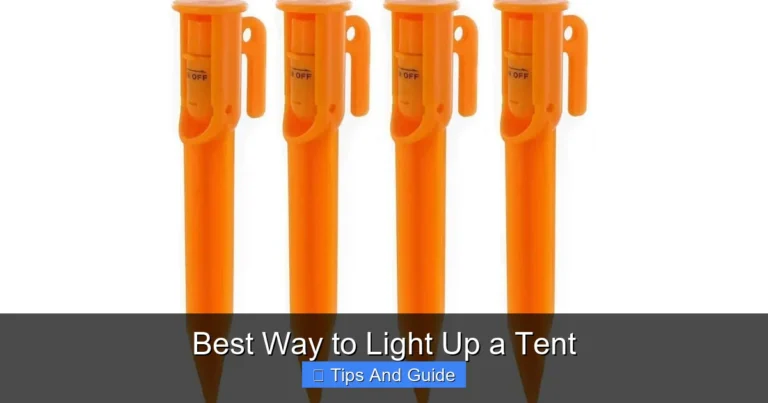
Strong winds can turn a peaceful night into a disaster. Bring extra stakes—preferably metal ones—and guylines to secure your tent. A small rubber mallet makes driving stakes into hard ground much easier. And always practice setting up your tent at home before you go. For detailed steps, check out our guide on how to set up a camping tent.
Sleep System: Comfort Starts Here
A good night’s sleep is essential for enjoying your trip. Cold, damp, or uneven ground can ruin even the most scenic campsite.
Sleeping Bag: Match It to the Season
Your sleeping bag should match the expected nighttime temperatures. Look for the “comfort rating” rather than the “survival rating”—it tells you the lowest temperature at which you’ll stay warm. Down bags are lightweight and compressible but lose insulation when wet. Synthetic bags are bulkier but perform better in damp conditions.
Sleeping Pad for Insulation and Cushioning
A sleeping pad does more than cushion your body—it insulates you from the cold ground. Foam pads are affordable and durable, while inflatable pads offer more comfort but can puncture. For maximum warmth in cold weather, consider a double-layer system: a foam pad underneath an inflatable one. For tips on staying cozy, read our article on the best way to sleep while tent camping.
Pillow and Sleepwear
Don’t forget a small camp pillow or use a stuff sack filled with clothes. Wear breathable, moisture-wicking sleepwear to stay dry and comfortable through the night.
Cooking and Food Supplies
Eating well while camping boosts morale and energy. But cooking in the wild requires planning and the right tools.
Portable Stove and Fuel
A compact camping stove is a game-changer. Propane, butane, or liquid fuel stoves are reliable options. Bring extra fuel—estimate 1 canister per person per day for moderate cooking. Always use stoves outside the tent and on level, non-flammable ground.
Cookware and Utensils
Pack a lightweight pot, pan, spatula, and reusable plates and bowls. A spork or multi-tool utensil saves space. Don’t forget a sponge, biodegradable soap, and a collapsible sink for washing up.
Food Storage and Safety
Keep food secure to protect both you and wildlife. Use airtight containers and store them in a bear-proof canister or hang them from a tree at least 100 feet from your tent. Never keep food inside your sleeping area. For detailed strategies, visit our guide on how to store food when tent camping.
Clothing and Personal Items
What you wear can make or break your trip. The key is layering and versatility.
Dress in Layers
Start with a moisture-wicking base layer, add an insulating mid-layer like fleece, and top it with a waterproof outer shell. This system lets you adjust to changing temperatures throughout the day.
Rain Gear and Extra Socks
Even in summer, rain can roll in unexpectedly. Pack a lightweight rain jacket and pants. And always bring extra socks—wet feet lead to blisters and discomfort. Quick-dry synthetic or wool socks are best.
Personal Care and Toiletries
Bring travel-sized toiletries, hand sanitizer, toilet paper, and a trowel for digging catholes if you’re in a backcountry area. A small mirror, toothbrush, and biodegradable wipes help maintain hygiene. For longer trips, consider a portable shower system—learn more in our article on how to shower while tent camping.
Safety, Navigation, and Extras
Safety should never be an afterthought. A few key items can prevent small issues from becoming emergencies.
First-Aid Kit and Emergency Supplies
A basic first-aid kit should include bandages, antiseptic, pain relievers, tweezers, and any personal medications. Add a whistle, emergency blanket, and fire starter for worst-case scenarios.
Lighting and Power
Headlamps are hands-free and ideal for nighttime tasks. Bring extra batteries or a rechargeable power bank. Solar chargers are great for multi-day trips.
Navigation Tools
Even if you’re using GPS, carry a physical map and compass as backups. Let someone know your itinerary and expected return time.
Entertainment and Comfort
Bring a book, cards, or a small speaker (use responsibly). A camp chair and foldable table make meals and relaxation more enjoyable. For families, consider games or nature scavenger hunts to keep kids engaged.
Weather-Specific Considerations
Your packing list should change with the seasons. What to take when tent camping in July is very different from what you’d bring in December.
Summer Camping
Focus on staying cool. Bring a sun hat, sunscreen, and lightweight, breathable clothing. Use a mesh tent for airflow and consider a battery-powered fan. For tips, read our guide on how to stay cool while tent camping.
Winter Camping
Insulation is key. Use a 4-season tent, a sleeping bag rated for sub-zero temps, and a high-R-value sleeping pad. Hand and foot warmers can be lifesavers. Check out our detailed advice on how to stay warm when tent camping.
Rainy or Windy Conditions
Always pack a rainfly, extra guylines, and a tarp for additional shelter. Practice setting up your tent in wet conditions at home so you’re ready.
Conclusion: Pack Smart, Camp Happy
Knowing what to take when tent camping doesn’t have to be overwhelming. Start with the basics—shelter, sleep, food, and safety—and build from there. Tailor your list to your destination, group size, and season. And remember: it’s better to bring one extra item you don’t use than to be stuck without something essential.
With the right gear and a little preparation, your tent camping trip can be safe, comfortable, and unforgettable. So pack your bags, double-check your list, and get ready to enjoy the beauty of the great outdoors—one campsite at a time.
Frequently Asked Questions
What is the most important thing to bring when tent camping?
The most important item is a reliable, weather-appropriate tent. Without proper shelter, you’re vulnerable to rain, wind, and insects. Pair it with a good sleeping system for comfort and safety.
Can I use a regular sleeping bag for camping?
Regular sleeping bags can work, but camping-specific bags are designed for outdoor conditions. They’re more durable, weather-resistant, and often come with features like draft collars and zipper baffles for better insulation.
Do I really need a sleeping pad?
Yes. A sleeping pad provides crucial insulation from the cold ground and adds comfort. Even in summer, ground temperatures can drop significantly at night, making a pad essential for warmth and rest.
How do I keep my tent dry in the rain?
Use a full-coverage rainfly, ensure your tent is properly staked and tensioned, and avoid touching the inner walls. Store wet gear in vestibules, not inside the main tent area.
What should I do if I forget something important?
Stay calm. Many items can be improvised—use a trash bag as a rain cover, or a bandana as a pot holder. For future trips, keep a master packing list and check it twice before leaving.
Is it safe to cook inside a tent?
No. Cooking inside a tent is extremely dangerous due to fire risk and carbon monoxide buildup. Always cook outside, away from flammable materials, and never leave a flame unattended.