What to Take on a Camping Trip in a Tent
Packing for a tent camping trip doesn’t have to be overwhelming. With the right gear and a smart checklist, you can enjoy a safe, comfortable, and memorable outdoor adventure. This guide covers everything from shelter and sleep systems to food, safety, and weather-specific essentials.
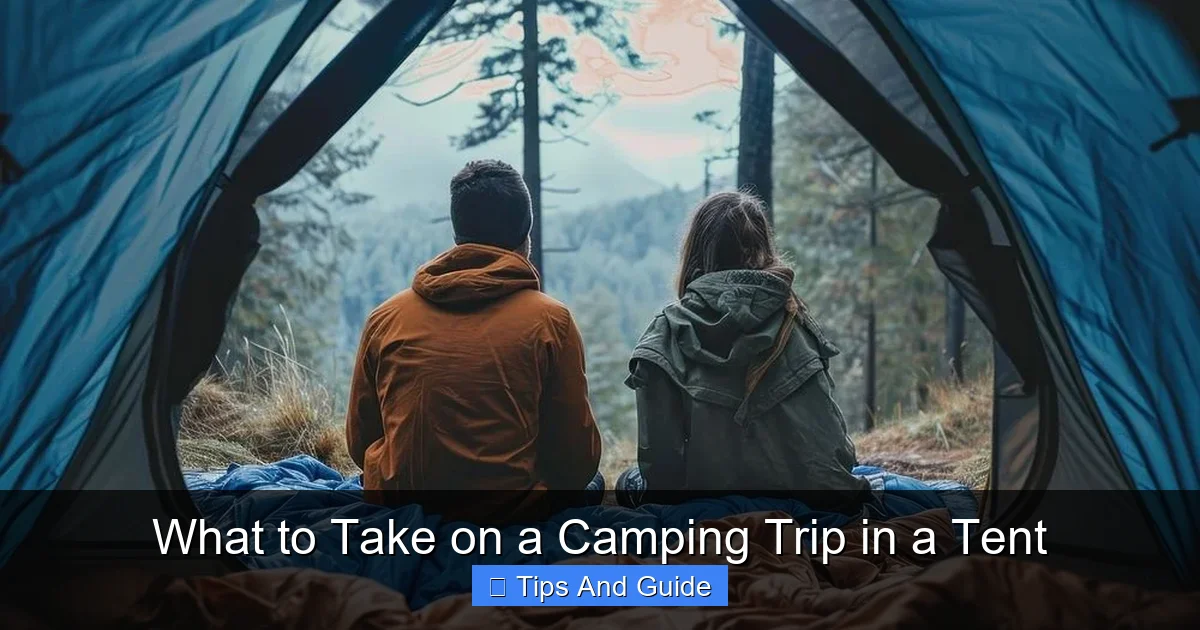
Camping in a tent is one of the most rewarding ways to connect with nature. Whether you’re heading into the mountains, forests, or a lakeside campground, the experience of sleeping under the stars with just a thin layer of fabric between you and the wild is unmatched. But to truly enjoy your adventure, you need to pack smart. Knowing what to take on a camping trip in a tent can mean the difference between a cozy, stress-free escape and a frustrating ordeal.
The good news? You don’t need to overpack. With a little planning, you can bring everything you need without lugging around unnecessary weight. The key is focusing on essentials: shelter, sleep, food, safety, and comfort. In this guide, we’ll walk you through each category, offering practical tips and real-world examples to help you prepare like a pro. Whether you’re a first-time camper or a seasoned outdoor enthusiast, these insights will ensure your next tent camping trip is smooth, safe, and full of fun.
Key Takeaways
- Tent and shelter basics: Choose a weather-appropriate tent, footprint, and reliable stakes for a solid foundation.
- Sleep system essentials: A quality sleeping bag, sleeping pad, and pillow ensure restful nights under the stars.
- Cooking and food gear: Bring a portable stove, utensils, and easy-to-prepare meals to stay fueled.
- Clothing and personal items: Pack layers, rain gear, and moisture-wicking fabrics for changing conditions.
- Safety and navigation tools: Always carry a first aid kit, flashlight, map, and emergency whistle.
- Weather-specific additions: Adjust your packing list for summer heat or winter cold to stay comfortable.
📑 Table of Contents
1. Shelter and Tent Essentials
Your tent is your home away from home, so it’s crucial to choose the right one and support it with the proper gear. Start by selecting a tent that matches your group size and the season. A 3-season tent works well for spring, summer, and fall, while a 4-season tent is built to handle snow and high winds.
Choose the Right Tent
Look for a tent with a full-coverage rainfly, sturdy poles, and good ventilation. For two people, a 2-person tent offers snug comfort, but if you like extra space, consider a 3-person model. Freestanding tents are easier to set up, especially on rocky or uneven ground.
Don’t Forget the Extras
Always bring a tent footprint or ground tarp to place under your tent. This protects the floor from moisture and sharp objects. Use quality tent stakes—preferably aluminum or steel—and bring extras in case some get lost. A small mallet can help drive stakes into hard soil.
Set Up Smart
Practice pitching your tent at home before you go. This saves time and frustration at the campsite. If you’re camping on concrete or hard surfaces, check out our guide on how to set up a camping tent on concrete for helpful tips.
2. Sleep System for Comfortable Nights
A good night’s sleep is essential for enjoying your trip. Even in mild weather, the ground can be cold and uncomfortable without proper insulation.
Sleeping Bag Matters
Choose a sleeping bag rated for the expected temperature. A 20°F (-7°C) bag is great for three-season camping, while colder trips require a winter-rated bag. Down bags are lightweight and compress well, but synthetic bags perform better in damp conditions.
Sleeping Pad for Insulation and Cushion
A sleeping pad does more than cushion your body—it insulates you from the cold ground. Inflatable pads like the Therm-a-Rest are lightweight and comfortable, while foam pads are durable and never pop. For extra warmth in cold weather, consider a double-layer system.
Pillow and Sleep Accessories
Don’t underestimate the value of a good pillow. Compact camping pillows or a small inflatable one can make a big difference. Earplugs and an eye mask help block out noise and light, especially in busy campgrounds. For more tips, read our article on the best way to sleep comfortably in a tent.
3. Cooking and Food Supplies
Eating well while camping boosts energy and morale. With the right setup, you can enjoy hot meals and warm drinks even in the backcountry.
Portable Stove and Fuel
A compact camping stove is a must. Canister stoves are easy to use and great for boiling water or frying. Liquid fuel stoves work better in cold weather. Always carry extra fuel—better safe than sorry.
Cookware and Utensils
Bring a lightweight pot with a lid, a frying pan, and a spork or camping utensil set. Collapsible silicone bowls and mugs save space. Don’t forget a small cutting board and a knife if you’re preparing fresh food.
Food and Storage
Pack non-perishable, easy-to-cook meals like oatmeal, pasta, dehydrated soups, and trail mix. Use airtight containers or resealable bags to keep food fresh and prevent attracting wildlife. A bear canister or bear bag is essential in areas with bears.
Water and Hydration
Bring a water filter or purification tablets to safely drink from natural sources. Carry at least 2 liters of water per person per day. A hydration bladder or collapsible water bottles are convenient for hiking.
4. Clothing and Personal Items
What you wear can make or break your camping experience. The key is layering and choosing the right fabrics.
Dress in Layers
Start with a moisture-wicking base layer, add an insulating mid-layer like fleece, and top it off with a waterproof outer shell. This system lets you adjust to changing temperatures throughout the day.
Footwear and Extras
Wear broken-in hiking boots for trails and bring camp shoes like sandals or lightweight sneakers for relaxing at the site. Always pack extra socks—wet feet lead to blisters and discomfort.
Rain and Sun Protection
A lightweight rain jacket and pants are essential, even in summer. Don’t forget a wide-brimmed hat, sunglasses, and sunscreen. Insect repellent is a must in buggy areas.
Personal Hygiene
Pack biodegradable soap, a quick-dry towel, toothbrush, and toilet paper. Use a trowel to dig a cathole if you’re in the backcountry. Hand sanitizer keeps germs at bay when water isn’t available.
5. Safety and Navigation Tools
Safety should always be a top priority when camping. Being prepared for emergencies ensures peace of mind.
First Aid Kit
Your kit should include bandages, antiseptic wipes, tweezers, pain relievers, and any personal medications. Add blister treatment and allergy meds if needed. Keep it in a waterproof bag.
Lighting and Fire
Bring a headlamp with extra batteries—it’s hands-free and perfect for nighttime tasks. A backup flashlight and waterproof matches or a lighter are also essential. Know the fire regulations at your campsite.
Navigation and Communication
Even if you have GPS, carry a physical map and compass. Cell service is unreliable in remote areas. A whistle can signal for help if you’re lost. Consider a personal locator beacon (PLB) for solo or high-risk trips.
6. Weather-Specific Gear
Your packing list should change based on the season and climate. Here’s how to adjust.
Summer Camping
In hot weather, focus on staying cool. Bring a sun shelter or tarp to create shade. Wear breathable clothing and stay hydrated. Learn how to stay cool while camping in a tent with ventilation tips and cooling gear.
Winter Camping
Cold weather demands extra preparation. Use a four-season tent, a sleeping bag rated for low temperatures, and a high-R-value sleeping pad. Wear thermal layers and consider a hot water bottle for your sleeping bag. For more advice, check out our guide on how to stay warm while camping in a tent.
Rainy Conditions
Always pack a rainfly and seam sealer. Use dry bags to protect electronics and clothes. Set up your tent on high ground to avoid puddles. Practice how to set up a tent in the rain to stay dry from the start.
Camping in a tent is all about balance—bringing enough to be comfortable without overloading yourself. By focusing on the essentials and planning for your environment, you’ll set yourself up for success. Remember, the goal isn’t to bring everything, but to bring the right things. With this guide, you now know exactly what to take on a camping trip in a tent. So pack your bag, double-check your list, and get ready to enjoy the great outdoors—one peaceful night under the stars at a time.
Frequently Asked Questions
What should I pack first when preparing for a tent camping trip?
Start with your shelter and sleep system—tent, sleeping bag, and sleeping pad. These are your top priorities for safety and comfort. Then move on to cooking gear, clothing, and personal items.
Can I use a regular sleeping bag for winter camping?
Only if it’s rated for low temperatures. Regular summer bags won’t keep you warm in freezing conditions. Choose a winter-specific bag with proper insulation and a hood.
Do I really need a tent footprint?
Yes. A footprint protects your tent floor from dirt, moisture, and sharp objects. It also helps prevent leaks and extends the life of your tent.
How do I keep my tent from getting too hot in summer?
Maximize ventilation by opening windows and using the rainfly to create airflow. Set up in the shade when possible and avoid using dark-colored tents that absorb heat.
What’s the best way to store food while camping?
Use airtight containers and store food away from your sleeping area. In bear country, use a bear canister or hang food in a bear bag at least 10 feet off the ground and 4 feet from the trunk.
Can I bring my dog on a tent camping trip?
Absolutely! Dogs love camping too. Just make sure to pack their food, water, leash, and a comfortable sleeping pad. Check out our guide on how to take a dog tent camping for more tips.