What to Take for Tent Camping
Planning a tent camping trip? Knowing what to take for tent camping is key to comfort and safety. This guide covers must-have gear, smart packing tips, and expert advice to help you enjoy the outdoors without missing essentials.
Camping under the stars is one of life’s simple pleasures. Whether you’re escaping to the mountains, forest, or lakeside, a well-planned trip starts with knowing what to take for tent camping. It’s not just about throwing a tent in the car and hoping for the best. A successful outing depends on thoughtful preparation and the right gear.
The good news? You don’t need to be a survival expert to pack smart. With a little know-how, you can enjoy a safe, comfortable, and fun experience—even on your first trip. This guide walks you through every essential category, from shelter and sleep systems to food, clothing, and safety. We’ll also share practical tips to help you avoid common mistakes, like overpacking or forgetting critical items.
Key Takeaways
- Choose the right tent: Match size, season rating, and ease of setup to your trip needs.
- Sleep comfortably: Bring a quality sleeping bag, sleeping pad, and pillow for restful nights.
- Pack smart clothing: Layer with moisture-wicking, insulating, and waterproof options.
- Prepare meals easily: Use portable stoves, lightweight cookware, and non-perishable foods.
- Stay safe and powered: Include a first-aid kit, headlamp, and backup power sources.
- Don’t forget the little things: Tarp, camp chairs, and a multi-tool can make a big difference.
📑 Table of Contents
1. Shelter and Tent Essentials
Your tent is your home away from home. Choosing the right one and packing the right accessories can make or break your trip.
Pick the Right Tent
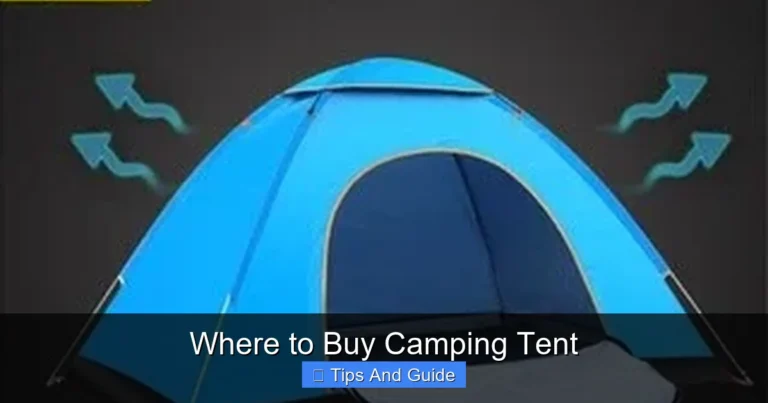
Start by selecting a tent that fits your group size and trip type. A 3-person tent works well for two people, giving you extra space for gear. For family trips, consider a 6-person tent for family camping that offers room to stretch and store supplies.
Look for a tent with a full-coverage rainfly, sturdy poles, and a durable floor. If you’re camping in cold weather, a 3-season or 4-season tent is better than a lightweight summer model. For summer trips, a well-ventilated tent helps keep things cool.
Don’t Forget the Extras
Even the best tent needs support. Always pack a ground tarp to place under your tent. It protects the floor from rocks, moisture, and wear. A footprint—a custom-sized tarp—works even better.
Bring extra stakes and guylines. Windy conditions can loosen your tent, so having backups ensures stability. A repair kit with seam sealer and patch material is also smart for unexpected tears.
Set Up with Confidence
Practice setting up your tent at home before you go. It saves time and stress at the campsite. If you’re new to camping, check out our guide on how to set up a tent for camping for step-by-step instructions.
2. Sleep System: Comfort is Key
A good night’s sleep is crucial when you’re outdoors. Without it, even the most beautiful scenery can’t save a grumpy morning.
Sleeping Bag Matters
Choose a sleeping bag rated for the lowest expected temperature. A 20°F bag is ideal for spring and fall, while a 40°F bag works for summer. Down bags are lightweight and warm but lose insulation when wet. Synthetic bags are heavier but perform better in damp conditions.
Sleeping Pad for Insulation and Comfort
A sleeping pad does more than cushion you—it insulates your body from the cold ground. Foam pads are affordable and durable, while inflatable pads offer better comfort. For extra luxury, consider an air mattress for tent camping that fits inside your tent.
Pillow and Bedding Tips
Don’t skip the pillow. A small camping pillow or a stuff sack filled with clothes works in a pinch. For colder trips, bring a fleece liner to add warmth to your sleeping bag.
If you’re camping in winter, check out our tips on how to insulate a tent for winter camping to stay cozy in freezing temps.
3. Clothing: Dress for Success
What you wear can affect your comfort more than your tent. The key is layering.
Base, Mid, and Outer Layers
Start with a moisture-wicking base layer like merino wool or synthetic fabric. Avoid cotton—it stays wet and makes you cold.
Add an insulating mid-layer, such as a fleece or lightweight down jacket. Top it off with a waterproof and windproof outer shell. This system lets you adjust to changing weather.
Pack Smart
Bring extra socks and underwear—wet feet are a fast way to ruin a trip. Pack a warm hat and gloves, even in summer. Nights can get chilly, especially at higher elevations.
Don’t forget rain gear. A compact rain jacket and pants keep you dry during sudden showers. Quick-dry pants and shirts are great for hiking and lounging.
4. Cooking and Food Supplies
Eating well while camping doesn’t require a full kitchen. With the right tools, you can enjoy hot meals and snacks.
Portable Stove and Fuel
A compact camping stove is a game-changer. Propane or butane stoves are easy to use and reliable. Bring extra fuel canisters—better to have too much than run out.
Cookware and Utensils
A lightweight pot, pan, and spatula are enough for most meals. Add a kettle for coffee or tea. Don’t forget a knife, cutting board, and reusable plates and cups.
Food That Travels Well
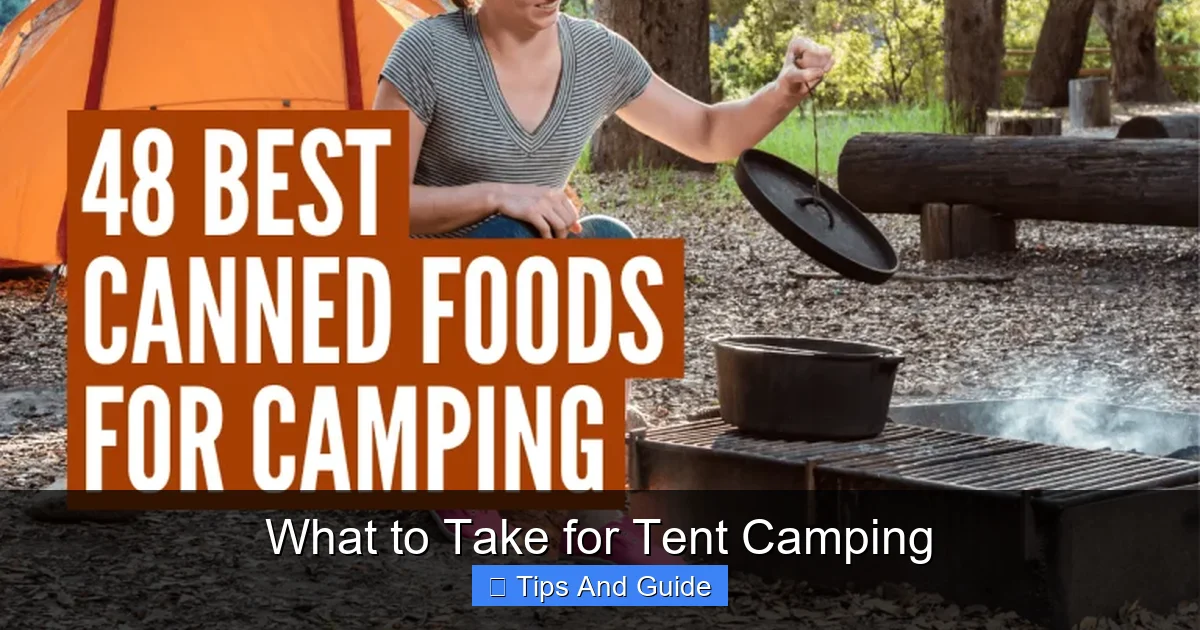
Stick to non-perishable items like pasta, rice, oatmeal, and canned beans. Pre-cook meals at home and reheat them at camp. Snacks like trail mix, granola bars, and jerky are perfect for energy on the go.
Store food in bear-proof containers or hang it in a tree if you’re in bear country. Never leave food in your tent.
5. Lighting, Power, and Safety
When the sun goes down, you’ll need light and a way to stay safe.
Lighting Options
A headlamp is the best choice—it keeps your hands free for setting up camp or cooking. Bring extra batteries or a rechargeable model. String lights or a lantern can add ambiance to your campsite.
Stay Powered
If you need to charge phones or GPS devices, pack a portable power bank. Solar chargers work well in sunny areas but may be slow on cloudy days.
Safety First
A basic first-aid kit should include bandages, antiseptic, pain relievers, and any personal medications. Add a whistle, fire starter, and emergency blanket. Let someone know your plans and expected return time.
6. Extras That Make a Difference
Small items can greatly improve your camping experience.
Camp Chairs and Tables
A foldable camp chair is worth its weight in gold. It gives you a comfortable place to sit, eat, or stargaze. A small camp table helps with food prep and organizing gear.
Multi-Tool and Duct Tape
A multi-tool with pliers, knife, and screwdrivers handles many small repairs. Wrap a few feet of duct tape around a water bottle—it’s handy for quick fixes.
Entertainment and Comfort
Bring a book, cards, or a journal. A lightweight hammock adds relaxation. And don’t forget toiletries: biodegradable soap, toothbrush, and toilet paper stored in a sealed bag.
Conclusion
Knowing what to take for tent camping doesn’t have to be overwhelming. Focus on the basics—shelter, sleep, food, clothing, and safety—and build from there. With the right gear and a little planning, you’ll be ready for a memorable outdoor adventure.
Remember, every trip is a learning experience. Start simple, pack smart, and enjoy the journey. Whether you’re a beginner or a seasoned camper, there’s always something new to discover under the open sky.
Frequently Asked Questions
What should I pack for a first-time tent camping trip?
Start with the essentials: a tent, sleeping bag, sleeping pad, flashlight, food, water, and a first-aid kit. Keep it simple and focus on comfort and safety. You can add more gear on future trips.
How do I stay warm while tent camping in cold weather?
Use a sleeping bag rated for low temperatures, add a sleeping pad for insulation, and wear warm layers to bed. A fleece liner and hot water bottle can also help. Check out our guide on best way to stay warm tent camping for more tips.
Can I camp without a campfire?
Yes! Many campsites allow portable stoves, which are safer and easier to control. Use them for cooking and rely on lanterns or string lights for ambiance.
What’s the best way to keep my tent cool in summer?
Choose a well-ventilated tent, open windows and vents, and use a battery-powered fan. Avoid setting up in direct sunlight if possible. For more ideas, see our article on best way to stay cool tent camping.
How much should I pack for a weekend camping trip?
Pack only what you need. A weekend trip usually requires one backpack or a single car load. Focus on essentials and avoid overpacking. Use a checklist to stay organized.
Do I need a special tent for winter camping?
Yes. Winter tents are designed to handle snow, wind, and cold. They have stronger poles, better insulation, and fewer vents. A 4-season tent is best for snow and extreme weather.