

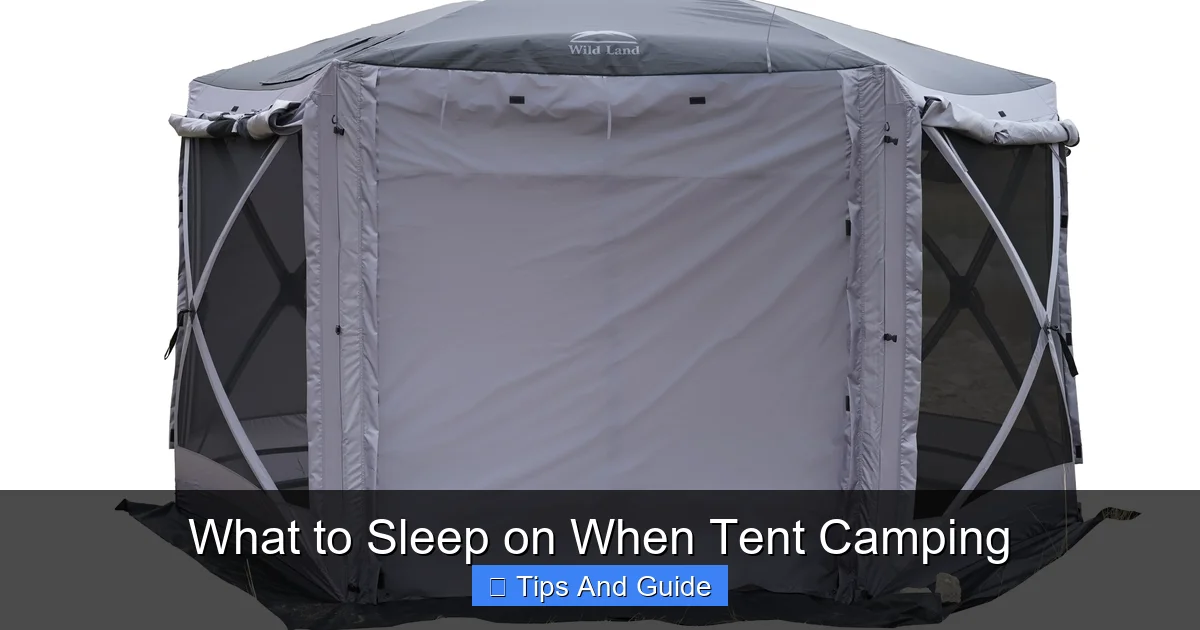
Choosing what to sleep on when tent camping can make or break your outdoor experience. Whether you’re a backpacker or car camper, the right sleeping surface provides comfort, insulation, and support. This guide covers all the top options—from sleeping pads to air mattresses—so you can wake up refreshed and ready for adventure.
Key Takeaways
- Sleeping pads offer lightweight insulation and comfort for backpackers. They’re compact, easy to pack, and ideal for uneven terrain.
- Air mattresses provide maximum comfort for car campers. They mimic home beds but require a pump and are less durable on rough ground.
- Foam sleeping pads are durable, affordable, and great for kids or extra cushioning. They don’t need inflation and work well in all weather.
- Insulation matters—especially in cold weather. A sleeping pad with a high R-value keeps you warm by blocking ground chill.
- Layering options (like foam over air) can boost comfort and warmth. Combine materials for a custom sleep system.
- Always consider weight, pack size, and ease of setup. Backpackers need lightweight gear; car campers can prioritize comfort.
- Don’t forget a good sleeping bag and tent setup. Even the best pad won’t help if your tent isn’t properly insulated or secured.
📑 Table of Contents
- Why Your Sleep Surface Matters When Tent Camping
- Sleeping Pads: The Backpacker’s Best Friend
- Air Mattresses: Luxury for Car Campers
- Foam Sleeping Pads: Simple, Durable, and Reliable
- Insulation and R-Value: Staying Warm While You Sleep
- Layering Your Sleep System for Maximum Comfort
- Other Tips for a Better Night’s Sleep in a Tent
- Final Thoughts: Choose What Works for You
Why Your Sleep Surface Matters When Tent Camping
Let’s be honest—no one wants to wake up stiff, sore, or freezing after a night in the woods. The ground is hard, cold, and often uneven. That’s why choosing what to sleep on when tent camping is just as important as picking the right tent or sleeping bag. A good sleep surface doesn’t just cushion your body—it insulates you from the cold ground, supports your spine, and helps you actually sleep, not just lie there staring at the tent ceiling.
Whether you’re backpacking through the mountains or setting up camp at a family-friendly campground, your sleep system plays a huge role in your overall comfort. And comfort leads to better rest, which means more energy for hiking, exploring, or simply enjoying nature. So let’s break down the best options for what to sleep on when tent camping—so you can wake up feeling refreshed, not like you wrestled a rock all night.
Sleeping Pads: The Backpacker’s Best Friend
If you’re hiking into the backcountry, a sleeping pad is likely your go-to choice. These lightweight, compact mats are designed to provide insulation and cushioning without weighing you down. They come in three main types: self-inflating, inflatable, and closed-cell foam.
Self-Inflating Sleeping Pads
These pads have a foam core that expands when you open the valve, allowing air to fill the chamber. You can add a few breaths to firm them up. They’re a great middle ground—more comfortable than foam pads but lighter and more durable than air mattresses. Brands like Therm-a-Rest make popular models that pack down small and offer excellent R-values (a measure of insulation). Perfect for weekend backpacking trips where comfort and weight both matter.
Inflatable Sleeping Pads
Ultra-light and super compact, inflatable pads are favorites among thru-hikers. They’re made from durable ripstop fabric and can be as thin as 1 inch or as thick as 3 inches for added luxury. Some even have built-in pumps or use your sleeping bag stuff sack as a pump. Just remember—these can be punctured by sharp rocks or pinecones, so always use a footprint or groundsheet underneath.
Closed-Cell Foam Pads
These are the old-school, no-fuss option. Made from dense foam, they never lose air and are nearly indestructible. While not as cushy as inflatables, they’re excellent for adding extra insulation under another pad or for kids who don’t need plush comfort. The Therm-a-Rest Z Lite Sol is a classic example—light, affordable, and reliable in all conditions.
Air Mattresses: Luxury for Car Campers
If you’re driving to your campsite and don’t mind the extra weight, an air mattress can feel like sleeping at home. These are ideal for family camping trips, glamping, or anyone who prioritizes comfort over portability. Modern air mattresses come in various thicknesses—some even have built-in pumps or raised edges to prevent rolling off.
Pros and Cons of Air Mattresses
The biggest advantage? Comfort. A thick air mattress can support your body just like a real bed, reducing pressure points and helping you sleep through the night. Some models even have dual chambers or firmness controls. However, they’re heavier, take up more space, and require a pump (electric or manual). They’re also more prone to punctures and can be noisy when you move.
Tips for Using Air Mattresses in Tents
Always place a groundsheet or tarp under your air mattress to protect it from sharp objects. Inflate it fully but not to the point of overstretching—this can cause seams to burst. For extra insulation, especially in cooler weather, place a foam pad underneath. And if you’re camping with kids, consider a double-high air mattress—they’re harder to roll off and feel more like a real bed.
Foam Sleeping Pads: Simple, Durable, and Reliable
Foam pads might not be the sexiest option, but they’re tough, affordable, and always ready to go. Unlike air-filled options, they don’t need setup time or risk deflating overnight. They’re perfect for base camps, kids, or as an added layer under another sleeping surface.
Closed-Cell vs. Open-Cell Foam
Closed-cell foam is water-resistant, lightweight, and provides decent insulation—ideal for tent camping. Open-cell foam is softer and more comfortable but absorbs water and takes longer to dry. For most campers, closed-cell is the better choice. It’s also great for sitting on during the day or as a makeshift camp chair.
Using Foam Pads for Extra Comfort
Even if you’re using an air mattress or inflatable pad, adding a thin foam layer underneath can boost insulation and protect against punctures. It’s a simple trick that makes a big difference, especially on rocky or root-filled ground. Plus, foam pads are cheap—so you can keep a few extras in your gear stash.
Insulation and R-Value: Staying Warm While You Sleep
One of the biggest mistakes campers make? Ignoring ground insulation. The earth pulls heat from your body much faster than cold air, so even in mild weather, you can get chilled from below. That’s where R-value comes in—it measures a pad’s resistance to heat flow. The higher the R-value, the better the insulation.
Choosing the Right R-Value
For summer camping, an R-value of 2–3 is usually enough. In spring or fall, aim for 3–5. Winter campers should look for pads with R-values of 5 or higher. Many campers use a combination—like an inflatable pad (R-4) with a foam pad underneath (R-2)—to reach a total R-value of 6. This layered approach is especially smart for how to stay warm when tent camping in colder months.
Bonus Tips for Staying Warm
Use a sleeping bag liner for extra warmth, and avoid sleeping directly on the tent floor—even a thin pad makes a difference. If it’s really cold, place a reflective emergency blanket underneath your pad to reflect body heat back up. And always keep your head and feet insulated; cold feet can ruin a good night’s sleep.
Layering Your Sleep System for Maximum Comfort
The best sleep setup often combines multiple layers. Think of it like dressing in layers—you can adjust based on the weather and your comfort needs. A common and effective combo is a foam pad on the bottom (for insulation and protection), an inflatable pad in the middle (for cushioning), and a soft fleece or blanket on top (for coziness).
Example: The 3-Layer Sleep System
- Bottom layer: Closed-cell foam pad (R-2, durable, waterproof)
- Middle layer: Inflatable sleeping pad (R-4, comfortable, lightweight)
- Top layer: Fleece blanket or sleeping bag liner (adds warmth and softness)
This system works great for three-season camping and can be adjusted for winter by adding a higher R-value pad or a second foam layer. It’s also a smart strategy if you’re unsure of the terrain—better to have extra padding than wake up with a sore back.
Other Tips for a Better Night’s Sleep in a Tent
Your sleep surface is just one part of the equation. To truly master the best way to sleep while tent camping, consider these extras:
- Use a pillow: Even a small camping pillow or a stuff sack filled with clothes can support your neck.
- Keep your feet elevated: Slightly raising your feet improves circulation and comfort.
- Ventilate your tent: Condensation can make you feel colder and dampen your gear. Crack a vent or door slightly for airflow.
- Sleep on a slight incline: If possible, position your head uphill to reduce congestion and improve breathing.
- Stay dry: Moisture kills warmth. Use a waterproof tent floor and avoid bringing wet gear inside.
And don’t forget to secure your tent properly—nothing ruins sleep like a flapping rainfly or a tent collapsing in the wind. For tips on stability, check out how to secure your tent when camping.
Final Thoughts: Choose What Works for You
There’s no one-size-fits-all answer to what to sleep on when tent camping. Your choice depends on your camping style, the season, and your personal comfort needs. Backpackers will lean toward lightweight sleeping pads, while car campers can enjoy the luxury of air mattresses. Foam pads offer reliability, and layering gives you flexibility.
The key is to test your setup before you head out. Inflate your air mattress, roll out your sleeping pad, and lie down—does it feel good? Is it warm enough? Make adjustments at home, not in the dark at 2 a.m. With the right sleep surface, you’ll spend less time tossing and turning and more time enjoying the great outdoors.
Frequently Asked Questions
What is the most comfortable thing to sleep on when tent camping?
The most comfortable option is usually a thick air mattress with a foam pad underneath for insulation. It mimics a real bed and is ideal for car campers who prioritize comfort over weight.
Can I sleep directly on the tent floor?
You can, but it’s not recommended. The ground is cold, hard, and uneven. Even a thin foam pad provides crucial insulation and cushioning, helping you sleep better and stay warmer.
Do I need a sleeping pad if I have an air mattress?
Yes, especially in cold weather. A foam pad underneath adds insulation and protects the air mattress from punctures. It boosts your R-value and keeps you warmer.
What R-value sleeping pad do I need for summer camping?
For summer, an R-value of 2–3 is usually sufficient. It provides enough insulation from the ground without being too bulky or heavy.
Are self-inflating pads worth it?
Absolutely. They offer a great balance of comfort, weight, and ease of use. They’re perfect for campers who want more cushioning than foam but don’t want the hassle of pumping up an air mattress.
How can I keep my sleeping pad from sliding in the tent?
Use a non-slip groundsheet or place a towel or yoga mat underneath. Some pads have textured bottoms to reduce sliding, or you can use pad straps to secure them to your sleeping bag.
