What to Put Under Tent When Camping
Putting the right layer under your tent is crucial for comfort, durability, and safety. A proper ground cover prevents moisture, sharp objects, and cold from ruining your camping experience. This guide covers the best options and how to use them effectively.
[FEATURED_IMAGE_PLACEHENT]
Key Takeaways
- Use a tarp or footprint: Protects the tent floor from moisture, abrasion, and punctures.
- Choose the right size: The ground cover should be slightly smaller than the tent base to avoid water pooling.
- Consider insulation: Add foam pads or closed-cell foam for extra warmth and comfort.
- Clear the site first: Remove rocks, sticks, and debris to prevent damage and discomfort.
- Layer smartly: Combine a tarp with a sleeping pad for maximum protection and coziness.
- Avoid plastic sheeting: It traps moisture and can make your tent clammy.
- Check weather conditions: Adjust your under-tent setup based on rain, snow, or cold forecasts.
📑 Table of Contents
Why What You Put Under Your Tent Matters
When you’re out in the wilderness, your tent is your home away from home. But what’s underneath it? Many campers overlook this critical detail, and that’s a mistake. The ground beneath your tent can be damp, rocky, or uneven—conditions that can ruin your sleep, damage your gear, or even lead to hypothermia in cold weather.
Putting the right material under your tent isn’t just about comfort—it’s about protection. A good ground layer shields your tent floor from moisture, sharp objects, and wear and tear. It also adds insulation, helping you stay warm and dry through the night. Whether you’re camping in a forest, on a beach, or in the mountains, knowing what to put under tent when camping can make or break your trip.
Best Materials to Put Under Your Tent
There are several effective options for ground protection, each with its own pros and cons. The best choice depends on your camping style, weather, and terrain.
Tarp or Groundsheet
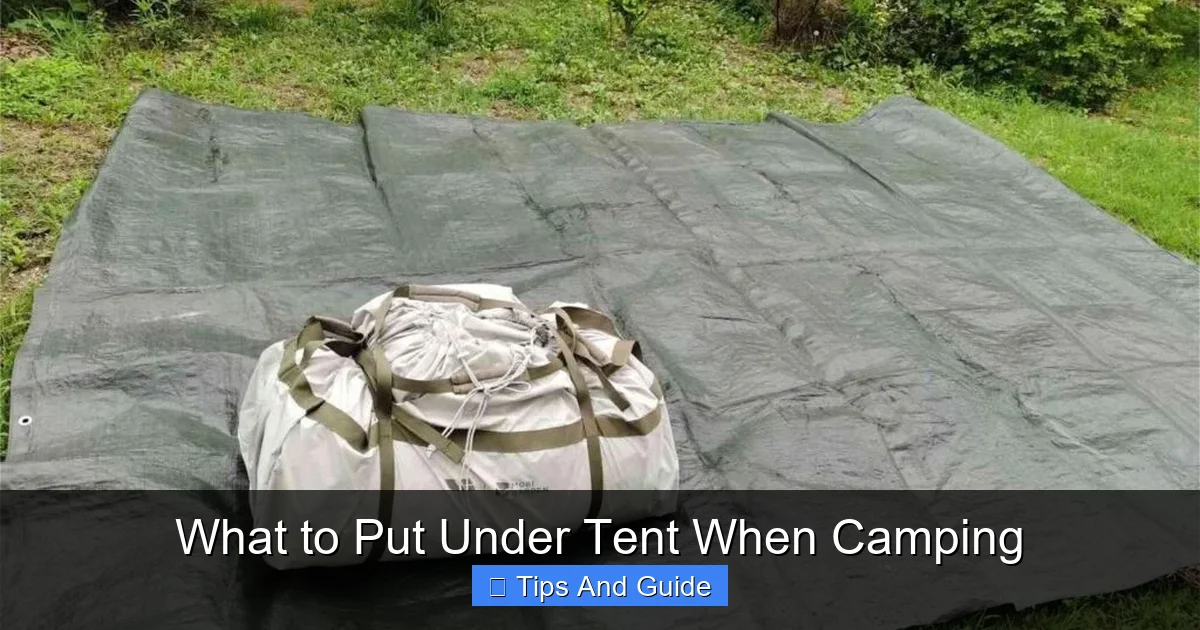
The most popular and versatile option is a tarp or dedicated groundsheet. Made from waterproof materials like polyethylene or silnylon, tarps are lightweight, affordable, and easy to clean. They create a barrier between the ground and your tent, preventing moisture from seeping in and protecting the floor from abrasion.
When using a tarp, make sure it’s slightly smaller than your tent’s footprint—about 2 inches shorter on all sides. This prevents rainwater from collecting under the tarp and flowing into your tent. You can find detailed guidance on the best way to put a tarp under a tent to avoid common mistakes.
Tent Footprint
A tent footprint is a custom-cut ground cloth designed specifically for your tent model. It’s usually made from durable, lightweight fabric and fits perfectly under the tent. Footprints are often sold by tent manufacturers and offer a snug, tailored fit.
While footprints can be more expensive than generic tarps, they’re convenient and reduce the risk of overhang. They’re ideal for backpackers who want a lightweight, no-fuss solution. Just remember: never use the footprint as a standalone shelter—it’s meant to protect your tent, not replace it.
Foam Sleeping Pads or Insulation Layers
In colder climates, adding an insulating layer under your tent can make a big difference. Closed-cell foam pads, like those from Therm-a-Rest, reflect body heat and block cold from the ground. These pads are lightweight, waterproof, and double as seating or sleeping surfaces.
For extra warmth, consider layering a foam pad under your sleeping mat. This combo is especially helpful in winter camping. If you’re unsure how to stay warm, check out tips on how to stay warm when tent camping for more strategies.
Emergency Blankets or Reflective Foam
Space blankets or Mylar emergency sheets are ultra-light and reflect heat back toward your body. While not durable enough for long-term use, they’re great for emergency situations or ultralight backpacking. Pair them with a tarp for added protection.
Reflective foam mats are another option. They’re thicker than space blankets and provide both insulation and cushioning. These are ideal for car campers who don’t mind a little extra weight.
What NOT to Use Under Your Tent
Not all materials are created equal. Some common household items might seem like good ideas but can actually do more harm than good.
Plastic Sheeting
Avoid using thick plastic sheeting from the hardware store. While it’s waterproof, it’s also non-breathable and can trap condensation underneath your tent. This leads to a clammy, uncomfortable interior—especially in humid or rainy conditions.
Plastic also tears easily and doesn’t grip well on slopes. If it shifts during the night, it can expose your tent floor to moisture and debris.
Carpet Remnants or Rugs
Old rugs or carpet pieces might feel soft, but they’re heavy, absorb water, and are hard to clean. They also don’t protect against punctures and can harbor mold if they get wet. Stick to purpose-built camping materials instead.
Newspaper or Cardboard
These materials disintegrate when wet and offer no real protection. They’re better suited for kindling than ground cover.
How to Prepare the Ground Before Pitching
Even the best ground cover won’t help if your campsite is full of hazards. Always take time to prepare the area before setting up your tent.
Clear the Area
Remove rocks, sticks, pinecones, and any sharp objects. Use your hands or a small trowel to smooth out the ground. A flat, debris-free surface prevents punctures and makes sleeping more comfortable.
Check for Slopes and Drainage
Choose a level spot with natural drainage. Avoid low-lying areas where water might collect during rain. If you’re on a slight slope, position your tent so your head is uphill—this improves comfort and reduces the chance of rolling downhill in your sleep.
Look for Natural Windbreaks
Use trees, bushes, or terrain features to shield your tent from wind. But keep a safe distance from dead branches or loose rocks that could fall.
Layering for Maximum Comfort and Protection
For the best results, combine multiple layers under your tent. This approach gives you moisture protection, insulation, and cushioning all in one.
Tarp + Sleeping Pad Combo
Start with a tarp or footprint directly under the tent. Then, inside the tent, use a high-quality sleeping pad. This dual-layer system keeps you dry from below and insulated from the cold. It’s a favorite among backpackers and car campers alike.
Add a Foam Base Layer
In cold weather, place a closed-cell foam pad under your sleeping pad. This extra layer boosts insulation and adds durability. It’s a simple upgrade that can significantly improve sleep quality.
Use a Tent Footprint with a Tarp
For ultimate protection, some campers use both a footprint and a tarp. The footprint goes directly under the tent, while the tarp extends slightly beyond the sides for added coverage. This is overkill for fair weather but smart in rainy or rocky conditions.
Special Considerations for Different Environments
Your ideal ground cover depends on where you’re camping. Adjust your setup based on the environment.
Wet or Rainy Conditions
In rainy weather, a waterproof tarp is essential. Make sure it’s taut and angled to shed water away from the tent. Avoid letting the tarp touch the tent walls—this can wick moisture inside. For more on staying dry, see our guide on how to stay cool when camping in a tent, which includes tips on ventilation and moisture control.
Snow or Cold Ground
In snowy or freezing conditions, insulation is key. Use a thick foam pad or a double-layer sleeping system. A reflective barrier can also help reflect body heat back up. For winter camping tips, explore how to stay warm tent camping in winter.
Rocky or Root-Filled Terrain
On uneven ground, a durable tarp or footprint is a must. Consider adding an extra layer of foam or a camping cot to avoid discomfort. Always inspect the site carefully before setting up.
Final Tips for a Smart Tent Setup
Now that you know what to put under tent when camping, here are a few final pointers to ensure a great experience:
- Test your setup at home: Practice pitching your tent with your ground cover before heading out.
- Pack a repair kit: Bring duct tape or a patch kit in case your tent floor gets damaged.
- Clean your gear after use: Rinse off mud and let everything dry before storing to prevent mold.
- Respect nature: Use existing campsites and avoid damaging vegetation when clearing ground.
With the right preparation, your tent will stay dry, your gear will last longer, and you’ll sleep better under the stars.
Frequently Asked Questions
Should I put a tarp under my tent?
Yes, a tarp is highly recommended to protect your tent floor from moisture, sharp objects, and wear. Just make sure it’s slightly smaller than the tent to prevent water from pooling underneath.
Can I use a plastic sheet under my tent?
It’s not ideal. Plastic sheeting traps condensation and can make your tent damp. Use a breathable, waterproof tarp or footprint instead.
Do I need a tent footprint?
A footprint is helpful but not mandatory. It offers a custom fit and extra protection, especially on rough terrain. Many campers use one in addition to a tarp for maximum durability.
What’s the best material for cold weather camping?
Closed-cell foam pads or insulated sleeping mats work best. They provide warmth and can be layered under your sleeping pad for added comfort.
How do I keep my tent from getting wet underneath?
Use a properly sized tarp, ensure good drainage around the site, and avoid letting the tarp touch the tent walls. Elevating gear off the floor can also help.
Can I camp without anything under my tent?
Technically yes, but it’s not recommended. Going without ground protection risks damaging your tent, getting wet, and losing heat—especially in cold or wet conditions.