What to Pack for a Tent Camping Trip
Packing for a tent camping trip doesn’t have to be overwhelming. With the right gear and a little planning, you can enjoy comfort, safety, and fun in the great outdoors. This guide covers everything you need—from shelter and sleep systems to food, clothing, and safety essentials—so you’re prepared for any adventure.
Key Takeaways
- Start with the basics: Your tent, sleeping bag, and sleeping pad are non-negotiable for comfort and protection.
- Pack smart layers: Weather can change fast—bring moisture-wicking base layers, insulating mid-layers, and a waterproof outer shell.
- Don’t forget lighting: Headlamps, lanterns, and backup batteries keep your campsite functional after dark.
- Food and cooking gear matter: A portable stove, utensils, and easy-to-prepare meals make outdoor cooking enjoyable.
- Stay safe and clean: Include a first-aid kit, hand sanitizer, and a tarp to protect your tent floor.
- Test your gear beforehand: Set up your tent at home to avoid surprises at the campsite.
- Leave no trace: Pack out all trash and respect nature to preserve the wilderness for others.
📑 Table of Contents
Why Packing Right Makes All the Difference
There’s nothing quite like the feeling of pitching your tent under a canopy of trees, listening to the crackle of a campfire, and falling asleep to the sound of crickets. But that peaceful experience can quickly turn stressful if you’ve forgotten something essential—or packed too much and are lugging around unnecessary weight.
Whether you’re heading out for a weekend getaway or a week-long adventure, knowing what to pack for a tent camping trip is key. The good news? You don’t need to be a survival expert to get it right. With a little preparation and a solid checklist, you can focus on what really matters: enjoying nature, spending time with loved ones, and making memories that last.
Shelter and Sleep: Your Home Away from Home
Your tent is your shelter, your refuge, and your bedroom—all in one. Choosing the right one and packing it properly sets the tone for your entire trip.
Pick the Right Tent
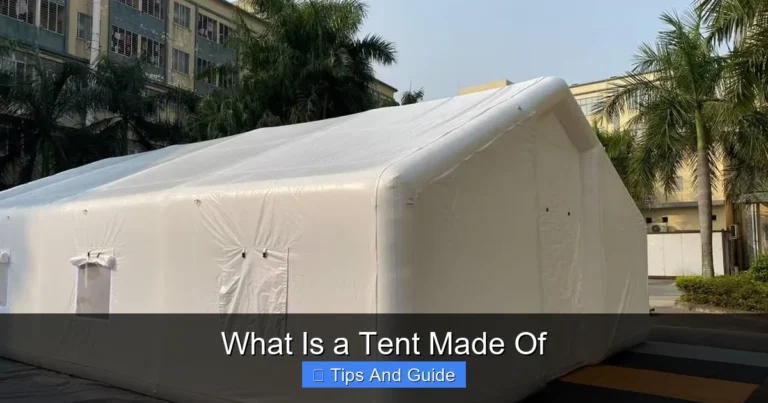
Start with a tent that fits your group size and weather conditions. A 3-season tent is perfect for spring, summer, and fall, while winter camping requires a 4-season model. If you’re car camping, you have more flexibility with size and weight. For backpacking, go lightweight and compact. Check out our guide on the best tent for camping to find the perfect match.
Don’t Forget the Extras
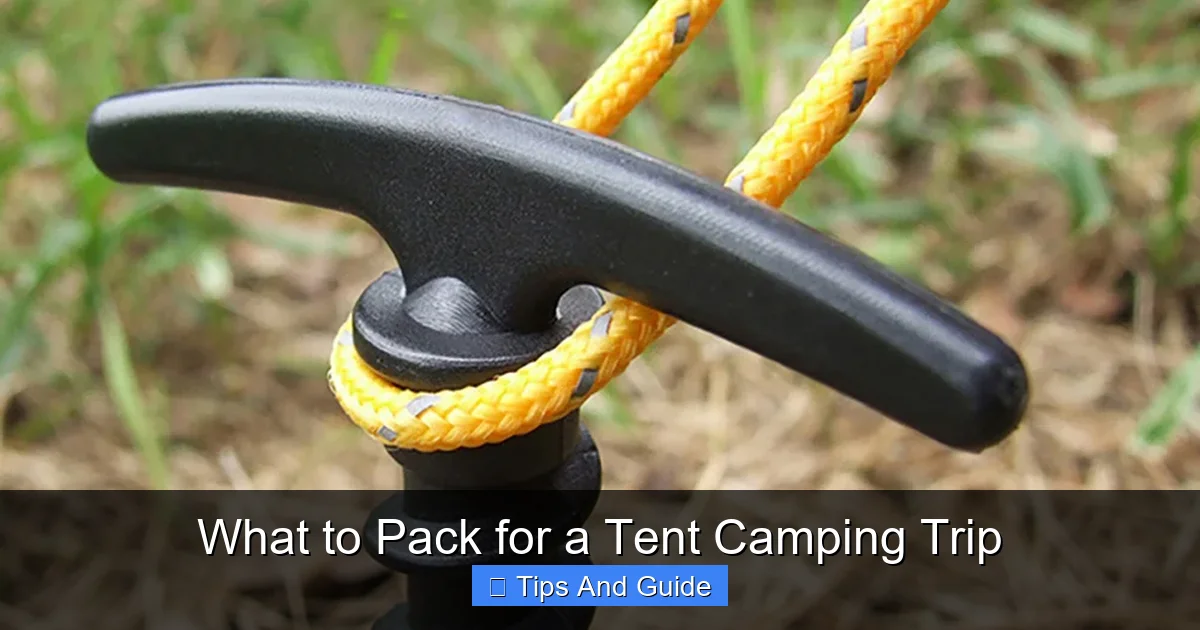
Your tent alone won’t keep you comfortable. Bring a ground tarp to place under your tent to prevent moisture and wear. A footprint—a custom-sized tarp that matches your tent floor—is even better. And always pack tent stakes, guylines, and a mallet or rock to secure everything in windy conditions.
Sleep System Essentials
A good night’s sleep starts with the right gear. Your sleeping bag should match the expected temperatures—look for one rated for the coldest night you might face. Pair it with a sleeping pad or air mattress for insulation and comfort. For extra warmth in cooler weather, consider a fleece liner. If you’re camping in winter, learn how to insulate a tent for winter camping to stay cozy through the night.
Clothing: Dress for Success (and Comfort)
Weather in the wilderness can be unpredictable. One minute it’s sunny, the next it’s pouring. That’s why smart layering is your best friend.
Base, Mid, and Outer Layers
Start with a moisture-wicking base layer—think synthetic fabrics or merino wool—to keep sweat off your skin. Add an insulating mid-layer like a fleece or down jacket for warmth. Top it off with a waterproof and windproof outer shell to protect against rain and wind. Avoid cotton—it stays wet and can lead to hypothermia in cold conditions.
Pack for All Conditions
Even in summer, nights can get chilly. Bring a warm hat, gloves, and extra socks. If rain is in the forecast, pack a rain jacket and waterproof pants. Don’t forget quick-dry camp clothes for lounging around the site. And always bring one extra pair of underwear and socks—just in case.
Footwear Matters
Sturdy hiking boots are a must for trails, but bring camp shoes like sandals or lightweight sneakers for around the site. Wet boots can ruin your trip, so give your feet a break when you’re not hiking.
Cooking and Food: Fuel for Your Adventure
Good food makes any camping trip better. Whether you’re a gourmet camper or a simple snacker, planning your meals ahead of time saves stress and waste.
Cooking Gear You’ll Actually Use
A portable camping stove is the easiest way to cook. Pair it with a fuel canister, lighter or matches (in a waterproof container), and a small pot or pan. Don’t forget utensils, a spatula, and a cutting board. For cleanup, bring biodegradable soap, a sponge, and a collapsible sink or basin.
Easy, Delicious Meals
Stick to simple recipes that require minimal prep. Think oatmeal for breakfast, wraps or sandwiches for lunch, and pasta or dehydrated meals for dinner. Pre-portion ingredients at home to save time. And always pack extra snacks—trail mix, granola bars, and fruit are great for energy on the go.
Stay Hydrated
Bring a water filter or purification tablets to refill from natural sources. Carry reusable water bottles or a hydration bladder. If you’re car camping, a large water jug makes refilling easy. And don’t forget coffee or tea if you need that morning boost!
Safety and Comfort: Be Prepared for Anything
Nature is beautiful, but it can also be unpredictable. A few key items can make the difference between a minor hiccup and a major problem.
First-Aid Kit and Essentials
Pack a well-stocked first-aid kit with bandages, antiseptic wipes, tweezers, pain relievers, and any personal medications. Include a small guide on basic first aid. And don’t forget sunscreen, insect repellent, and lip balm with SPF.
Lighting the Way
When the sun goes down, you’ll need light. A headlamp keeps your hands free for cooking or setting up camp. Add a lantern for ambient light around the site. Always bring extra batteries or a portable charger. For a cozy touch, string up some solar-powered fairy lights.
Stay Connected (But Not Too Connected)
While part of camping is unplugging, it’s smart to have a way to call for help. Bring a fully charged phone, a power bank, and consider a satellite messenger if you’re going off-grid. Let someone know your itinerary and expected return time.
Packing Smart: Tips to Avoid Overpacking
It’s easy to throw in “just in case” items, but heavy packs and cluttered tents can ruin the fun. Here’s how to pack efficiently.
Use Packing Cubes or Bags
Separate clothes, food, and gear into labeled stuff sacks or packing cubes. This keeps things organized and easy to find. Waterproof bags are great for keeping essentials dry in wet conditions.
Test Your Setup at Home
Before you leave, set up your tent in the backyard or living room. This helps you spot missing parts and practice assembly. It’s also a great way to teach kids how to help. Check out our guide on how to set up a tent for camping for step-by-step tips.
Know What to Leave Behind
You don’t need your entire wardrobe or a full kitchen. Stick to the essentials and multi-use items. For example, a bandana can be a towel, pot holder, or sun protection. And remember: if you didn’t pack it, you can’t lose it!
Final Tips for a Smooth Trip
Once you’ve packed everything, do a final walkthrough. Check the weather, confirm your campsite reservation, and double-check your car or backpack. Arrive early to give yourself time to set up before dark. And always follow Leave No Trace principles—pack out all trash, respect wildlife, and leave the site better than you found it.
With the right gear and a positive attitude, your tent camping trip will be one to remember. So grab your pack, hit the trail, and enjoy the great outdoors—one campsite at a time.
Frequently Asked Questions
What should I pack first for a tent camping trip?
Start with the essentials: your tent, sleeping bag, sleeping pad, and a ground tarp. These form the foundation of your shelter and comfort. Once those are packed, move on to clothing, food, and safety items.
How do I keep my tent dry in the rain?
Use a waterproof tarp under your tent and make sure your rainfly is properly secured. Avoid bringing wet gear inside, and consider a vestibule for storing muddy boots. Learn more about how to waterproof a camping tent for long-term protection.
Can I camp in a tent without a sleeping pad?
You can, but it’s not recommended. A sleeping pad provides insulation from the cold ground and adds comfort. Without one, you’ll lose body heat quickly and may wake up sore.
What’s the best way to pack a tent for car camping?
Use a large duffel bag or stuff sack to keep your tent and accessories together. Place heavier items at the bottom of your car for stability. For tips on organization, see our guide on the best way to pack a tent.
Do I need a camp chair for tent camping?
It’s not essential, but a lightweight camp chair adds comfort for sitting around the fire or eating meals. If space is tight, a foldable stool or sit pad works too.
How do I stay warm in a tent at night?
Use a sleeping bag rated for low temperatures, wear warm base layers, and add a sleeping pad for insulation. You can also bring a hot water bottle or use a tent-safe heater. For more tips, read about how to stay warm while camping in a tent.