

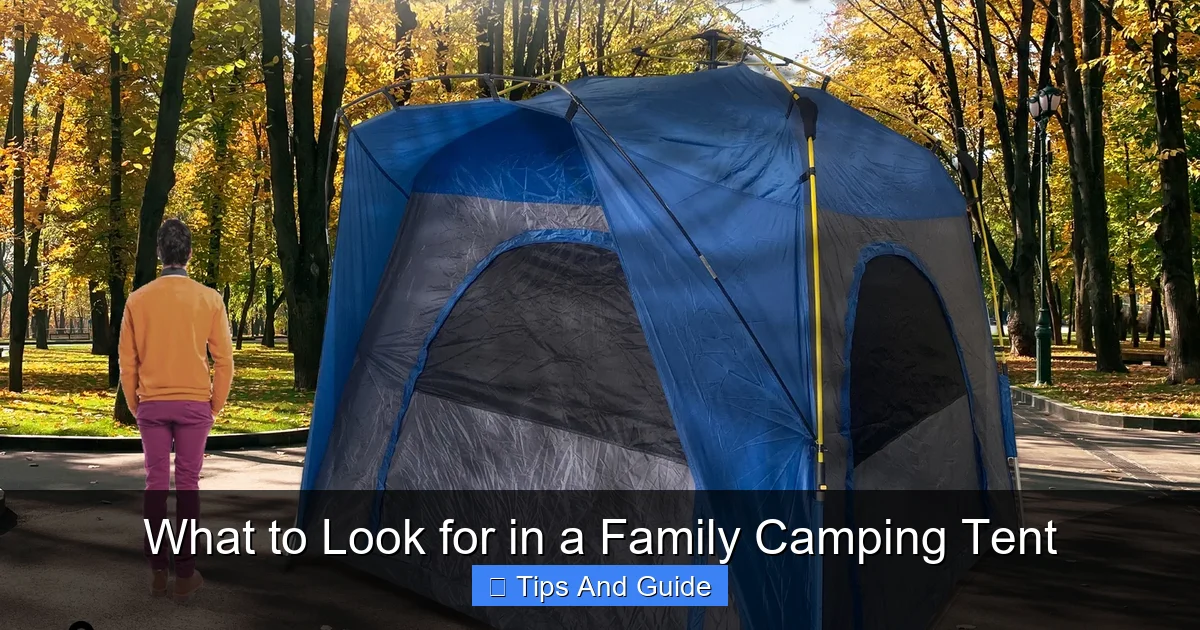
Finding the perfect family camping tent means balancing space, durability, and comfort. You’ll want a tent that’s easy to set up, weather-resistant, and spacious enough for everyone—plus gear. This guide walks you through the top features to consider so your next camping trip is stress-free and fun.
Key Takeaways
- Size and Capacity: Choose a tent rated for at least one more person than your family size to allow room for gear and movement.
- Weather Resistance: Look for a high waterproof rating (at least 1500mm), sealed seams, and a full-coverage rainfly for reliable protection.
- Ventilation and Climate Control: Mesh panels, adjustable vents, and dual doors help reduce condensation and keep air flowing.
- Ease of Setup: Freestanding tents with color-coded poles and quick-clip systems save time and frustration, especially in bad weather.
- Durability and Materials: Ripstop polyester or nylon with reinforced floors and sturdy zippers ensure long-term use.
- Interior Features: Gear lofts, pockets, and room dividers add convenience and organization for families.
- Weight and Portability: For car camping, weight is less critical, but consider packed size if you’re hiking to your site.
📑 Table of Contents
- Introduction: Why Your Family Tent Matters
- Size and Capacity: Bigger Isn’t Always Better (But It Helps)
- Weather Resistance: Stay Dry When It Pours
- Ventilation and Climate Control: Beat the Heat and Condensation
- Ease of Setup: Save Time and Reduce Stress
- Durability and Materials: Built to Last
- Interior Features: Comfort and Convenience for Families
- Weight and Portability: Car Camping vs. Hiking
- Conclusion: Choose Wisely, Camp Happily
Introduction: Why Your Family Tent Matters
There’s nothing quite like gathering around a campfire, roasting marshmallows, and falling asleep under the stars with your loved ones. But the magic of family camping can quickly fade if your tent isn’t up to the task. A cramped, leaky, or poorly ventilated shelter turns a peaceful night into a restless, uncomfortable ordeal. That’s why choosing the right family camping tent is one of the most important decisions you’ll make before hitting the trails or setting up at the campground.
Unlike solo or backpacking tents, family tents need to balance space, comfort, and practicality. You’re not just sheltering people—you’re also storing backpacks, strollers, coolers, and maybe even a dog or two. Plus, kids (and adults!) need room to move, sleep, and stay dry. With so many options on the market, it’s easy to feel overwhelmed. But don’t worry—this guide breaks down exactly what to look for in a family camping tent so you can make a smart, confident choice.
Size and Capacity: Bigger Isn’t Always Better (But It Helps)
When shopping for a family tent, the first thing you’ll notice is the “person rating”—like 4-person, 6-person, or 8-person. But here’s the catch: these numbers are based on backpacking standards, where campers sleep close together with minimal gear. For families, that’s rarely comfortable.
Go One Size Up
Always choose a tent rated for at least one more person than your actual group size. A “4-person” tent might fit four adults in a pinch, but a family of four with kids, bags, and a dog will feel cramped. Opt for a 6-person tent instead. This extra space makes a huge difference in comfort, especially on longer trips.
Consider Floor Area and Peak Height
Look at the floor dimensions (usually listed in square feet) and peak height. A tent with 80–100 square feet gives plenty of room to move, while a peak height of 6 feet or more allows most adults to stand upright—ideal for changing clothes or stretching out after a long hike. For example, the Best 6 Person Tent for Family Camping offers a great balance of space and usability for families of four to five.
Weather Resistance: Stay Dry When It Pours
No one wants to wake up to a soggy sleeping bag. Weather resistance is non-negotiable, especially if you’re camping in unpredictable climates or during rainy seasons.
Waterproof Ratings and Rainfly Coverage
Check the tent’s hydrostatic head rating—this measures how much water the fabric can resist before leaking. For family camping, aim for at least 1500mm, though 2000mm or higher is ideal. Also, ensure the rainfly covers the entire tent, including the sides and vestibules. A partial rainfly might save weight, but it leaves your gear exposed during sideways rain.
Sealed Seams and Bathtub Floors
Look for factory-sealed or taped seams to prevent water from seeping through stitch holes. Even better, choose a tent with a “bathtub floor”—where the floor material wraps up the sides slightly—to keep groundwater out if you’re camping on damp soil. And don’t forget to use a ground tarp underneath for extra protection.
Wind Stability
A sturdy frame with strong poles (like aluminum or reinforced fiberglass) and multiple guylines helps the tent withstand gusty winds. Practice setting it up at home so you’re ready if a storm rolls in at the campsite.
Ventilation and Climate Control: Beat the Heat and Condensation
Stuffy, sweaty air inside a tent is a common complaint—especially in summer or humid climates. Poor ventilation leads to condensation buildup, which can make sleeping bags damp and create an uncomfortable, clammy environment.
Mesh Panels and Adjustable Vents
Choose a tent with large mesh windows and roof panels. Mesh allows airflow while keeping bugs out. Adjustable vents near the top of the tent let hot air escape, creating a natural chimney effect. Some tents even feature zippered vents you can open or close depending on the weather.
Dual Doors for Cross-Breeze
Tents with two doors—one on each side—make it easier for family members to enter and exit without climbing over each other. They also improve airflow, especially when both doors are open with mesh panels exposed. This setup is a game-changer on hot nights.
Stay Cool in Summer, Warm in Winter
While ventilation keeps you cool, you’ll also need strategies for colder weather. For summer trips, consider pairing your tent with shade tarps or using reflective blankets. In winter, proper insulation and layering are key. Check out our guide on How to Stay Warm While Camping in a Tent for tips on retaining heat without sacrificing safety.
Ease of Setup: Save Time and Reduce Stress
After a long drive to the campsite, the last thing you want is a complicated tent setup. Family tents should be easy to pitch—even for beginners.
Freestanding Design and Color-Coded Poles
Freestanding tents don’t require stakes to hold their shape, making them easier to move and adjust. Look for models with color-coded poles and clips that match corresponding grommets or sleeves. This reduces confusion and speeds up assembly.
Instant or Quick-Pitch Tents
Some modern family tents use pre-attached poles or hub systems that allow setup in under five minutes. These “instant” tents are perfect for families with young kids or when arriving late in the day. Just be sure they’re still durable and weather-resistant—speed shouldn’t come at the cost of quality.
Practice at Home
No matter how simple the design, always practice setting up your tent before your trip. This helps you identify any missing parts and builds confidence. It’s also a great way to involve the kids and make camping prep part of the adventure. For step-by-step help, see our article on How to Set Up a Tent for Camping.
Durability and Materials: Built to Last
A family tent is an investment. You want it to survive multiple seasons, rough handling, and unpredictable weather.
Fabric Strength and Denier Rating
Check the denier (D) rating of the tent fabric—the higher the number, the thicker and more durable the material. A 75D or 100D polyester or nylon is common for family tents. Ripstop fabrics, which have reinforced threads, resist tearing even if punctured.
Floor Material and Zipper Quality
The floor takes the most abuse, so look for a high-denier polyethylene or coated polyester base (at least 150D). Heavy-duty zippers with storm flaps prevent snags and leaks. Avoid cheap plastic zippers—they break easily and can ruin a trip.
Pole Material
Aluminum poles are lightweight, strong, and resistant to corrosion—ideal for family use. Fiberglass is cheaper but more prone to bending or snapping in high winds. If you’re camping in rough terrain, aluminum is worth the extra cost.
Interior Features: Comfort and Convenience for Families
Smart design features can turn a basic shelter into a cozy home away from home.
Room Dividers and Multiple Rooms
Some larger family tents come with removable room dividers, creating separate sleeping areas for parents and kids. This adds privacy and helps manage noise levels—perfect for light sleepers.
Storage Solutions
Look for built-in gear lofts, mesh pockets, and hanging organizers. These keep flashlights, phones, and snacks within reach and off the floor. Vestibules—covered areas outside the main entrance—are great for storing muddy boots or backpacks without tracking dirt inside.
Electrical Access Ports
Many modern tents include a zippered port for running a power cord from a battery pack or campsite outlet. This lets you charge devices safely without leaving the tent door open.
Weight and Portability: Car Camping vs. Hiking
For car camping, weight is less of a concern since you’re not carrying the tent far. But if you plan to hike to your site, every ounce counts.
Packed Size Matters
Even for car camping, consider how much trunk space the packed tent will take. A bulky tent might not leave room for coolers, chairs, and other essentials. Look for a compact carry bag with padded straps for easier transport.
Split Components for Hiking
If you’re backpacking with family, some tents allow you to split the weight—one person carries the body, another the poles. However, most families stick to car-accessible sites, where comfort outweighs portability.
Conclusion: Choose Wisely, Camp Happily
Your family camping tent is more than just a shelter—it’s your home base for adventure, rest, and quality time together. By focusing on size, weather resistance, ventilation, ease of setup, and smart features, you’ll find a tent that keeps everyone comfortable and happy, no matter the conditions.
Remember, the best tent isn’t necessarily the biggest or most expensive—it’s the one that fits your family’s needs and camping style. Take your time, read reviews, and don’t hesitate to test it out at home. With the right tent, your next outdoor getaway will be filled with laughter, starry skies, and memories that last a lifetime.
Frequently Asked Questions
How many people should a family tent actually sleep?
Always size up. A 4-person tent is too tight for a family of four. Choose a 6-person tent for a family of four to allow space for gear and movement.
What’s the best waterproof rating for a family camping tent?
Aim for at least 1500mm, but 2000mm or higher is better for heavy rain. Also ensure the rainfly covers the entire tent and seams are sealed.
Can I use a family tent in winter?
Most standard family tents are 3-season and not designed for heavy snow or extreme cold. For winter camping, look for 4-season tents or add insulation. See our guide on How to Insulate a Tent for Winter Camping for tips.
How do I reduce condensation inside my tent?
Increase airflow by opening mesh vents and doors. Avoid bringing wet gear inside, and use a ground tarp to prevent moisture from rising from the soil.
Are instant tents good for families?
Yes, if they’re well-made. Instant tents save time and reduce setup stress, but make sure they’re durable and weather-resistant, not just fast to pitch.
Should I buy a tent with room dividers?
If privacy is important—especially with older kids or multiple families sharing a tent—room dividers are a great feature. They help create separate sleeping zones without needing two tents.
