

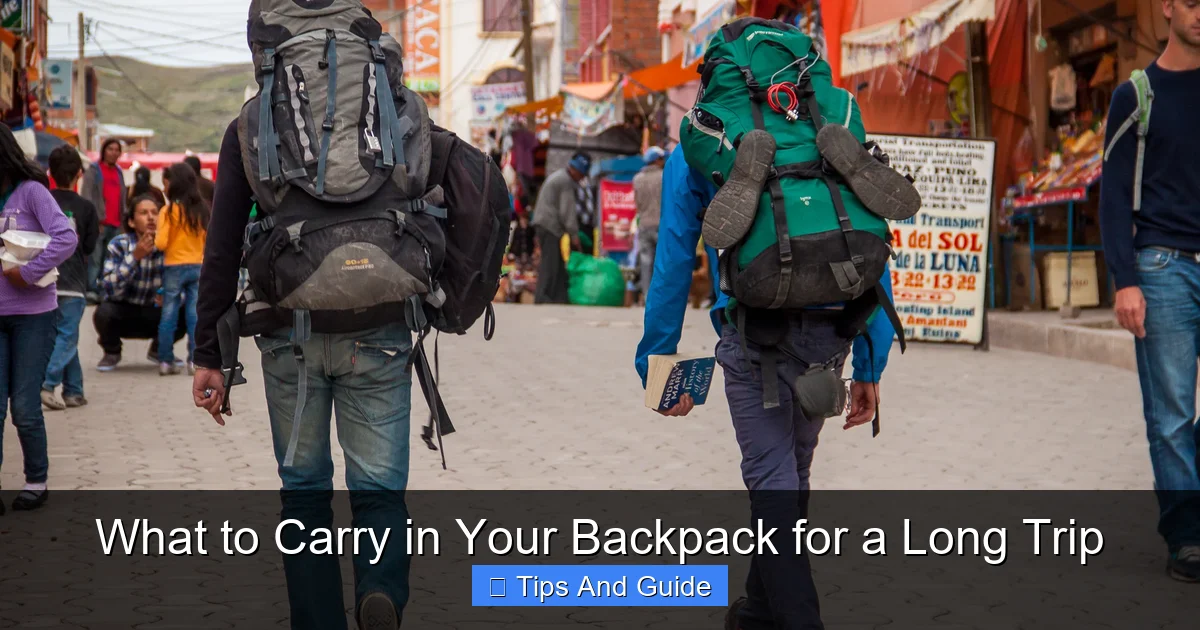
Planning a long backpacking trip? Packing smart is just as important as packing light. This guide covers everything you need to carry in your backpack for a long trip—from shelter and sleep systems to food, clothing, and emergency supplies—so you stay safe, comfortable, and prepared for any adventure.
Key Takeaways
- Pack a lightweight, weather-appropriate tent: Choose a compact, durable tent that suits the climate and terrain of your trip.
- Prioritize a quality sleeping system: A good sleeping bag and insulated pad are essential for warmth and comfort, especially in cold or wet conditions.
- Carry only essential clothing: Use moisture-wicking, layered clothing and avoid cotton to stay dry and regulate body temperature.
- Bring reliable navigation tools: Always have a map, compass, and GPS device—don’t rely solely on your phone.
- Pack enough food and a way to cook it: Choose calorie-dense, non-perishable foods and a lightweight stove for hot meals.
- Include a well-stocked first aid kit: Be ready for cuts, blisters, allergies, and minor injuries with a compact, travel-ready kit.
- Don’t forget safety and emergency gear: A headlamp, fire starter, multi-tool, and emergency shelter can be lifesavers in unexpected situations.
📑 Table of Contents
- Introduction: The Art of Packing Smart for Long Trips
- Shelter: Your Home on the Trail
- Sleep System: Rest Well, Hike Strong
- Clothing: Dress for Success (and Comfort)
- Food and Cooking Gear: Fuel for the Journey
- Navigation and Safety: Stay on Track and Prepared
- Personal Items and Extras: The Little Things That Matter
- Conclusion: Pack Smart, Travel Far
Introduction: The Art of Packing Smart for Long Trips
Heading out on a long backpacking trip is one of the most rewarding experiences you can have. Whether you’re trekking through mountain trails, exploring remote forests, or crossing desert landscapes, the freedom of carrying everything you need on your back is both liberating and empowering. But with that freedom comes responsibility—especially when it comes to what you pack.
Knowing what to carry in your backpack for a long trip isn’t just about fitting everything in. It’s about balance: bringing enough to stay safe and comfortable, but not so much that your pack becomes a burden. Overpacking leads to fatigue, while underpacking can put you at risk. The key is to focus on essentials, prioritize versatility, and choose gear that serves multiple purposes. In this guide, we’ll walk you through every category of gear you should consider, with practical tips and real-world examples to help you pack like a pro.
Shelter: Your Home on the Trail
Your tent is more than just a place to sleep—it’s your shelter from wind, rain, insects, and cold. For long trips, choosing the right tent is critical. Look for a lightweight, durable model that’s easy to set up and packs down small. A two-person tent is often ideal for solo travelers who want extra space for gear, while ultralight backpackers may opt for a minimalist tarp or bivy sack.
Choosing the Right Tent
When selecting a tent, consider weight, weather resistance, and ease of setup. A three-season tent works well for most conditions, but if you’re traveling in winter or high-altitude areas, a four-season tent with reinforced poles and a full-coverage rainfly is a must. Look for features like vestibules for gear storage and mesh panels for ventilation.
Packing Your Tent Efficiently
How you pack your tent can make a big difference in your overall pack weight and organization. Instead of stuffing it loosely, use a compression sack to reduce bulk. Store the tent body, rainfly, and poles separately to distribute weight evenly. For tips on the best way to pack a tent in a backpack, check out our detailed guide that covers packing techniques and space-saving hacks.
Sleep System: Rest Well, Hike Strong
A good night’s sleep is essential for maintaining energy and morale on a long trip. Your sleep system includes your sleeping bag, sleeping pad, and pillow. Together, they keep you warm, insulated from the ground, and comfortable—even on uneven terrain.
Sleeping Bag: Warmth and Weight
Choose a sleeping bag rated for the lowest temperatures you expect to encounter. Down bags are lightweight and compressible but lose insulation when wet. Synthetic bags are heavier but retain warmth in damp conditions. Consider a mummy-style bag for maximum warmth and minimal weight.
Sleeping Pad: Insulation and Comfort
A sleeping pad isn’t just for comfort—it’s crucial for insulation. The ground can suck heat from your body quickly, especially in cold weather. Look for a pad with a high R-value (insulation rating). Inflatable pads offer excellent comfort and packability, while foam pads are durable and never leak. For winter trips, consider using both for extra insulation. Learn more about the best way to stay warm in a tent with proper layering and pad selection.
Pillow and Sleep Accessories
A small inflatable or compressible pillow can make a big difference in sleep quality. Alternatively, stuff a stuff sack with soft clothing. Don’t forget a sleep mask and earplugs if you’re sensitive to light or noise.
Clothing: Dress for Success (and Comfort)
Clothing is one of the most personal—and often overpacked—items in your backpack. The goal is to bring versatile, weather-appropriate layers that dry quickly and resist odor. Avoid cotton, which retains moisture and takes forever to dry.
Layering System: Base, Mid, and Outer
Use a three-layer system: a moisture-wicking base layer (like merino wool or synthetic fabric), an insulating mid-layer (fleece or down jacket), and a waterproof, breathable outer shell. This allows you to adjust to changing temperatures throughout the day.
Essential Clothing Items
- 2–3 pairs of hiking socks (merino wool recommended)
- 1–2 pairs of quick-dry hiking pants or shorts
- 1–2 long-sleeve base layers
- 1 insulated jacket or vest
- 1 waterproof rain jacket and pants
- 1 set of lightweight camp clothes (for sleeping and relaxing)
- Hat (sun hat and warm beanie)
- Gloves (lightweight for cool mornings, insulated for cold weather)
Rotate clothes daily and use packing cubes or dry bags to stay organized. For summer trips, focus on breathability and sun protection. In winter, prioritize insulation and wind resistance.
Food and Cooking Gear: Fuel for the Journey
On a long trip, your body burns thousands of calories a day. You’ll need high-energy, lightweight food that’s easy to prepare. Plan meals in advance and pack enough for your entire trip, plus a little extra in case of delays.
Food Choices: Calorie-Dense and Non-Perishable
Focus on foods like dehydrated meals, nuts, energy bars, peanut butter, instant oatmeal, and dried fruit. These are lightweight, compact, and provide sustained energy. Avoid bulky items like fresh produce or canned goods.
Cooking System: Stove, Fuel, and Utensils
A lightweight backpacking stove (like a canister or alcohol stove) is essential for hot meals and boiling water. Bring enough fuel for your trip, plus a little extra. Pair it with a compact pot, spork, and a small lighter or fire starter. Don’t forget a mug or bowl for eating.
For longer trips, consider a multi-fuel stove that can use different fuel types. Always cook away from your tent to avoid attracting wildlife, and follow Leave No Trace principles by packing out all trash.
Navigation and Safety: Stay on Track and Prepared
Getting lost is one of the biggest risks on a long trip. Even with a smartphone, you should never rely solely on GPS. Batteries die, signals drop, and phones break. Always carry backup navigation tools.
Essential Navigation Tools
- Topographic map of the area (waterproof or in a protective case)
- Compass (and know how to use it)
- GPS device or handheld navigator
- Altimeter or watch with navigation features
Practice using your map and compass before your trip. Mark key waypoints, campsites, and water sources. Share your itinerary with someone at home and check in regularly if possible.
Safety and Emergency Gear
Be ready for the unexpected with a well-stocked safety kit. Include:
- Headlamp with extra batteries
- Fire starter (lighter, matches, ferro rod)
- Multi-tool or knife
- Emergency whistle
- Space blanket or bivy sack
- Duct tape (wrap around a water bottle for easy access)
- Personal locator beacon (PLB) or satellite messenger (for remote areas)
Also, carry a compact first aid kit with bandages, antiseptic, blister treatment, pain relievers, and any personal medications. Know basic first aid and how to treat common trail injuries.
Personal Items and Extras: The Little Things That Matter
Don’t forget the small but important items that make life on the trail more comfortable. These include:
- Toiletries (toothbrush, biodegradable soap, hand sanitizer)
- Trowel for digging catholes (for Leave No Trace waste disposal)
- Sunscreen and lip balm with SPF
- Insect repellent
- Quick-dry towel
- Notebook and pen
- Camera or smartphone (with portable charger or solar panel)
- Entertainment (book, cards, or journal)
Keep electronics in waterproof cases and consider a power bank for charging devices. For long trips, a solar charger can be a game-changer.
Conclusion: Pack Smart, Travel Far
Packing for a long backpacking trip is both an art and a science. It requires careful planning, smart choices, and a willingness to adapt. By focusing on essentials—shelter, sleep, clothing, food, navigation, and safety—you can build a pack that’s both functional and manageable.
Remember, the goal isn’t to bring everything. It’s to bring the right things. Test your gear before you go, adjust as needed, and always prioritize safety and comfort. With the right preparation, your long trip will be not just survivable, but truly unforgettable. And if you’re looking for more tips on organizing your gear, check out our guide on the best way to pack tent in backpack for space-saving strategies that work.
Frequently Asked Questions
What should I carry in my backpack for a long trip?
You should carry essential gear including a tent, sleeping bag, sleeping pad, layered clothing, food, cooking equipment, navigation tools, first aid kit, and safety items like a headlamp and fire starter. Focus on lightweight, multi-purpose items to keep your pack manageable.
How much should my backpack weigh for a long trip?
Aim for a base weight (pack weight without food and water) of 15–20 pounds for most backpackers. Total pack weight, including food and water, should ideally stay under 30–35 pounds to avoid strain and fatigue.
Can I bring a tent on a long backpacking trip?
Yes, a tent is essential for shelter and protection from the elements. Choose a lightweight, durable model that fits your climate and pack it efficiently using compression sacks and proper organization.
What’s the best way to stay warm while camping in a tent?
Use a high-quality sleeping bag rated for low temperatures, pair it with an insulated sleeping pad, and wear warm base layers to bed. You can also use a hot water bottle or sleeping bag liner for extra warmth.
Do I need a GPS if I have a map and compass?
While a map and compass are essential backups, a GPS device can provide real-time location data and route tracking. For remote trips, a GPS or satellite messenger adds an extra layer of safety.
How do I prevent my tent from getting wet inside?
Ensure your tent is properly pitched with a taut rainfly, avoid touching the walls while inside, and use a groundsheet under the tent. Ventilate well to reduce condensation, and never cook inside the tent.
