What to Bring When Tent Camping
Knowing what to bring when tent camping can make or break your outdoor experience. From shelter and sleep systems to food and safety gear, packing smart ensures comfort and peace of mind. This guide covers all the essentials you need for a successful trip.
Key Takeaways
- Tent and shelter gear: Bring a weather-appropriate tent, ground tarp, stakes, and guylines to protect against rain and wind.
- Sleep system essentials: A quality sleeping bag, sleeping pad, and pillow are crucial for warmth and comfort at night.
- Clothing layers: Pack moisture-wicking base layers, insulating mid-layers, and waterproof outerwear for changing weather.
- Cooking and food supplies: Include a camp stove, fuel, utensils, and airtight containers—don’t forget a cooler for perishables.
- Safety and navigation tools: Always carry a first aid kit, flashlight, map, compass, and multi-tool.
- Personal and hygiene items: Don’t overlook toiletries, hand sanitizer, toilet paper, and a trowel for waste disposal.
- Extras for comfort: Camp chairs, a lantern, and entertainment like books or cards enhance your experience.
📑 Table of Contents
Introduction: Why Packing Right Matters for Tent Camping
There’s nothing quite like the freedom of pitching a tent under the stars, breathing in fresh mountain air, and waking up to birdsong instead of an alarm clock. But that dreamy escape can quickly turn stressful if you forget something essential—like a rainfly during a downpour or a sleeping pad on rocky ground. That’s why knowing what to bring when tent camping is so important. It’s not just about convenience; it’s about safety, comfort, and making the most of your time in nature.
Whether you’re a first-timer or a seasoned camper, a well-thought-out packing list can save you from common pitfalls. Overpacking can weigh you down, while underpacking leaves you unprepared. The key is balance: bring what you need, leave what you don’t. In this guide, we’ll walk you through every category of gear and supplies, from shelter to snacks, so you can pack with confidence and enjoy your adventure to the fullest.
Shelter and Tent Essentials
Your tent is your home away from home, so it deserves top priority on your packing list. But a tent alone isn’t enough—you need the right accessories to keep it secure and dry.
Choosing the Right Tent
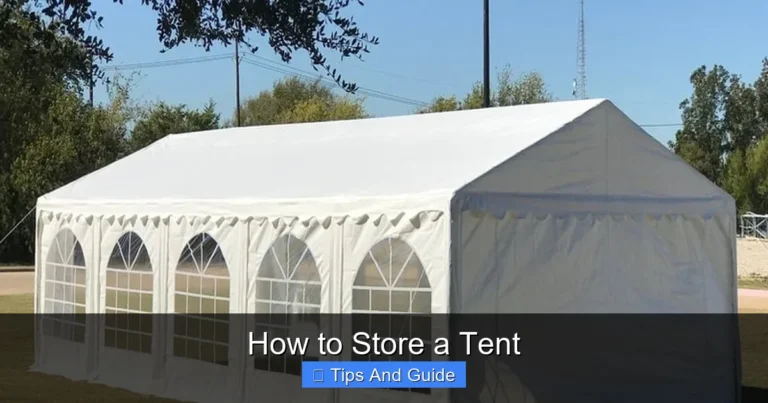
Start with a tent that matches your group size and the season. A 3-season tent works for spring, summer, and fall, while a 4-season tent is built for winter storms. Look for features like a full-coverage rainfly, vestibules for gear storage, and good ventilation to reduce condensation.
Must-Have Tent Accessories
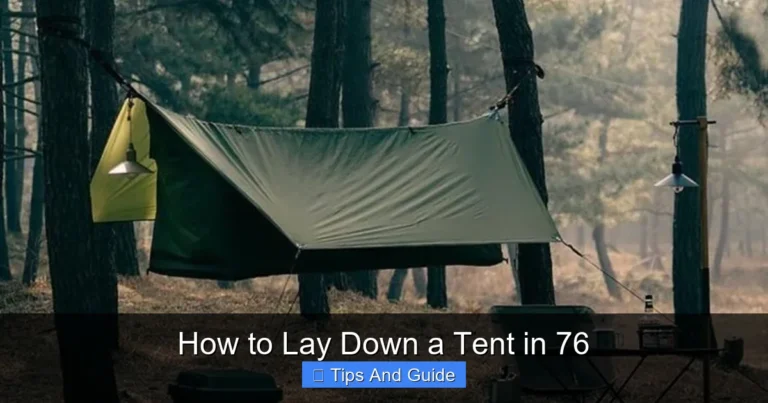
Don’t forget a ground tarp to place under your tent—this protects the floor from moisture and abrasion. Use tent stakes suited to your terrain (sand stakes for beaches, snow stakes for winter). Bring extra guylines in case of high winds. And always pack a repair kit with duct tape and seam sealer for quick fixes.
For added peace of mind, check out our guide on how to secure your tent when camping to learn anchoring techniques that keep your shelter stable in any weather.
Sleep System: Getting a Good Night’s Rest
A comfortable night’s sleep is non-negotiable when camping. Without it, even the most beautiful sunrise won’t make up for exhaustion.
Sleeping Bag and Temperature Rating
Choose a sleeping bag rated for the lowest expected temperature. Down bags are lightweight and warm but lose insulation when wet. Synthetic bags are bulkier but perform better in damp conditions. Consider a sleeping bag liner for extra warmth or cleanliness.
Sleeping Pad and Pillow
A sleeping pad isn’t just for comfort—it insulates you from the cold ground. Inflatable pads offer great cushioning, while foam pads are durable and puncture-proof. Don’t skip the pillow: a compact camping pillow or a stuff sack filled with clothes can do the trick.
For more tips on maximizing comfort, read our article on the best way to sleep while tent camping, which covers pad placement, clothing hacks, and sleep positions.
Clothing: Dress for Success in the Wild
Weather in the outdoors can change fast. Dressing in layers is the smartest way to stay comfortable all day.
Base, Mid, and Outer Layers
Start with a moisture-wicking base layer (avoid cotton—it stays wet and chills you). Add an insulating mid-layer like a fleece or down jacket. Top it off with a waterproof and windproof outer shell. Always pack extra socks and underwear—wet feet are a recipe for misery.
Footwear and Extras
Bring sturdy hiking boots for trails and camp shoes (like sandals or lightweight sneakers) for relaxing at the site. Don’t forget a hat, sunglasses, and gloves if it’s cold. A bandana or buff can serve multiple purposes, from sun protection to a makeshift towel.
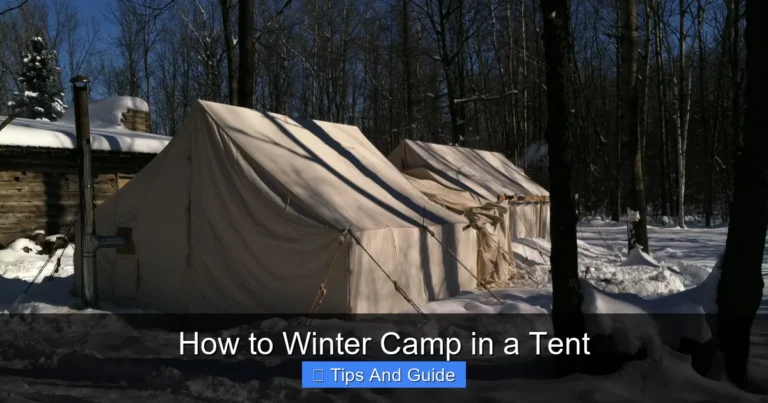
If you’re camping in colder months, learn how to stay warm when tent camping with tips on layering, tent insulation, and heat retention strategies.
Cooking and Food Supplies
Good food fuels great adventures. But cooking in the wild requires planning and the right gear.
Camp Stove and Fuel
A portable camp stove is the most reliable way to cook. Propane or butane stoves are easy to use; liquid fuel stoves work better in cold weather. Always bring extra fuel and a lighter or matches in a waterproof container.
Cookware and Utensils
Pack a lightweight pot, pan, and utensils. A spork or camping cutlery set saves space. Don’t forget a mug, bowl, and plate—biodegradable options are eco-friendly. A small sponge and biodegradable soap make cleanup easier.
Food Storage and Safety
Use airtight containers to keep food fresh and critters out. Store perishables in a cooler with ice packs. Never leave food in your tent—bears and raccoons have keen noses. For detailed advice, visit our guide on how to store food when tent camping, which covers bear bags, coolers, and safe food handling.
Safety, Navigation, and Emergency Gear
Nature is beautiful but unpredictable. Being prepared for emergencies is part of responsible camping.
First Aid Kit
Your kit should include bandages, antiseptic wipes, tweezers, pain relievers, and any personal medications. Add blister treatment and allergy meds if needed. Keep it in a waterproof bag and know how to use everything inside.
Lighting and Navigation
Bring a headlamp (hands-free is best) and extra batteries. A lantern lights up your whole campsite. Always carry a map and compass—even if you have GPS, batteries die and signals drop. A whistle can signal for help if you’re lost.
Multi-Tool and Fire Starters
A multi-tool with pliers, knife, and screwdrivers handles small repairs and food prep. Pack fire starters like waterproof matches, a ferro rod, or firestarter cubes. Check local fire regulations before building a campfire.
Personal Items and Camp Comfort
Small comforts make a big difference when you’re miles from home.
Hygiene and Sanitation
Pack biodegradable soap, toothbrush, toothpaste, and hand sanitizer. Bring toilet paper and a small trowel to dig a cathole 6–8 inches deep for waste disposal—always pack out toilet paper in sensitive areas. A portable camp shower or wet wipes can help you stay fresh.
Camp Furniture and Extras
A lightweight camp chair and table add comfort. A battery-powered lantern or string lights create a cozy atmosphere. Don’t forget entertainment: books, cards, or a journal can enhance downtime. If you’re bringing a dog, check out how to take a dog tent camping for pet-specific tips.
Conclusion: Pack Smart, Camp Happy
Knowing what to bring when tent camping isn’t about memorizing a long list—it’s about understanding your needs and the environment you’ll be in. Start with the essentials: shelter, sleep, food, safety, and personal items. Then add comforts that make the experience uniquely yours. With the right gear and a little preparation, your tent camping trip can be safe, enjoyable, and unforgettable.
Remember, every trip is a learning experience. After your adventure, take notes on what worked and what didn’t. Over time, you’ll refine your packing list and become a more confident camper. So grab your gear, head outdoors, and make some memories under the open sky.
Frequently Asked Questions
What should I bring for a first-time tent camping trip?
Start with the basics: a tent, sleeping bag, sleeping pad, camp stove, food, water, first aid kit, and weather-appropriate clothing. Don’t forget a flashlight, map, and toiletries. Keep it simple and focus on comfort and safety.
How do I keep my tent dry in the rain?
Use a full-coverage rainfly, place a ground tarp under the tent, and ensure proper ventilation to reduce condensation. Avoid drying wet clothes inside the tent. For more tips, read how to waterproof a camping tent.
Can I camp without a camp stove?
Yes, you can cook over a campfire if allowed and safe. Bring fire starters and use a grill grate. Alternatively, pack ready-to-eat meals like sandwiches, nuts, and energy bars.
What’s the best way to stay warm at night in a tent?
Use a sleeping bag rated for the temperature, add a sleeping pad for insulation, and wear warm base layers. A hot water bottle in your sleeping bag can also help. Learn more in our guide on best way to stay warm tent camping.
How much water should I bring when tent camping?
Plan for at least one gallon per person per day for drinking, cooking, and cleaning. If there’s no water source at your site, bring extra or a portable filter for refilling from natural sources.
Do I need a permit to camp in a tent?
It depends on the location. National parks, state forests, and private campgrounds often require reservations or permits. Always check local regulations before you go.