What Tent Is Best for Camping
Choosing the right tent can make or break your camping experience. The best tent for camping depends on factors like group size, weather conditions, and trip type. This guide breaks down everything you need to know to pick the perfect shelter for your next outdoor adventure.
Camping is one of the most rewarding ways to connect with nature, unwind from daily stress, and create lasting memories. But let’s be honest—nobody wants to spend their weekend shivering in a leaky, cramped, or poorly designed tent. That’s why choosing the right shelter is step one to a successful trip. So, what tent is best for camping? The answer isn’t one-size-fits-all. It depends on who you’re going with, where you’re headed, what the weather might throw at you, and how much you’re willing to carry.
Whether you’re a solo adventurer seeking solitude on a mountain trail, a family planning a weekend at the lake, or a couple looking for a romantic forest getaway, your ideal tent will look very different. A ultralight backpacking tent won’t cut it for a family of five, and a massive 8-person cabin tent is overkill for a quick overnight hike. The good news? With so many options on the market today, there’s a perfect match out there for every kind of camper. In this guide, we’ll walk you through the key factors to consider so you can confidently pick the best tent for your next outdoor escape.
Key Takeaways
- Size matters: Pick a tent with enough space for your group plus gear—add 1–2 extra people to the labeled capacity for comfort.
- Season rating is crucial: 3-season tents work for most weather, but 4-season tents are needed for snow and high winds.
- Weight and portability count: Backpackers need lightweight options under 5 lbs, while car campers can prioritize space and features.
- Waterproofing and ventilation prevent disasters: Look for a high hydrostatic head rating and mesh panels to avoid condensation.
- Setup ease saves time and stress: Instant or pop-up tents are great for beginners or families with kids.
- Venture beyond basics: Consider accessories like air mattresses or portable AC units for added comfort in extreme climates.
📑 Table of Contents
Understand Your Camping Style
Before you even look at tent models, take a moment to think about how you camp. Are you loading up the SUV for a weekend at a developed campground, or are you trekking miles into the backcountry with everything on your back? Your camping style directly impacts what features matter most.
Car Camping vs. Backpacking
If you’re driving to your site and don’t mind a little extra weight, car camping gives you the freedom to choose larger, more comfortable tents. You can prioritize features like room dividers, tall ceilings, and built-in storage pockets. On the other hand, backpackers need to minimize weight and pack size. Every ounce counts when you’re hiking 10 miles with a full pack. For them, a lightweight, compact 2- or 3-person tent is often the sweet spot.
For example, if you’re planning a family trip with kids, you might consider the best 6 person tent for family camping, which offers ample space and often includes vestibules for gear storage. Meanwhile, solo travelers or minimalist campers might prefer the best tent for solo camping, designed for efficiency and ease of setup.
Season and Weather Conditions
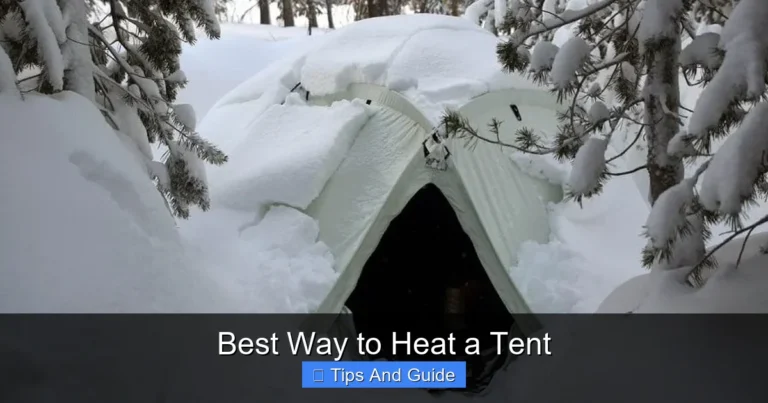
Not all tents are built to handle the same conditions. Most campers opt for 3-season tents, which are designed for spring, summer, and fall. They offer great ventilation, mesh windows, and decent rain protection. But if you’re heading into snowy mountains or facing strong coastal winds, you’ll need a 4-season tent. These are heavier, more durable, and built to withstand harsh elements.
For rainy climates, check out the best tent for rainy camping, which highlights models with superior waterproof coatings and bathtub floors to keep moisture out. Similarly, if you’re camping in hot, humid areas, look for tents with large mesh panels and sunshade compatibility to improve airflow.
Choose the Right Size and Capacity
Tent manufacturers often label tents by the number of people they can sleep—like “2-person” or “6-person.” But here’s the catch: those numbers assume minimal space, like sleeping bags packed tightly together. For real comfort, especially if you’re sharing with kids or pets, it’s wise to go one size up.
Sleeping Space and Gear Storage
A good rule of thumb is to subtract one or two people from the stated capacity. So a 4-person tent is really better for two or three people who want room to stretch and store backpacks, boots, and coolers. Look for tents with vestibules—covered areas outside the main door—where you can stash wet gear without tracking it inside.
Families should consider models like the best big tent for camping, which often includes multiple rooms or a central living area. These are perfect for longer trips where privacy and organization matter.
Height and Interior Design
Tall campers or those who like to sit up in bed will appreciate a tent with a high peak height—ideally over 6 feet. Some tents even feature near-vertical walls, giving you more usable floor space and a roomier feel. Interior pockets, gear lofts, and lantern hooks are small details that make a big difference in daily comfort.
Prioritize Weather Resistance and Durability
A tent is your first line of defense against the elements. No one wants to wake up in a puddle because their tent leaked during a midnight storm. That’s why weather resistance should be a top priority.
Waterproof Ratings and Materials
Check the hydrostatic head (HH) rating on the rainfly and floor. A rating of 1,500mm or higher is generally sufficient for light to moderate rain, while 3,000mm+ is ideal for heavy downpours. Look for taped seams and a full-coverage rainfly that extends close to the ground.
The floor material should be thick and durable—150D or higher denier fabric resists punctures from rocks and roots. For extra protection, always use a footprint or tarp underneath your tent.
Wind and Storm Performance
In windy areas like beaches or open fields, a sturdy frame is essential. Aluminum poles are lighter and more flexible than fiberglass, making them better at absorbing gusts without breaking. Look for a dome or geodesic design, which distributes wind force more evenly than a simple A-frame.
If you’re planning a coastal adventure, the best tent for windy beach camping offers excellent stability and sand-resistant features.
Consider Setup Ease and Portability
Let’s face it—nobody wants to spend 30 minutes wrestling with poles and instructions after a long drive. The easier a tent is to set up, the more enjoyable your trip will be.
Instant and Pop-Up Tents
Instant tents, like those from Coleman or CORE, use pre-attached poles that snap into place in under two minutes. These are perfect for families, beginners, or anyone who values convenience. Pop-up tents take it a step further—just unfold and they spring into shape. Great for quick setups, though they may not be as durable in extreme weather.
For car campers who want speed and simplicity, the Coleman Instant vs Camping Tent 2 comparison can help you decide if the trade-offs are worth it.
Packed Weight and Size
Backpackers should aim for tents under 5 pounds total, with a packed size that fits comfortably in a backpack. Ultralight models can go as low as 2 pounds, but often sacrifice space and durability. Car campers have more flexibility—weight isn’t as critical when you’re not carrying it far.
Don’t Forget Comfort and Extras
Once you’ve covered the basics, think about what will make your nights more comfortable. After all, camping should feel like a retreat, not a survival challenge.
Ventilation and Condensation Control
Mesh panels and adjustable vents help reduce condensation, which forms when warm, moist air meets cooler tent walls. Without proper airflow, you’ll wake up to a damp interior—even if it didn’t rain. Look for tents with multiple vents and a rainfly that doesn’t fully seal off airflow.
Sleeping Setup and Accessories
A good night’s sleep starts with a quality sleeping pad or air mattress. For added comfort, check out the best air mattress for tent camping, which reviews top models for support and insulation. Pair it with a warm sleeping bag rated for the expected temperatures.
In hot climates, consider pairing your tent with a portable cooling solution. The best air conditioners for tent camping can make a huge difference in comfort during summer trips.
Final Tips for Choosing the Best Tent
When shopping, read real customer reviews—especially those mentioning long-term use and weather performance. Brands like REI, MSR, Coleman, and Big Agnes are known for quality, but always compare features, not just price. And remember: the best tent is the one that matches your specific needs, not the one with the most bells and whistles.
Test your tent at home before your trip. Practice setup, check for missing parts, and make sure everything fits in your vehicle. A little prep goes a long way in avoiding frustration at the campsite.
Ultimately, the question “what tent is best for camping?” has a personal answer. Whether you’re chasing solitude in the woods or hosting a family reunion under the stars, the right tent will keep you dry, comfortable, and ready to enjoy every moment outdoors.
Frequently Asked Questions
What size tent do I need for 4 people?
For four people, choose a 6-person tent for comfortable sleeping and gear storage. A 4-person tent will fit everyone, but it will be tight—especially if you have backpacks or coolers.
Can I use a 3-season tent in winter?
It’s not recommended. 3-season tents lack the strength and insulation needed for snow and high winds. Use a 4-season tent for winter camping to stay safe and warm.
How do I keep my tent from leaking?
Use a waterproof rainfly, seal seams, and place a tarp under the tent. Avoid pitching on slopes or in low spots where water can pool.
Are instant tents durable?
Many instant tents are durable for casual use, but may not hold up in extreme weather. Check reviews and choose models with strong poles and quality fabric.
Do I need a tent footprint?
Yes, a footprint protects the tent floor from abrasion and moisture. It also makes cleanup easier and extends the life of your tent.
Can I camp in a tent during a thunderstorm?
It’s not safe. Avoid open fields and tall trees. If caught in a storm, stay low, avoid metal poles, and wait it out in your vehicle if possible.