What Size Tent Do I Need for Camping
Choosing the right size tent for camping is essential for comfort, safety, and enjoyment. This guide breaks down everything you need to know—from occupancy ratings to gear space—so you can pick the ideal tent for solo trips, family outings, or group adventures.
So, you’re planning your next camping trip—maybe a weekend in the woods, a family getaway, or a solo escape into nature. You’ve got your sleeping bag, flashlight, and trail mix ready. But there’s one big decision still hanging over you: what size tent do I need for camping?
It’s a question more campers ask than you’d think. And honestly, it’s one of the most important. A tent that’s too small leaves you cramped and uncomfortable. One that’s too big? It’s heavy, hard to set up, and overkill for your needs. Getting the right size means better sleep, easier organization, and a more enjoyable outdoor experience.
In this guide, we’ll walk you through everything you need to know to choose the perfect tent size—whether you’re camping alone, with a partner, or leading a group of eight. We’ll cover capacity ratings, gear space, weather considerations, and even tips for families and car campers. By the end, you’ll know exactly what size tent you need for camping—no guesswork required.
Key Takeaways
- Understand tent capacity ratings: Tents are labeled by the number of people they can sleep, but these numbers often assume minimal space—plan for one size larger than advertised.
- Factor in gear storage: You’ll need extra room for backpacks, coolers, and clothing, especially on longer trips or in bad weather.
- Consider camping style: Car campers can afford bigger tents, while backpackers need lightweight, compact options.
- Account for weather conditions: Rain, wind, or snow may require more interior space for comfort and safety.
- Choose based on group size and dynamics: Families with kids or couples may want extra privacy and space, influencing tent size needs.
- Look at floor dimensions, not just capacity: A 4-person tent from one brand might feel tighter than another—always check actual floor area.
- Upgrade for comfort: A little extra space goes a long way in improving sleep quality and overall camping experience.
📑 Table of Contents
How Tent Capacity Ratings Work
Most tents are labeled with a number—2-person, 4-person, 6-person—but what does that really mean? Manufacturers base these ratings on the assumption that each person needs about 15 to 20 square feet of floor space and sleeps shoulder-to-shoulder like sardines. So a “4-person tent” is designed to fit four average-sized adults lying down, with minimal personal space.
But here’s the catch: those ratings don’t account for gear, movement, or comfort. If you’re camping with backpacks, boots, or a dog, you’ll quickly feel cramped. That’s why many experienced campers recommend sizing up. For example, if you’re two people, consider a 3- or 4-person tent. This gives you room to stretch, store belongings, and actually enjoy your time inside.
Real-World Examples
Let’s say you’re a couple planning a romantic lakeside getaway. A 2-person tent might technically fit you both, but you’ll be bumping elbows all night. Opt for a best 3 person tent for camping instead—it offers extra space for your gear and a more relaxed sleeping area.
Similarly, a family of four shouldn’t automatically grab a 4-person tent. Kids take up less space, yes, but they also bring toys, stuffed animals, and extra clothes. A best 6 person tent for family camping gives everyone breathing room and a designated spot for bags and boots.
Factor in Your Gear and Belongings
One of the biggest mistakes new campers make is forgetting about gear. Your tent isn’t just for sleeping—it’s your shelter, your storage unit, and sometimes your living room. Think about what you’ll bring: backpacks, hiking boots, a cooler, cooking supplies, extra layers, and maybe even a camp chair.
All that stuff needs a home. If your tent is packed tight with people, there’s no room for anything else. And when rain hits, you’ll be grateful for dry, organized storage inside.
How Much Space Do You Really Need?
A good rule of thumb: add at least 10–15 square feet per person for gear storage. So if you’re two people, aim for a tent with at least 50–60 square feet of floor space. That’s roughly the size of a small bedroom—enough to sleep comfortably and keep your essentials dry and accessible.
For longer trips or colder weather, you’ll need even more space. Winter camping means bulkier clothes, heavier sleeping bags, and possibly a portable heater. In those cases, a larger tent isn’t a luxury—it’s a necessity.
Camping Style Matters: Car Camping vs. Backpacking
Your camping style plays a huge role in tent size. Are you driving up to the campsite with a trunk full of gear? Or are you hiking miles into the backcountry with everything on your back?
Car Camping: Go Big and Comfortable
If you’re car camping, weight and portability aren’t as big of concerns. You can bring a larger, heavier tent without worrying about carrying it far. This is the perfect time to prioritize comfort.
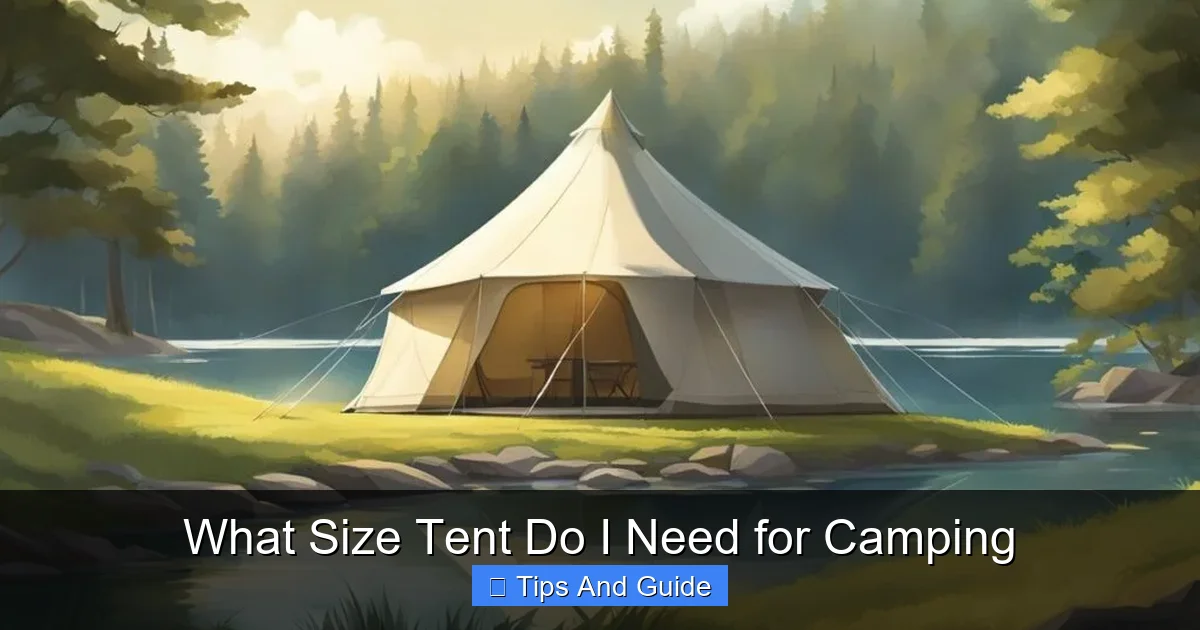
A best big tent for camping might be ideal—something with multiple rooms, a vestibule for gear, and even space for a small table or camp stove. Families, groups, or anyone who values indoor comfort will love the extra room.
Backpacking: Lightweight and Compact
Backpackers need to keep things light and small. Every ounce counts when you’re hiking 10 miles with a full pack. In this case, a 2-person tent for two people might be the right call—even if it’s snug.
Look for ultralight materials, compact packing sizes, and easy setup. Some of the best air up tent for camping models are great for backpackers—they’re lightweight, quick to inflate, and save space in your pack.
Weather and Seasonal Considerations
The weather you’re camping in can influence your tent size needs. A sunny weekend in spring? You might not spend much time inside. But if you’re camping in the rain, snow, or extreme heat, your tent becomes your main shelter—and you’ll want it to be spacious and comfortable.
Rainy or Stormy Weather
Wet conditions mean you’ll be spending more time in your tent—reading, playing cards, or just waiting out the storm. A cramped space gets old fast. Plus, wet gear takes up more room and needs to dry safely.
In rainy climates, consider a tent with a large vestibule or even a second room. This gives you a dry area to store muddy boots and damp jackets without tracking them inside.
Cold Weather and Winter Camping
Winter camping requires bulkier gear: thick sleeping bags, insulated pads, and extra layers. You’ll also want space to move around, change clothes, and possibly use a small heater.
A 4-season tent is a must for snow, but size matters too. A best tent for snow camping should have enough room for all your gear and allow for some movement without knocking over your stove or lantern.
Group Size and Dynamics
Who’s coming with you? That’s a key question when choosing tent size. A solo camper has very different needs than a family of five or a group of friends.
Solo Campers
If you’re camping alone, a 1-person tent might seem obvious. But many solo adventurers prefer a 2-person tent for the extra space. It gives you room for your pack, a chair, and maybe even a small table. Plus, it feels less claustrophobic.
Check out the best tent for solo camping options—they’re designed with comfort and efficiency in mind.
Families with Kids
Kids love adventure, but they also love their stuff. Toys, books, extra clothes—it all adds up. A family of four should seriously consider a 6- or 8-person tent, especially if you want separate sleeping areas or a central living space.
Some families even use a large cabin-style tent with room dividers. This lets parents have privacy while keeping an eye on the kids. For more ideas, see the best 8 person tent for camping.
Couples and Friends
Couples often appreciate a little extra room for romance and relaxation. A 3- or 4-person tent gives you space to stretch out, store your gear, and maybe even bring a small camp cot.
For groups of friends, consider multiple smaller tents or one large group tent. It depends on your dynamic—do you want to stay together or have some privacy?
Measuring Floor Space: Look Beyond the Label
Don’t just trust the “4-person” label—check the actual floor dimensions. Tents come in different shapes: dome, cabin, tunnel, and more. A long, narrow tent might fit four people on paper, but it won’t feel spacious.
Look for floor area in square feet. A good 4-person tent should have at least 60 square feet. Compare brands and models side by side. Sometimes a “3-person” tent from one brand feels roomier than a “4-person” from another.
Also, consider ceiling height. If you like to sit up in your tent, look for a model with a peak height of at least 5 feet. Cabin-style tents often have vertical walls and higher ceilings, making them feel more like a room than a cave.
Final Tips for Choosing the Right Tent Size
Before you buy, ask yourself these questions:
– How many people are camping?
– How much gear will we bring?
– Are we car camping or backpacking?
– What’s the weather forecast?
– Do we need privacy or extra storage?
And remember: when in doubt, size up. A little extra space makes a big difference in comfort and enjoyment.
Your tent is your home away from home. Make sure it’s the right size for your adventure.
Frequently Asked Questions
How do I know if a tent is too small?
If you’re constantly bumping into your gear or your partner, or if there’s no room to store your backpack inside, the tent is likely too small. You should be able to lie down comfortably and have space for your essentials.
Can I fit more people in a tent than it’s rated for?
Technically, yes—but it’s not recommended. Overcrowding leads to discomfort, poor ventilation, and less gear space. Stick to the rating or size up for better comfort.
Do I need a bigger tent if I’m camping in the rain?
Yes, especially if you’ll be spending more time inside. A larger tent gives you room to dry gear, move around, and stay comfortable during long storms.
What’s the best tent size for a family of four?
A 6- or 8-person tent is ideal. It provides enough space for sleeping, gear storage, and a small living area—especially helpful with kids.
Is a 2-person tent big enough for two people?
It can be, but only if you don’t mind tight quarters. For comfort and gear storage, many couples prefer a 3- or 4-person tent.
Should I buy a tent with extra rooms?
If you’re car camping with family or gear-heavy trips, yes. Extra rooms offer privacy, storage, and better organization—making your trip more enjoyable.