What Should I Bring Tent Camping
Heading out on a tent camping trip? Don’t forget the essentials! This guide covers everything you need to pack for comfort, safety, and fun in the great outdoors.
So, you’ve decided to go tent camping—awesome! Whether you’re escaping to the mountains, forests, or a lakeside campground, spending a night (or a few) under the stars is one of the most rewarding outdoor experiences. But before you unroll that sleeping bag and toast marshmallows over a crackling fire, there’s one big question: *What should I bring tent camping?*
Packing for a camping trip can feel overwhelming, especially if it’s your first time. Do you need a fancy tent? What about cooking gear? And what happens if it rains? Don’t worry—we’ve got you covered. This guide breaks down everything you need to pack for a safe, comfortable, and fun tent camping adventure. From shelter and sleep systems to food and first aid, we’ll walk you through each essential category so you can focus on enjoying nature, not stressing about your gear.
Key Takeaways
- Choose the right tent: Match your tent size and type to your group and weather conditions for maximum comfort.
- Pack a reliable sleeping system: Bring a sleeping bag rated for the season, a sleeping pad, and a pillow for restful sleep.
- Bring layered clothing: Dress in moisture-wicking base layers, insulating mid-layers, and waterproof outer layers.
- Don’t skip cooking gear: A portable stove, fuel, utensils, and easy meals make camp cooking simple and enjoyable.
- Prioritize safety and navigation: Pack a first aid kit, headlamp, map, compass, and emergency whistle.
- Include personal items and hygiene supplies: Toiletries, hand sanitizer, and a trowel help maintain cleanliness and comfort.
📑 Table of Contents
1. Shelter and Sleeping Essentials
Your tent is your home away from home, so choosing the right one is crucial. A good tent keeps you dry, safe, and comfortable no matter what the weather throws your way.
Choosing the Right Tent
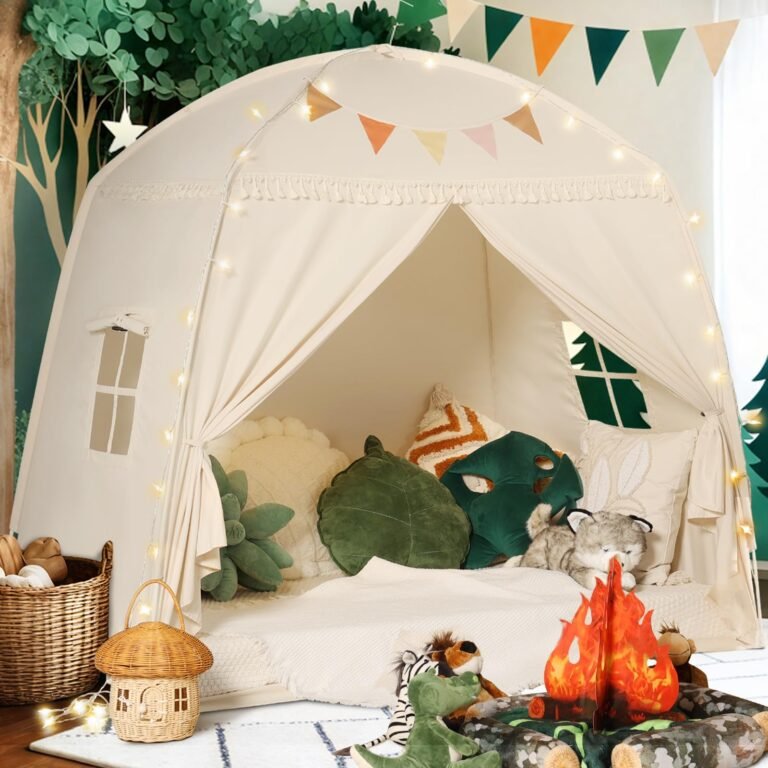
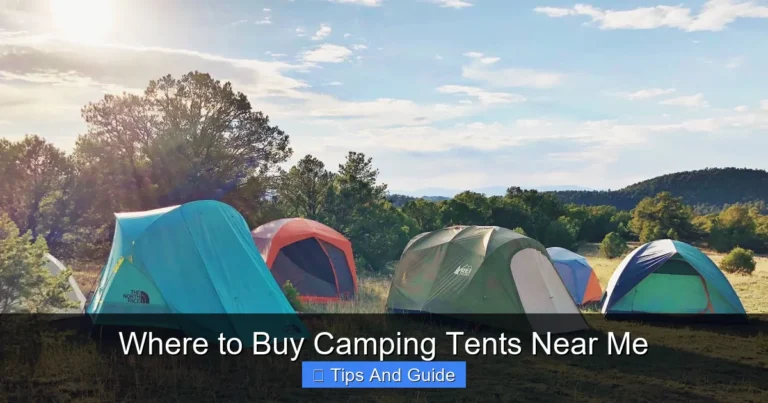
Start by picking a tent that fits your group size—aim for one that sleeps at least one more person than you have (e.g., a 3-person tent for two campers). This gives you extra space for gear. Consider the season too: 3-season tents work for spring, summer, and fall, while 4-season tents are built for harsh winter conditions. If you’re car camping, you might want a spacious option like the Best Big Family Camping Tent, which offers room to stand and store belongings.
Sleeping Bag and Pad
Your sleeping bag should match the expected temperature. Look for a rating that’s 10°F lower than the coldest night you’ll face. Pair it with a sleeping pad or air mattress for insulation from the ground and added comfort. For a cozy night’s sleep, check out the Best Air Mattress for Tent Camping—it’s a game-changer for comfort.
Pillows and Extra Blankets
Don’t forget a compact camping pillow or use a stuff sack filled with clothes. On chilly nights, an extra blanket can make all the difference. If you’re camping in colder climates, consider the Best Way to Stay Warm Tent Camping for smart layering tips.
2. Clothing and Footwear
What you wear camping matters—a lot. The right clothes keep you dry, warm, and comfortable from sunrise to sunset.
Dress in Layers
Layering is key. Start with a moisture-wicking base layer (avoid cotton—it stays wet and makes you cold). Add an insulating mid-layer like a fleece or down jacket. Top it off with a waterproof and windproof outer shell. This system lets you adjust as temperatures change throughout the day.
Footwear Matters
Bring sturdy, broken-in hiking boots for trails and a pair of lightweight camp shoes (like sandals or sneakers) for relaxing at the site. Always pack extra socks—wet feet lead to blisters and discomfort.
Rain and Sun Protection
Pack a lightweight rain jacket and pants, even if the forecast looks clear. Sun protection is just as important: bring a wide-brimmed hat, sunglasses, and sunscreen. A bandana or buff can double as a sun shield, sweatband, or emergency towel.
3. Cooking and Food Supplies
Eating well while camping doesn’t have to be complicated. With the right gear and planning, you can enjoy delicious meals under the stars.
Portable Stove and Fuel
A compact camping stove is a must unless you’re only cooking over a fire. Bring enough fuel canisters for your trip—better to have a little extra. Don’t forget a lighter or waterproof matches.
Cookware and Utensils
Pack a lightweight pot, pan, and utensils. A spork, knife, and reusable plates and cups save space and reduce waste. For easy cleanup, bring biodegradable soap and a small sponge.
Food and Snacks
Plan simple, non-perishable meals: oatmeal for breakfast, sandwiches or wraps for lunch, and pasta or dehydrated meals for dinner. Bring plenty of snacks like trail mix, granola bars, and fruit. Store food in bear-proof containers or hang it away from your tent if you’re in bear country.
4. Lighting and Power
When the sun goes down, you’ll need reliable light sources to navigate your campsite and stay safe.
Headlamps and Flashlights
A headlamp is ideal—it keeps your hands free for setting up camp or cooking. Bring extra batteries or choose a rechargeable model. A small flashlight is a good backup.
Portable Power and Chargers
If you’re bringing electronics (phone, camera, GPS), pack a portable power bank. Some campers use solar chargers for longer trips. Just remember: many campsites don’t have outlets, so plan accordingly.
Lanterns for Ambiance
A battery-powered lantern creates a cozy campsite atmosphere and lights up your entire tent area. Hang it from the roof of your tent or place it on a table for group activities.
5. Safety and Navigation Tools
Safety should always come first. Being prepared for emergencies can turn a potential disaster into a minor hiccup.
First Aid Kit
Pack a basic first aid kit with bandages, antiseptic wipes, tweezers, pain relievers, and any personal medications. Add blister treatment—hiking can be tough on feet.
Navigation Essentials
Even if you’re using a GPS or phone app, always carry a physical map and compass. Batteries die, signals drop, but a compass never fails. Know how to use it before you go.
Emergency Whistle and Fire Starter
A whistle can signal for help if you get lost. Include waterproof matches, a lighter, or a fire starter kit. Practice building a fire before your trip—wet wood and wind can make it tricky.
6. Personal Items and Hygiene
Staying clean and comfortable makes camping much more enjoyable, especially on multi-day trips.
Toiletries and Sanitation
Pack travel-sized toothpaste, toothbrush, biodegradable soap, and hand sanitizer. Use a trowel to dig a cathole (6–8 inches deep) for human waste, and pack out toilet paper in a sealed bag.
Quick-Dry Towel and Wet Wipes
A small, quick-dry towel is perfect for drying off after a swim or quick wash. Wet wipes are great for freshening up when water is scarce.
Trash Bags and Ziplocks
Pack out everything you pack in. Use trash bags to collect waste and Ziplock bags to keep items dry or organize small gear.
7. Extras and Comfort Items
These aren’t essentials, but they can make your trip more enjoyable.
Camping Chairs and Table
A foldable chair and small camp table give you a place to sit and eat. They’re especially nice for car camping where space isn’t an issue.
Entertainment
Bring a book, cards, or a small speaker (keep volume low to respect others). Stargazing, journaling, or playing guitar around the fire are classic camping pastimes.
Weather-Specific Gear
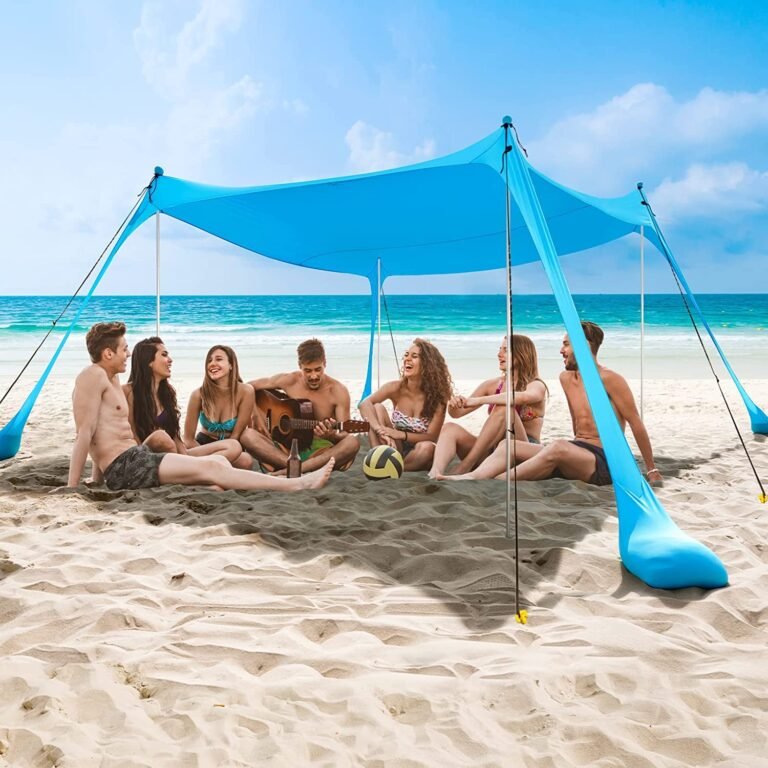
If you’re camping in hot weather, consider the Best Way to Stay Cool Tent Camping for tips on ventilation and shade. For beach trips, a Best Beach Camping Tent offers sun protection and wind resistance.
Final Tips for a Smooth Trip
Before you head out, do a gear check at home. Lay everything out and make sure you have all the essentials. Test your tent, stove, and lights. Share your itinerary with someone who’s not going, and check the weather forecast. Finally, leave no trace: pack out all trash, minimize campfire impact, and respect wildlife.
Camping is about simplicity, connection, and adventure. With the right gear and mindset, you’ll create memories that last a lifetime. So pack smart, stay safe, and enjoy every moment under the open sky.
Frequently Asked Questions
What should I bring tent camping for the first time?
Start with the basics: a tent, sleeping bag, sleeping pad, flashlight, first aid kit, and enough food and water. Focus on comfort and safety, and don’t overpack. A simple checklist helps ensure you don’t forget anything important.
Do I need a tarp under my tent?
Yes! A tarp or footprint protects your tent floor from rocks, roots, and moisture. Cut it slightly smaller than your tent base to prevent water from pooling underneath.
How do I stay warm while tent camping?
Use a sleeping bag rated for the temperature, sleep on an insulated pad, and wear warm base layers. Add a hot water bottle to your sleeping bag or use a tent heater if safe and allowed.
Can I bring my dog tent camping?
Absolutely! Just make sure your dog is comfortable with the tent, bring their food, water, leash, and a bed or blanket. Check campground rules about pets first.
What’s the best way to cook while tent camping?
A portable camping stove is reliable and easy to use. Pre-pack meals to save time, and always clean up thoroughly to avoid attracting animals.
How much water should I bring camping?
Plan for at least one gallon per person per day for drinking, cooking, and cleaning. Bring a water filter or purification tablets if you’re refilling from natural sources.