Best Ways to Keep a Tent Cool
Staying cool in a tent during summer or hot climates doesn’t have to be a challenge. With smart strategies like maximizing airflow, using reflective materials, and choosing the right gear, you can beat the heat and enjoy a restful night under the stars.
Key Takeaways
- Choose a shaded campsite: Setting up under trees or natural cover reduces direct sun exposure and keeps your tent significantly cooler.
- Maximize ventilation: Open all vents, windows, and doors to encourage cross-breezes and improve air circulation inside the tent.
- Use a reflective tarp or sunshade: Placing a reflective tarp above your tent deflects sunlight and reduces heat absorption.
- Opt for light-colored tents: Light fabrics reflect sunlight better than dark ones, helping maintain lower interior temperatures.
- Bring portable cooling gear: Battery-powered fans, evaporative coolers, or cooling towels can make a big difference on hot nights.
- Sleep on breathable bedding: Use moisture-wicking sheets and lightweight sleeping pads to stay comfortable and dry.
- Avoid cooking inside the tent: Cooking generates heat and humidity—always prepare meals outside to keep your tent cool and safe.
📑 Table of Contents
Why Keeping Your Tent Cool Matters
Nothing ruins a camping trip faster than a sweltering tent. When temperatures rise, your shelter can quickly turn into an oven—especially during summer months or in desert climates. High heat not only makes it hard to sleep but can also lead to dehydration, heat exhaustion, or disrupted rest. That’s why learning the best ways to keep a tent cool is essential for any outdoor adventurer.
Thankfully, staying cool doesn’t require expensive gear or complicated setups. With a few smart choices before and during your trip, you can create a comfortable, breathable space that stays refreshing even on the hottest days. From selecting the right campsite to using simple cooling tools, these strategies are easy to implement and highly effective.
Pick the Right Campsite for Natural Cooling
One of the most impactful decisions you can make is where you set up your tent. A well-chosen location can naturally reduce heat buildup and improve airflow, giving you a head start on comfort.
Visual guide about Best Ways to Keep a Tent Cool
Image source: wikihow.com
Look for Shade and Tree Cover
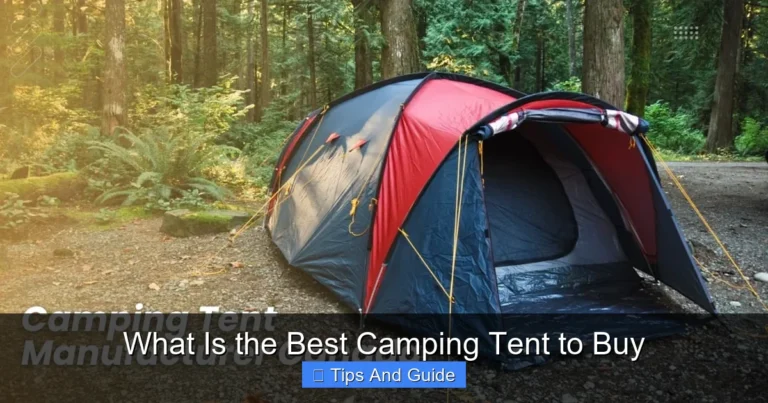
Setting up under trees or near natural shade sources like rock formations or hills can dramatically lower the temperature inside your tent. Trees not only block direct sunlight but also release moisture through transpiration, which has a mild cooling effect. Just be sure to avoid dead branches or unstable trees that could pose a safety risk.
Avoid Low-Lying Areas
Heat tends to settle in valleys and depressions, especially at night. Instead, aim for slightly elevated ground where air circulates more freely. This also helps prevent cold air pooling and improves overall ventilation.
Face the Tent for Best Breeze
Position your tent so that the main entrance faces the prevailing wind direction. This simple adjustment encourages natural airflow through the tent, helping to flush out warm air and bring in cooler breezes. If you’re unsure of wind patterns, observe how leaves or grass move when you arrive.
Maximize Ventilation for Airflow
Good airflow is your best friend when trying to keep a tent cool. Tents are designed with ventilation in mind, but many campers don’t use these features to their full advantage.
Open All Vents and Windows
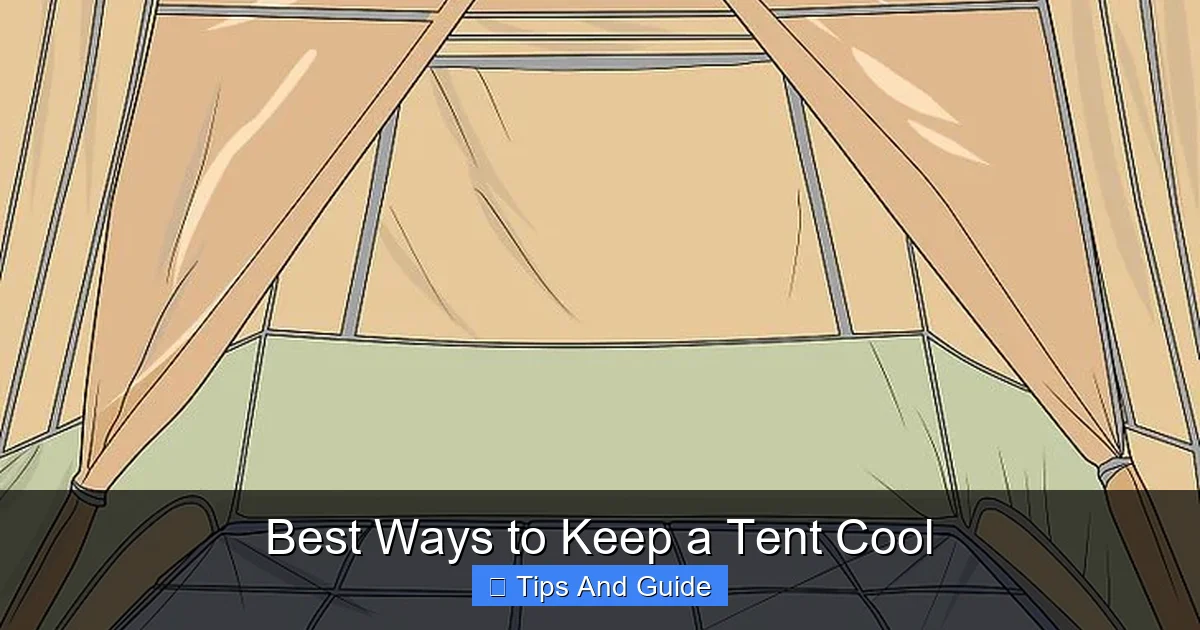
Most modern tents come with mesh windows, roof vents, and side panels specifically for airflow. Make sure all of these are fully open during the day and at night. Mesh panels allow air to pass through while keeping bugs out—just ensure your rainfly is properly positioned to protect against unexpected showers.
Use a Tent Fan for Extra Circulation
A small, battery-powered or USB-powered fan can make a huge difference. Place it near the entrance or inside the tent to push hot air out and draw cooler air in. Some campers even use clip-on fans that attach directly to tent poles. For longer trips, consider a solar-powered fan to reduce battery dependency.
Create a Cross-Breeze
If your tent has multiple doors or windows on opposite sides, open them both to create a cross-breeze. This setup mimics natural wind flow and helps cool the interior more efficiently. Even a gentle breeze can lower the perceived temperature by several degrees.
Use Reflective Tarps and Sunshades
One of the most effective ways to keep a tent cool is to prevent heat from building up in the first place. A reflective tarp or sunshade placed above your tent can block up to 90% of solar radiation.
Set Up a Reflective Roof Cover
Use a silver or white reflective tarp suspended a few inches above your tent roof. This creates an air gap that prevents direct heat transfer while reflecting sunlight away. You can secure it with paracord and stakes, or use a dedicated sunshade designed for camping.
Anchor Sidewall Shades
For extra protection, add side tarps or shade cloths to block morning and afternoon sun. These are especially helpful if your campsite lacks natural shade. Look for breathable, UV-resistant fabrics that allow airflow while reducing heat gain.
DIY Cooling with Aluminum Foil
In a pinch, you can line the outside of your tent with aluminum foil or emergency blankets. While not as durable as a proper tarp, this quick fix reflects sunlight and can lower interior temperatures by several degrees. Just be cautious—foil can tear easily and may not hold up in wind.
Choose the Right Tent and Gear
The gear you bring plays a big role in how cool your tent stays. From tent color to sleeping materials, small details add up.
Go Light with Tent Color and Material
Light-colored tents—especially white, beige, or silver—reflect sunlight instead of absorbing it. Dark tents, while stylish, can become heat traps. If you’re buying a new tent, prioritize light colors and breathable fabrics like ripstop nylon with mesh panels.
Upgrade Your Sleeping Setup
Your sleeping gear affects how cool you feel at night. Use a lightweight, breathable sleeping bag or even just a sheet in hot weather. Pair it with a moisture-wicking sleeping pad that doesn’t trap heat. Some campers prefer hammocks or cots that allow air to flow underneath, reducing body heat buildup.
Avoid Heat-Generating Activities
Cooking, using electronics, or even breathing heavily can raise the temperature inside your tent. Always cook outside, and limit the use of battery-powered devices at night. If you must use a lantern, opt for LED lights, which produce minimal heat compared to incandescent bulbs.
Cooling Hacks and Accessories
Sometimes, a little extra help goes a long way. These practical accessories and DIY tricks can enhance your tent’s cooling power.
Use Evaporative Cooling Towels
Dampen a microfiber towel with cool water and place it near your head or over your body while sleeping. As the water evaporates, it draws heat away from your skin, creating a personal cooling effect. Re-wet it as needed throughout the night.
Freeze Water Bottles for Night Cooling
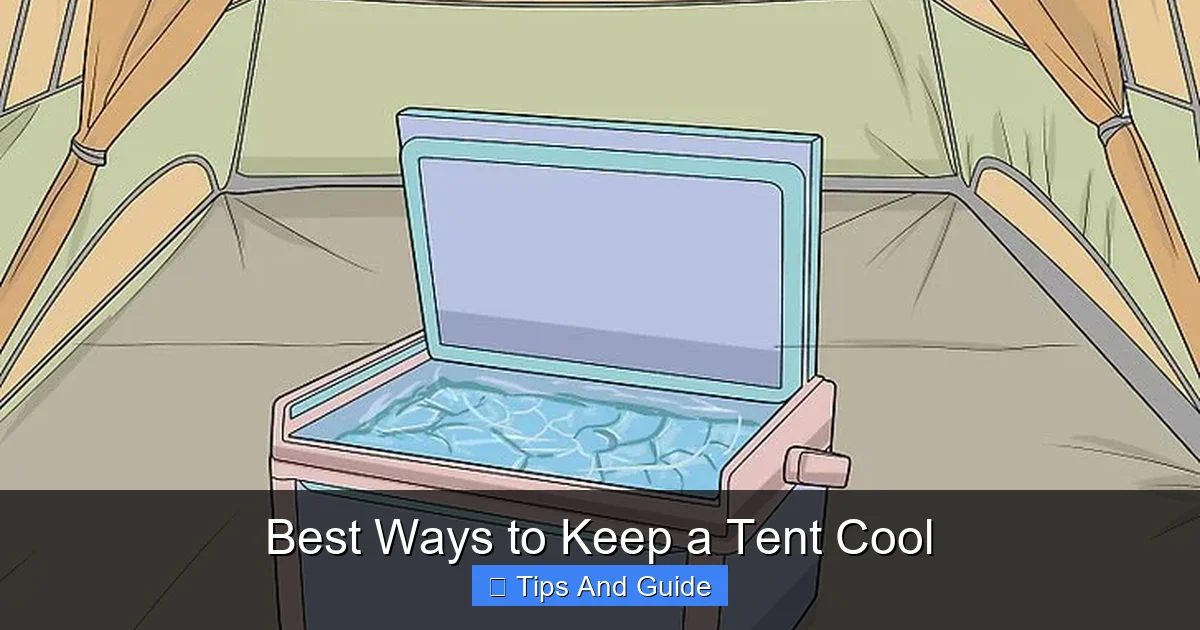
Fill reusable water bottles with water and freeze them before your trip. Place them inside the tent at night—they’ll slowly melt and release cool air. In the morning, you’ll have cold drinking water too. Just wrap them in a cloth to prevent condensation from wetting your gear.
Try a Battery-Powered Misting Fan
For extreme heat, a small misting fan can provide instant relief. These devices combine airflow with a fine water spray, lowering the ambient temperature through evaporation. Just be sure to use them in well-ventilated areas to avoid excess moisture buildup.
Timing and Routine Matter
When you do things can be just as important as what you do. Adjusting your daily routine helps keep your tent cooler around the clock.
Set Up Early or Late
Arrive at your campsite early in the morning or late in the afternoon to avoid setting up during peak heat. This gives your tent time to cool down before you settle in for the night.
Close Up During the Day
If you’re leaving the tent during the day, close all flaps and windows to keep hot air out. Think of it like closing blinds in a house to prevent the interior from heating up. When you return, open everything up to let the cool evening air in.
Sleep During Cooler Hours
In very hot regions, consider adjusting your sleep schedule. Go to bed later when temperatures drop, or take a midday nap in a shaded hammock instead of inside the tent.
Conclusion
Keeping your tent cool doesn’t require fancy gadgets or extreme measures. With smart site selection, proper ventilation, reflective covers, and the right gear, you can stay comfortable even in the hottest conditions. The best ways to keep a tent cool focus on prevention—blocking heat before it builds up—and enhancing natural airflow.
Remember, comfort is key to enjoying your outdoor adventure. Whether you’re camping in the desert, by the lake, or in a national park, these tips will help you beat the heat and wake up refreshed. For more detailed guides, check out our article on the best way to keep cool in a tent or explore how to keep a tent cool in summer. Stay cool, stay safe, and happy camping!
Frequently Asked Questions
What is the fastest way to cool down a hot tent?
The fastest way is to open all vents and windows, set up a battery-powered fan, and place a damp towel near your body. Adding a reflective tarp above the tent can also provide immediate relief by blocking sunlight.
Can I use an air conditioner in a tent?
Yes, but only if you have access to power. Portable camping air conditioners or evaporative coolers work well, but they require electricity. For off-grid trips, battery-powered fans and misting systems are better options.
Does tent color really affect temperature?
Absolutely. Light-colored tents reflect sunlight and stay cooler, while dark tents absorb heat. Choosing a white or silver tent can make a noticeable difference on sunny days.
How do I keep my tent cool without electricity?
Use natural ventilation, reflective tarps, frozen water bottles, and evaporative cooling towels. Position your tent in shade and avoid heat-generating activities inside.
Is it safe to sleep in a tent during extreme heat?
Yes, as long as you stay hydrated, avoid overexertion, and use cooling strategies. Monitor for signs of heat exhaustion, such as dizziness or nausea, and seek shade or medical help if needed.
Can I cool my tent with ice?
Yes, frozen water bottles or ice packs can help lower the temperature. Place them near your sleeping area, but wrap them in cloth to prevent condensation from damaging your gear.