Best Way to Wash Tent
Keeping your tent clean is essential for durability, performance, and hygiene. The best way to wash tent fabric involves gentle hand washing, mild soap, and proper drying—never machine wash or dry. Follow these expert steps to protect waterproof coatings and extend your tent’s life.
Key Takeaways
- Hand wash only: Avoid washing machines and harsh scrubbing to prevent damage to tent materials and coatings.
- Use mild soap: Choose a gentle, non-detergent cleaner like Nikwax Tech Wash or mild dish soap to preserve waterproofing.
- Rinse thoroughly: Leftover soap residue can attract dirt and weaken fabric over time.
- Dry completely before storing: Moisture leads to mold, mildew, and fabric degradation—always air dry in shade.
- Clean after every trip: Remove dirt, sand, and debris promptly to avoid long-term damage.
- Store dry and loosely packed: Never store a damp or tightly compressed tent to maintain its shape and function.
- Inspect for damage: Use cleaning time to check for tears, broken zippers, or worn seams that need repair.
📑 Table of Contents
Why Cleaning Your Tent Matters
Your tent is your home away from home—whether you’re camping in the mountains, by the lake, or deep in the forest. Over time, it collects dirt, sweat, food crumbs, and moisture. If left unchecked, these elements can break down the fabric, weaken seams, and ruin waterproof coatings. That’s why knowing the best way to wash tent gear is crucial for any outdoor enthusiast.
Many campers make the mistake of tossing their tent in the washing machine or using strong detergents. Unfortunately, this can strip away essential treatments like DWR (durable water repellent) and damage delicate materials. A clean tent not only lasts longer but also performs better in rain, wind, and cold. Plus, it smells fresher and feels more inviting after a long trip.
When Should You Wash Your Tent?
You don’t need to wash your tent after every single use—especially if it’s only been out for a night or two in dry conditions. However, there are clear signs that it’s time for a deep clean. If your tent has visible dirt, mud, or food stains, or if it smells musty, it’s time to take action.
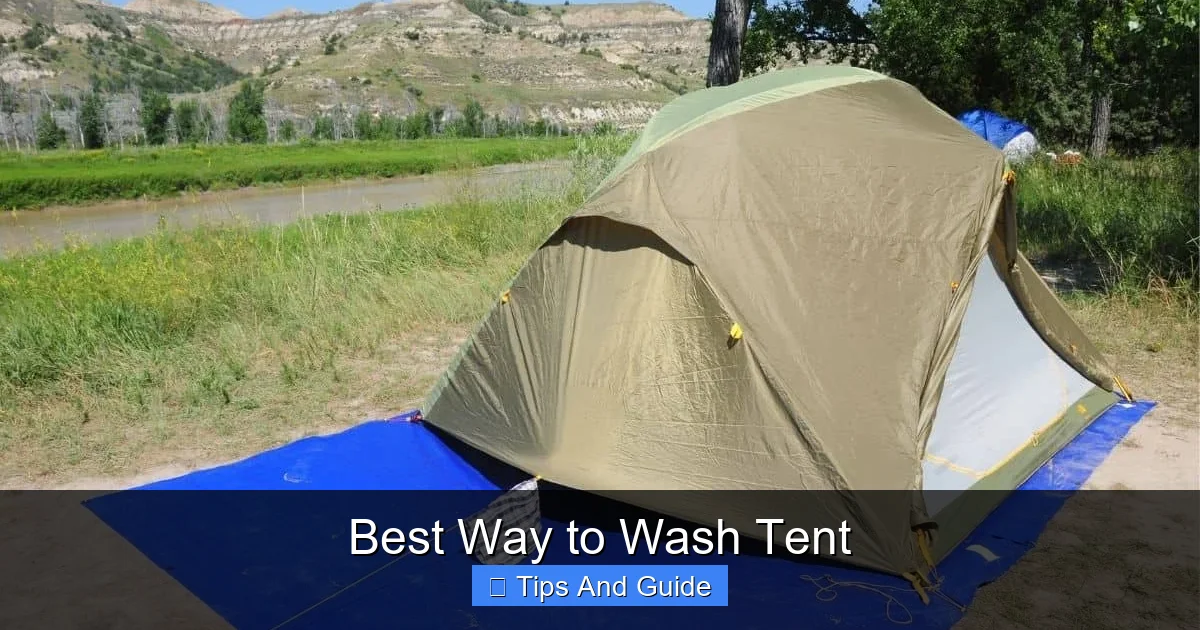
Visual guide about Best Way to Wash Tent
Image source: mountaintreads.com
After Extended Trips
If you’ve been camping for several days or in muddy, sandy, or dusty environments, a thorough wash is recommended. Sand and grit can act like sandpaper on fabric, while organic matter like food or sweat can attract pests or cause odors.
Before Long-Term Storage
Always clean your tent before storing it for the season. Storing a dirty or damp tent invites mold, mildew, and permanent damage. A clean, dry tent will be ready to go when your next adventure calls.
What You’ll Need to Wash Your Tent
Before you start, gather the right supplies. Using the wrong tools can do more harm than good. Here’s a simple checklist:
- A large tub, bathtub, or clean outdoor space (like a driveway or lawn)
- Mild soap (dish soap or specialized tent cleaner like Nikwax Tech Wash)
- Soft sponge or cloth
- Hose with gentle spray setting
- Clean towels
- Well-ventilated, shaded drying area
Avoid using bleach, fabric softeners, or strong detergents. These can degrade the tent’s waterproof coating and weaken the fabric. Also, never use a pressure washer—it’s too harsh and can tear seams or puncture the material.
Step-by-Step Guide to Washing Your Tent
Now that you’re prepared, let’s walk through the best way to wash tent fabric safely and effectively. Follow these steps to keep your tent in top condition.
1. Set Up in a Clean Area
Choose a flat, clean surface to lay out your tent. A driveway, garage floor, or large tarp works well. Make sure there are no sharp objects or debris that could puncture the fabric. If you’re using a bathtub, lay down a soft towel to protect the tent from scratches.
2. Shake Out Debris
Before washing, give your tent a good shake to remove loose dirt, leaves, and sand. Use a soft brush or your hands to gently dislodge any stubborn particles from the floor and walls. This prevents grinding dirt into the fabric during washing.
3. Prepare the Cleaning Solution
Fill a tub or large container with lukewarm water. Add a small amount of mild soap—about a teaspoon of dish soap or the recommended amount of a specialized cleaner. Swirl the water to mix, but avoid creating too many suds. Excess suds can be hard to rinse out completely.
4. Hand Wash Gently
Dip a soft sponge or cloth into the soapy water and gently scrub the tent floor, walls, and rainfly. Focus on stained or dirty areas, but avoid aggressive scrubbing. Pay special attention to the seam areas and zippers, where grime tends to build up. For tough spots, let the soap sit for a few minutes before wiping.
5. Rinse Thoroughly
Use a hose with a gentle spray to rinse off all soap. Start from the top and work your way down to ensure no residue is left behind. Soap left on the fabric can attract dirt and reduce water resistance. Rinse until the water runs clear and no suds remain.
6. Dry Completely
This step is critical. Hang your tent in a shaded, well-ventilated area to air dry. Never dry it in direct sunlight, as UV rays can weaken the fabric over time. Use clotheslines, tent poles, or a large frame to keep it spread out. Make sure both the inside and outside are completely dry—this may take 24 to 48 hours depending on humidity.
Once dry, give it one final inspection. Look for any remaining stains, damage, or moisture traps. If you find damp spots, let them dry fully before packing away.
Special Considerations for Different Tent Types
Not all tents are created equal. The best way to wash tent fabric may vary slightly depending on the material and design.
Canvas Tents
Canvas tents are more durable but heavier and slower to dry. They can handle a bit more scrubbing, but still avoid harsh detergents. After washing, allow extra time for drying—canvas holds moisture longer than synthetic fabrics. Consider using a fan or dehumidifier to speed up the process indoors.
Silnylon and Silpoly Tents
These lightweight materials are popular among backpackers. They’re sensitive to heat and abrasion, so extra care is needed. Use cold or lukewarm water and avoid wringing or twisting the fabric. Always dry in the shade to prevent UV damage.
Family and Cabin Tents
These larger tents may require teamwork to clean and dry. Use a large outdoor space and multiple people to handle the size. Pay attention to the bathtub floor, which often collects the most dirt and moisture.
How to Maintain Your Tent Between Washes
You don’t have to wait for a full wash to keep your tent in good shape. Regular maintenance can prevent buildup and extend the time between deep cleans.
Spot Cleaning
For small stains or spills, use a damp cloth with a drop of mild soap. Wipe the area gently and rinse with a clean, damp cloth. This quick fix keeps odors and stains from setting in.
Air It Out
After each trip, even if you’re not washing, hang your tent up to air out for a few hours. This helps evaporate any trapped moisture and prevents mildew. It’s a simple habit that makes a big difference.
Use a Footprint or Ground Tarp
Placing a footprint or tarp under your tent protects the floor from abrasion and dirt. It’s easier to clean a tarp than your tent floor, and it adds an extra layer of waterproofing. Learn more about the best way to hang tarp over tent for maximum protection.
Store Properly
Never pack your tent away wet or compressed for long periods. Store it loosely in a cool, dry place. Avoid attics or garages that get extremely hot, as heat can degrade fabric and adhesives.
Common Mistakes to Avoid
Even experienced campers make errors when cleaning their tents. Here are a few pitfalls to watch out for:
- Using a washing machine: The agitation and spin cycle can tear seams and damage coatings.
- Drying in direct sunlight: UV exposure weakens fabric and fades colors.
- Skipping the rinse: Soap residue attracts dirt and reduces water resistance.
- Storing while damp: This leads to mold, mildew, and permanent odor.
- Using harsh cleaners: Bleach and strong detergents destroy waterproof treatments.
By avoiding these mistakes, you’ll keep your tent performing like new for years.
Final Thoughts
Cleaning your tent doesn’t have to be a chore. With the right approach, it’s a simple process that pays off in comfort, performance, and longevity. The best way to wash tent fabric is gentle, thorough, and mindful of the materials. Hand wash with mild soap, rinse well, and dry completely in the shade.
Remember, a clean tent is a happy tent—and a happy camper. Take care of your gear, and it will take care of you on every adventure. For more tips on tent care, check out the best way to dry tent or learn the best way to fold a tent for compact storage.
Frequently Asked Questions
Can I machine wash my tent?
No, machine washing is not recommended. The agitation and spin cycle can damage seams, zippers, and waterproof coatings. Always hand wash your tent to preserve its integrity.
What soap should I use to clean my tent?
Use a mild, non-detergent soap like dish soap or a specialized cleaner such as Nikwax Tech Wash. Avoid bleach, fabric softeners, or strong detergents that can harm the fabric.
How often should I wash my tent?
Wash your tent after extended trips, exposure to mud or sand, or before long-term storage. Spot clean minor stains as needed and always air it out after use.
Can I dry my tent in the sun?
No, avoid direct sunlight when drying. UV rays can weaken the fabric and degrade waterproof treatments. Dry your tent in a shaded, well-ventilated area instead.
Is it okay to store my tent slightly damp?
No, always ensure your tent is completely dry before storing. Moisture leads to mold, mildew, and fabric damage. If needed, use a fan or dehumidifier to speed up drying.
Do I need to re-waterproof my tent after washing?
Not always, but if water no longer beads up on the surface, it may be time to reapply a DWR treatment. Follow the manufacturer’s instructions for best results.