Best Way to Tent a Turkey
Tenting a turkey is a simple yet powerful technique to lock in moisture, prevent overcooking, and ensure even browning. Whether you’re roasting for Thanksgiving or a holiday feast, mastering the best way to tent a turkey can elevate your meal from good to unforgettable.
Roasting a turkey can feel like a high-stakes culinary challenge—especially when you’re hosting family and friends. One small misstep, and you risk dry meat, burnt skin, or uneven cooking. But here’s a secret that seasoned cooks swear by: the best way to tent a turkey can make all the difference. Tenting isn’t just about slapping a piece of foil over your bird—it’s a strategic move that protects delicate parts, locks in moisture, and ensures your turkey turns out golden, juicy, and full of flavor.
If you’ve ever pulled a turkey out of the oven only to find the breast dry and the skin pale, you’ve likely experienced the pitfalls of skipping this step. Tenting helps regulate heat distribution, especially in the early stages of roasting. It acts like a cozy blanket, slowing down the browning process so the meat cooks evenly without drying out. And the best part? It’s incredibly easy to do. With just a few simple techniques, you can master the art of tented roasting and serve a turkey that’s as impressive on the inside as it looks on the outside.
Key Takeaways
- Use aluminum foil loosely: Drape foil over the turkey without pressing down to trap steam and retain moisture.
- Tent during the first half of cooking: Cover the bird early to slow browning, then remove foil to crisp the skin.
- Focus on the breast and wings: These parts cook faster and benefit most from tented protection.
- Use a meat thermometer: Check internal temperature to avoid overcooking—tenting helps maintain juiciness.
- Rest the turkey after roasting: Let it sit tented with foil for 20–30 minutes to redistribute juices.
- Avoid plastic wrap or tight seals: These can cause uneven cooking or soggy skin.
📑 Table of Contents
What Does It Mean to “Tent” a Turkey?
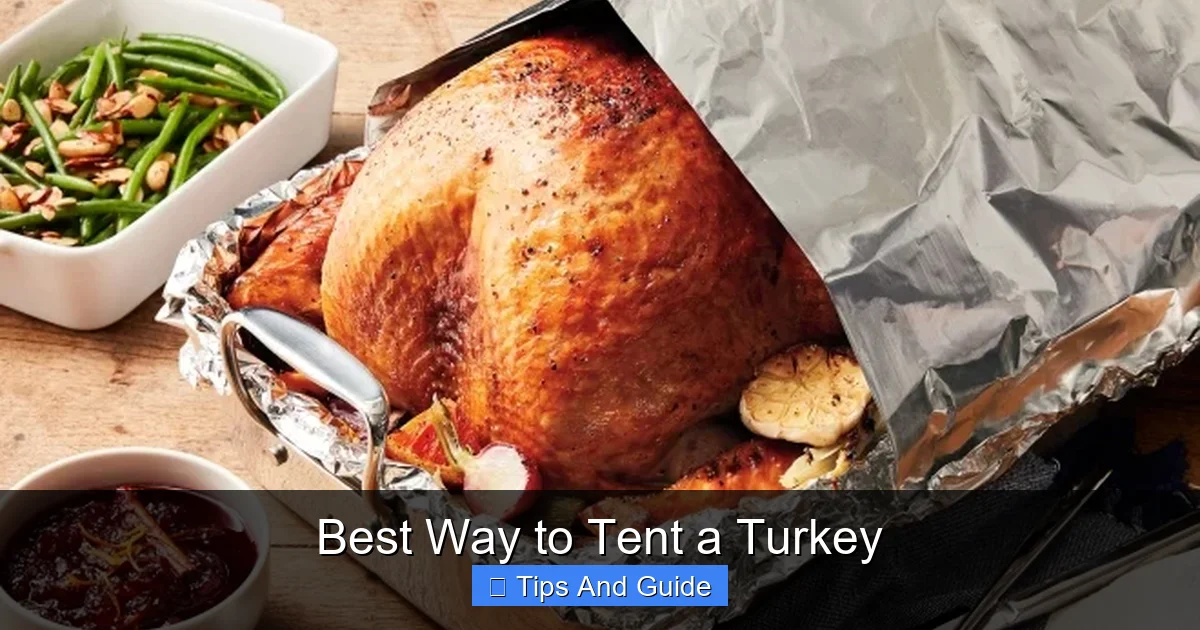
Tenting a turkey means loosely covering it with aluminum foil during part of the roasting process. The foil acts as a shield, reflecting heat away from the surface and creating a gentle cooking environment. This method is especially useful for turkeys with large breasts or those roasted at higher temperatures, where the skin can brown too quickly before the inside is fully cooked.
Think of it like putting a hat on your turkey—it protects the top from direct heat while allowing steam to circulate underneath. The key is to drape the foil gently over the bird without pressing it down. You want to create a small “tent” or canopy that covers the breast and wings but doesn’t touch the skin. This prevents the foil from sticking and ensures even heat distribution.
Tenting is not the same as wrapping the turkey tightly, which can trap too much moisture and lead to steamed, soggy skin. Instead, it’s about controlled coverage—just enough to slow browning and retain juices. This technique is especially helpful if you’re roasting a stuffed turkey or using a high-heat method, where the risk of over-browning is higher.
Why Tenting Is Essential for Juicy, Flavorful Turkey
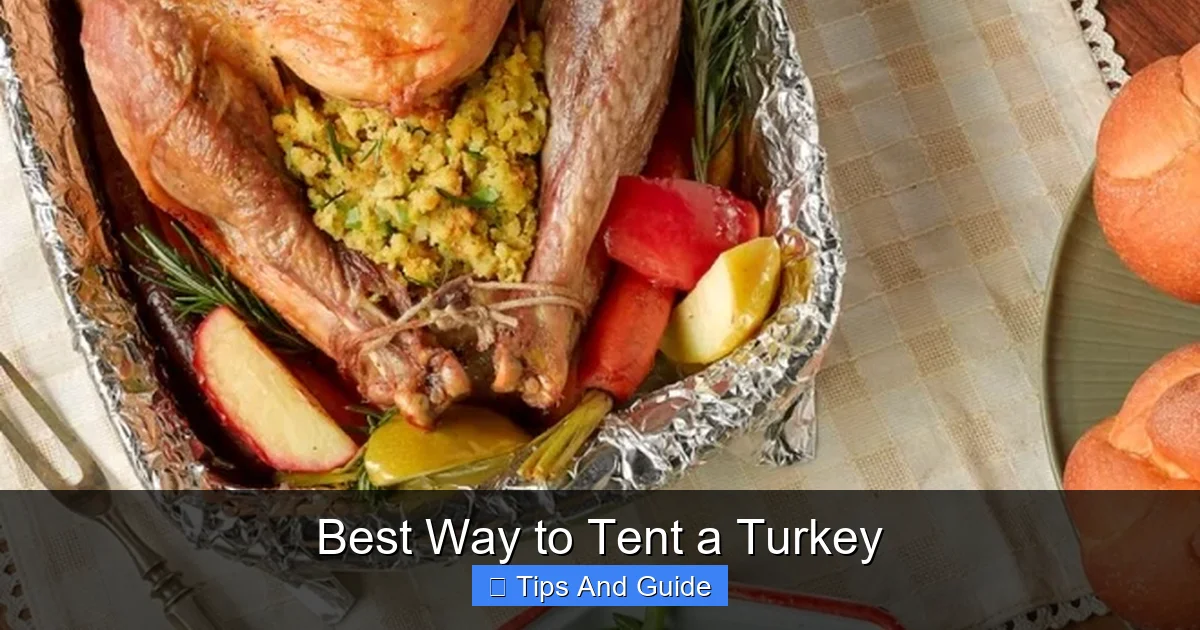
Visual guide about Best Way to Tent a Turkey
Image source: reynoldsbrands.com
The main reason to tent a turkey is moisture retention. As the bird roasts, natural juices rise to the surface and begin to evaporate. Without protection, these juices escape too quickly, leaving the meat dry—especially in the breast, which has less fat than the thighs and drumsticks.
Tenting slows this evaporation by creating a microclimate around the turkey. The foil reflects radiant heat, reducing the intensity on the skin while allowing the oven’s ambient heat to cook the meat evenly. This balance helps the internal temperature rise steadily, reducing the risk of overcooking the outer layers before the center is done.
Another benefit is even browning. Turkeys often develop dark spots on the breast and wings because these areas are closest to the heat source. Tenting prevents this uneven coloring, giving you a uniformly golden bird. Plus, by controlling the rate of browning, you can achieve that perfect crisp skin later in the process—once the foil is removed.
When to Tent Your Turkey: Timing Is Everything
Knowing when to tent your turkey is just as important as how you do it. The general rule is to tent during the first half of the cooking time. For example, if your turkey takes about 4 hours to roast, cover it for the first 2 hours, then remove the foil for the remaining time.
This timing allows the turkey to cook through without drying out, while still giving the skin a chance to crisp up at the end. Removing the foil in the final stages exposes the skin to direct heat, promoting browning and texture. It’s like giving your turkey a final glow-up before serving.
Some cooks also recommend tenting if they notice the skin browning too quickly—even if it’s not yet halfway through cooking. If you see dark patches forming, don’t wait. Loosely drape foil over those areas to slow things down. This reactive approach ensures your turkey stays on track, no matter how your oven behaves.
Step-by-Step Guide to Tenting a Turkey
Gather Your Tools
You’ll need a large sheet of heavy-duty aluminum foil—enough to cover the entire turkey without stretching. A 18–24 inch wide sheet works well for most birds. Avoid using plastic wrap or parchment paper, as they don’t reflect heat the same way and can melt or burn.
Prepare the Turkey
Place your seasoned turkey on a roasting rack inside a shallow pan. Make sure it’s breast-side up and centered in the oven. If you’re stuffing the bird, do so just before roasting to minimize food safety risks.
Drape the Foil Gently
Once the turkey has roasted for about 30–60 minutes (or when you notice browning), remove it from the oven. Carefully tear off a sheet of foil and loosely drape it over the top of the turkey. Don’t press it down or seal the edges—just let it rest like a canopy. The foil should cover the breast and wings but not touch the skin.
Return to the Oven
Put the turkey back in the oven and continue roasting. The foil will slow browning and help the meat cook evenly. After about half the total cooking time, remove the foil to allow the skin to crisp.
Monitor Temperature
Use a meat thermometer to check the internal temperature. The thickest part of the breast should reach 165°F (74°C), and the thigh should hit 175°F (80°C). Tenting helps maintain moisture, so your turkey will stay juicy even as it nears doneness.
Common Mistakes to Avoid When Tenting
Even experienced cooks can make errors when tenting a turkey. One of the most common is pressing the foil down onto the skin. This causes the foil to stick, and when you remove it, you risk tearing the skin—ruining the presentation.
Another mistake is using the wrong type of foil. Thin, flimsy foil can crumple or tear, while non-stick foil may not reflect heat properly. Stick with heavy-duty aluminum foil for the best results.
Some people also tent too late or not at all. If your turkey is already darkening after the first hour, it’s not too late to add the foil. Better safe than sorry—tenting can rescue an over-browning bird.
Finally, don’t skip the resting phase. After roasting, tent the turkey loosely with foil and let it rest for 20–30 minutes. This allows the juices to redistribute, ensuring every bite is moist and flavorful.
Alternative Tenting Methods and Pro Tips
If you don’t have foil, you can use a roasting bag or a lid on a Dutch oven. These methods also trap moisture and slow browning, though they require different timing and temperature adjustments.
For extra flavor, try adding aromatics under the foil—like onion slices, garlic, or fresh herbs. These will steam gently and infuse the turkey with subtle notes. Just make sure they don’t touch the skin directly.
Another pro tip: use a V-rack or roasting rack to elevate the turkey. This improves air circulation and prevents the bottom from steaming, which can happen if the bird sits directly in the pan.
If you’re roasting a turkey in a convection oven, reduce the temperature by 25°F (about 15°C) and tent as usual. Convection ovens cook faster and can dry out meat if not monitored closely.
Conclusion
Mastering the best way to tent a turkey is a game-changer for home cooks. It’s a simple technique with powerful results—juicier meat, even browning, and a stress-free roasting experience. By draping foil loosely over your turkey during the first half of cooking, you protect it from over-browning while locking in precious moisture.
Remember to use heavy-duty foil, avoid pressing it down, and remove it in time to crisp the skin. Pair tented roasting with a reliable meat thermometer and a proper resting period, and you’ll serve a turkey that’s as delicious as it is beautiful. Whether it’s your first Thanksgiving or your tenth, this method will help you roast with confidence and impress every guest at the table.
Frequently Asked Questions
Should I tent a turkey the entire time it roasts?
No, you should only tent the turkey for the first half of the cooking time. Tenting the entire time prevents the skin from crisping and can lead to steamed, soggy results.
Can I use parchment paper instead of foil to tent a turkey?
It’s not recommended. Parchment paper doesn’t reflect heat as effectively as foil and can burn at high temperatures. Aluminum foil is the best choice for safe, even tented roasting.
What if my turkey is already browning too fast?
Don’t wait—tent it immediately. Loosely drape foil over the darkening areas to slow browning and protect the meat from drying out.
Do I need to tent a turkey if I’m using a roasting bag?
No. Roasting bags already create a sealed, moist environment, so additional tenting is unnecessary and could lead to overcooking.
How long should I let the turkey rest after roasting?
Let the turkey rest for 20–30 minutes, tented loosely with foil. This allows the juices to redistribute, resulting in more flavorful and moist meat.
Can I tent a turkey in a convection oven?
Yes, but reduce the oven temperature by 25°F (about 15°C) and monitor closely. Convection ovens cook faster, so tented roasting helps prevent drying.