Best Way to Sleep Tent Camping
Getting a good night’s sleep while tent camping doesn’t have to be a struggle. With the right gear, setup, and preparation, you can enjoy restful, cozy sleep no matter where you pitch your tent. This guide covers everything from choosing the right sleeping pad to managing temperature and bugs.
Camping under the stars is one of life’s simple pleasures—fresh air, crackling fires, and the sound of nature lulling you to sleep. But let’s be honest: the best way to sleep tent camping isn’t always obvious. Many campers wake up stiff, cold, or restless, wondering what went wrong. The good news? A great night’s sleep in a tent is totally achievable with the right approach.
Sleeping well while camping starts long before you crawl into your sleeping bag. It’s about preparation, smart gear choices, and understanding how your body reacts to the outdoors. Whether you’re camping in the summer heat or braving winter nights, your sleep quality depends on comfort, temperature control, and peace of mind. In this guide, we’ll walk you through proven strategies to help you sleep soundly—no matter where your tent is pitched.
Key Takeaways
- Invest in a quality sleeping pad: A good pad insulates you from the cold ground and adds cushioning for better sleep.
- Choose the right sleeping bag for the season: Match your bag’s temperature rating to the climate to stay warm or cool as needed.
Use tarps, foam boards, or reflective blankets to reduce heat loss and improve comfort. - Elevate your sleeping surface: Raised air mattresses or cots can improve airflow and comfort, especially on uneven terrain.
- Control tent temperature wisely: Ventilate to reduce condensation and use safe heating or cooling methods based on weather.
- Minimize light and noise: Use a sleep mask and earplugs to block distractions and improve sleep quality.
- Keep bugs and moisture out: Seal your tent properly and use a footprint or tarp underneath to stay dry.
📑 Table of Contents
Choose the Right Sleeping Pad for Comfort and Insulation
One of the biggest mistakes campers make is underestimating the importance of a sleeping pad. It’s not just about cushioning—it’s about insulation. The ground can be surprisingly cold, even on mild nights, and without proper insulation, your body heat will escape rapidly.
Types of Sleeping Pads
There are three main types of sleeping pads: foam, self-inflating, and air pads. Foam pads, like closed-cell foam rolls, are lightweight, durable, and provide consistent insulation. They’re great for backpacking but can be less comfortable for side sleepers. Self-inflating pads combine foam with air chambers, offering a balance of comfort and insulation. Air pads are the most comfortable, especially for car campers, but they can be prone to punctures and may lose air overnight.
R-Value Matters
When choosing a pad, check its R-value—a measure of thermal resistance. A higher R-value means better insulation. For summer camping, an R-value of 2–3 is usually sufficient. For three-season camping, aim for 3–4. In winter or cold climates, go for 5 or higher. Pairing a high-R pad with a foam underlay can boost insulation even more.
Practical Tip
Try lying on your pad before buying. If you can feel the ground through it, it’s not thick enough. For extra comfort, consider a double-wide pad or a cot for car camping.
Pick the Right Sleeping Bag for the Season

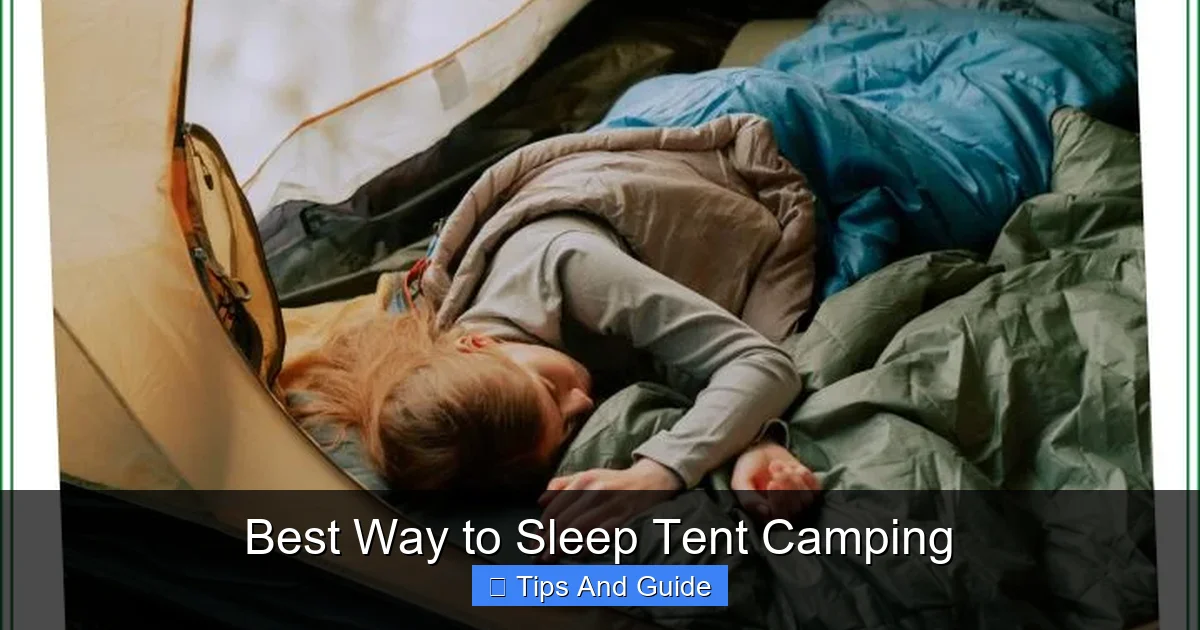
Visual guide about Best Way to Sleep Tent Camping
Image source: tentcampingpro.com
Your sleeping bag is your personal climate control. Choosing the wrong one can lead to shivering or overheating—both of which ruin sleep.
Understand Temperature Ratings
Sleeping bags come with comfort and limit ratings. The comfort rating is the lowest temperature at which an average person can sleep comfortably. Always choose a bag rated for colder temperatures than you expect. For example, if nighttime lows are 50°F, use a bag rated for 30–40°F.
Shape and Fit
Mummy bags are the most efficient for warmth, as they hug your body and reduce dead air space. Rectangular bags offer more room but less insulation. If you sleep cold, go for a mummy bag with a draft collar and hood. For warm weather, a lightweight quilt or 3-season bag works well.
Material Matters
Down is lightweight and compressible but loses insulation when wet. Synthetic fills dry faster and perform better in damp conditions. If you’re camping in humid or rainy areas, synthetic may be the safer choice.
Optimize Tent Setup for Better Sleep
Where and how you set up your tent can make or break your sleep. A poorly placed tent can lead to discomfort, moisture, and even safety issues.
Level Ground is Key
Always pitch your tent on level ground. A slight slope might seem fine, but it can cause you to slide down all night. Use a small shovel or your hands to flatten the area if needed.
Use a Footprint or Tarp
Place a footprint (a custom ground cloth) or a tarp under your tent to protect the floor from moisture and abrasion. This keeps your sleeping area dry and extends the life of your tent. Just make sure the tarp is smaller than the tent floor to avoid trapping water underneath.
Elevate for Airflow and Comfort
If you’re car camping, consider using a raised air mattress or camping cot. These improve airflow beneath you, reduce pressure points, and make your sleep space feel more like home. Just ensure your tent is tall enough to accommodate the height.
Manage Temperature and Ventilation
Temperature control is crucial for restful sleep. Too hot or too cold, and your body will struggle to relax.
Stay Cool in Hot Weather
In summer, heat can build up quickly inside a tent. To stay cool, open vents and use a mesh-paneled tent for maximum airflow. Sleep with your bag unzipped or use a lightweight liner instead. For extreme heat, check out our guide on the best way to cool a tent while camping for practical tips like using battery-powered fans or reflective tarps.
Stay Warm in Cold Weather
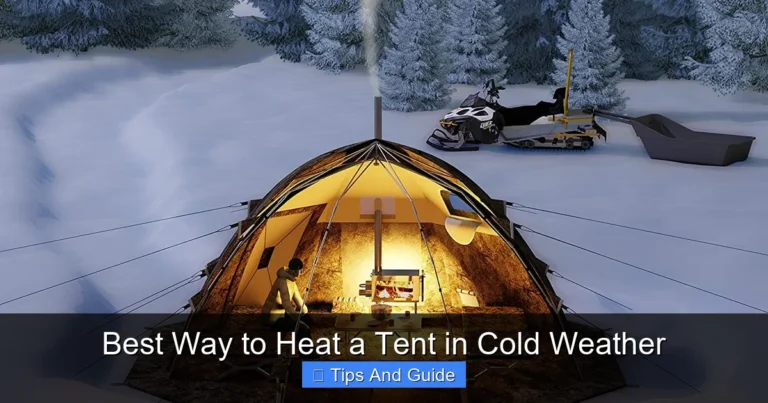
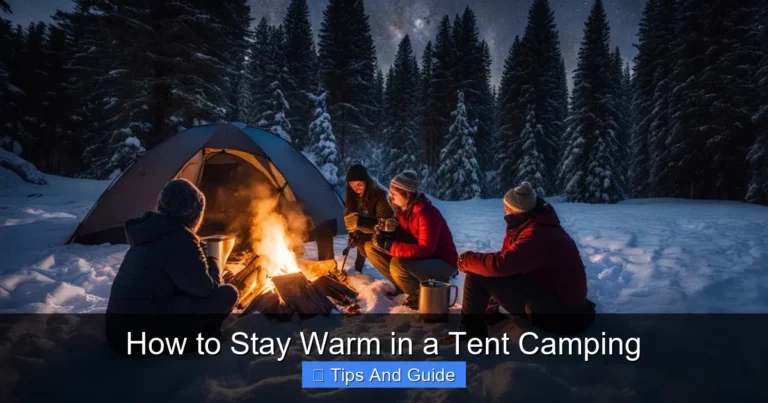
Cold nights demand extra insulation. Use a sleeping bag liner to add 10–15°F of warmth. Wear dry base layers and a beanie to bed. Place a hot water bottle in your bag for instant heat. For more advanced warmth strategies, read our article on the best way to keep warm in a tent, which covers everything from tent insulation to safe heating methods.
Prevent Condensation
Breathing and sweating create moisture inside your tent. Without ventilation, this leads to condensation, which can dampen your gear. Always crack a vent or door slightly, even in cold weather. A double-wall tent helps by allowing moisture to escape through the outer fly.
Minimize Light, Noise, and Distractions
Even in nature, sleep disruptions are common. Wind, animals, and early sunrise can wake you up.
Block Out Light
Use a sleep mask to block early morning light. Choose a dark-colored tent or add a blackout liner if you’re sensitive to light. Some tents come with darkroom technology that reduces interior brightness.
Reduce Noise
Earplugs are a camper’s best friend. Foam or silicone plugs can muffle wind, rustling trees, or snoring companions. For extra peace, choose a campsite away from trails or noisy areas.
Create a Sleep Routine
Your body responds to routine. Try to go to bed and wake up at the same time each day. Avoid screens before bed—instead, read a book or listen to calming music. A small lantern with a red filter can provide soft light without disrupting your circadian rhythm.
Keep Bugs, Moisture, and Critters at Bay
Nothing ruins sleep faster than a mosquito buzzing in your ear or a damp sleeping bag.
Seal Your Tent
Always zip your tent doors and windows closed. Use a tent with fine mesh screens to keep bugs out while allowing airflow. If you’re in a buggy area, consider a bug net for your sleeping area.
Check for Moisture
Before getting into your bag, feel the tent floor and walls. If they’re damp, open vents to dry them. Avoid bringing wet gear inside. For tips on handling wet conditions, see our guide on the best way to keep tent dry in rain.
Store Food Properly
Never keep food in your tent. Store it in a bear-proof container or hang it away from camp. The smell can attract animals, putting you and your sleep at risk.
Final Thoughts: Make Sleep a Priority
Camping is meant to be relaxing, and that includes your sleep. By investing in the right gear, setting up your tent thoughtfully, and managing your environment, you can enjoy deep, restful sleep under the stars. Remember, the best way to sleep tent camping isn’t about luxury—it’s about smart preparation and comfort.
Start with a quality sleeping pad and bag, control your temperature, and minimize distractions. With these tips, you’ll wake up refreshed and ready for another day of adventure.
Frequently Asked Questions
What is the most important factor for sleeping well in a tent?
The most important factor is insulation from the ground. A high-quality sleeping pad with a good R-value keeps you warm and comfortable by preventing body heat from escaping into the cold ground.
Can I use a regular air mattress for tent camping?
Yes, but only if you’re car camping. Air mattresses are bulky and prone to punctures, so they’re not ideal for backpacking. Use a puncture-resistant model and a pump for easy inflation.
How do I stay warm in a tent without electricity?
Use a well-insulated sleeping bag, wear warm base layers, and add a sleeping bag liner. You can also use a hot water bottle or chemical hand warmers placed near your feet.
Why do I wake up stiff when camping?
Stiffness often comes from sleeping on an uneven or hard surface. A thick sleeping pad or cot can help by providing cushioning and support for your spine.
Should I sleep with my head near the tent door?
It’s better to sleep with your head toward the back of the tent. This keeps you away from drafts and makes it easier to exit without disturbing others.
How can I reduce condensation inside my tent?
Ventilate your tent by opening vents or slightly unzipping doors. Avoid breathing directly into your sleeping bag, and never dry wet clothes inside the tent.