Best Way to Set Up Tent in the Rain
Setting up a tent in the rain doesn’t have to be a soggy disaster. With the right preparation, tools, and techniques, you can stay dry and comfortable—even when the weather turns wet. This guide covers everything from gear selection to smart setup strategies so you can camp confidently in any downpour.
Key Takeaways
- Choose a waterproof tent: Look for a tent with a high hydrostatic rating, taped seams, and a full-coverage rainfly to keep water out.
- Use a tarp or footprint: Place a tarp or ground cloth under your tent to prevent moisture from seeping up from the wet ground.
- Set up under shelter if possible: Use natural cover like trees or a pre-pitched tarp to create a dry zone for assembling your tent.
- Keep your gear dry: Store sleeping bags, clothes, and electronics in waterproof bags or dry sacks before and during setup.
- Pitch on elevated, well-drained ground: Avoid low spots where water pools; choose slightly sloped terrain to let rain run off.
- Secure your tent properly: Use sturdy stakes and guy lines to anchor your tent against wind and rain, preventing flapping and leaks.
- Dry your tent before storing: Always air out your tent after use to prevent mold, mildew, and fabric damage.
📑 Table of Contents
- Why Setting Up a Tent in the Rain Is Tricky
- Choose the Right Tent for Wet Weather
- Prepare Your Campsite Before It Rains
- Set Up Your Tent Efficiently in the Rain
- Keep Your Gear and Interior Dry
- Secure Your Tent Against Wind and Rain
- After the Rain: Dry and Store Your Tent Properly
- Final Thoughts: Stay Dry, Stay Happy
Why Setting Up a Tent in the Rain Is Tricky
There’s nothing worse than arriving at your campsite only to find dark clouds rolling in. You’re tired, maybe a little cold, and all you want is to crawl into your tent. But when it starts raining, setting up camp becomes a race against time—and moisture. Wet tent fabric, soggy gear, and muddy ground can quickly turn a fun adventure into a miserable experience.
The good news? With the right approach, you can set up your tent in the rain without ending up soaked. It’s not just about speed—it’s about smart preparation and knowing which steps matter most. Whether you’re a weekend camper or a seasoned backpacker, mastering the art of rainy tent setup will save you stress, keep your gear dry, and help you enjoy your trip no matter the forecast.
Choose the Right Tent for Wet Weather
Not all tents are created equal—especially when it comes to rain. If you plan to camp in damp or unpredictable climates, investing in a high-quality waterproof tent is essential. Look for models with a hydrostatic head rating of at least 1,500mm, which measures how much water pressure the fabric can withstand before leaking. Higher ratings (3,000mm and above) offer even better protection.
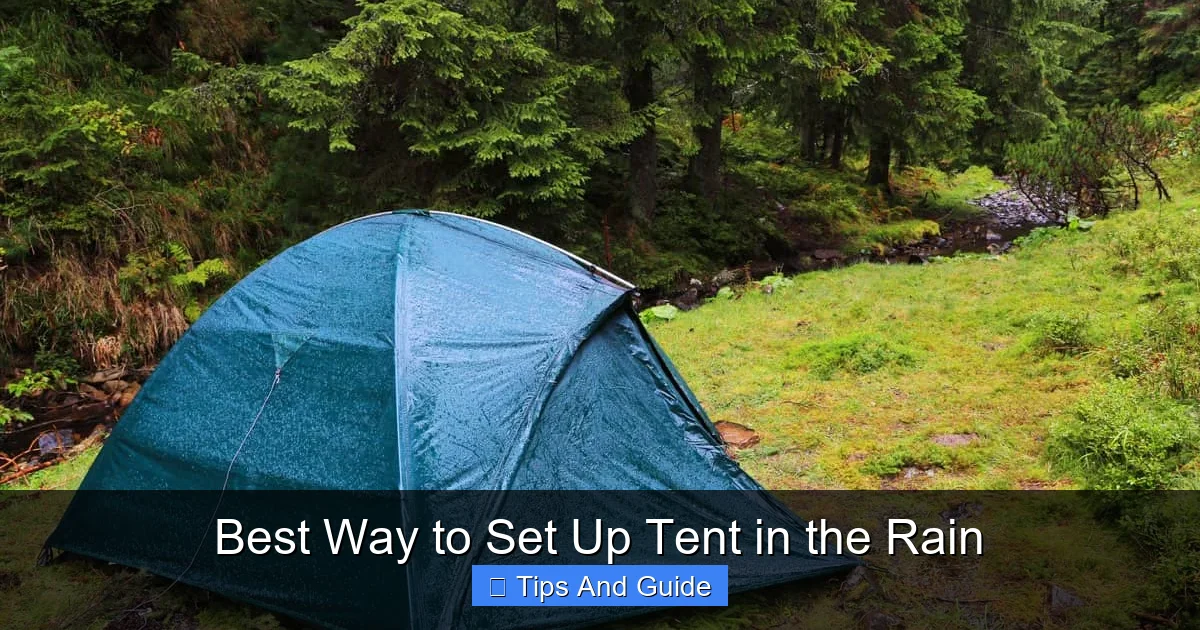
Visual guide about Best Way to Set Up Tent in the Rain
Image source: gudgear.com
Key Features to Look For
- Taped or welded seams: These prevent water from seeping through stitch holes. Factory-taped seams are more reliable than seam-sealing yourself.
- Full-coverage rainfly: A rainfly that extends close to the ground offers better protection than partial covers.
- Vestibules: These covered entryways give you space to store wet boots and gear outside the main tent area.
- Double-wall design: This creates an air gap between the inner tent and rainfly, reducing condensation and improving ventilation.
If you already own a tent, don’t panic. You can enhance its waterproofing by applying a tent seam sealer and using a durable rainfly. Just remember: no amount of prep can fix a torn or degraded fabric. Regularly inspect your tent for wear and tear, especially before rainy trips.
Prepare Your Campsite Before It Rains
One of the best ways to make rainy tent setup easier is to arrive early—before the downpour begins. If you know rain is coming, use the dry window to scout and prepare your site. Look for natural shelters like dense tree cover or rock overhangs that can offer temporary protection.
Pick the Right Spot
Your campsite choice can make or break your comfort in the rain. Avoid low-lying areas where water collects, such as dry riverbeds or depressions. Instead, choose a slightly elevated, well-drained spot—like a gentle slope or ridge. This allows rainwater to run off instead of pooling around your tent.
Also, check for overhead hazards. Dead branches (called “widowmakers”) can fall in heavy rain or wind, so avoid setting up beneath them. And don’t forget to look up—tents under thick canopies may stay drier during setup, but they can also trap moisture and increase condensation inside.
Use a Tarp or Footprint
Always lay down a tarp or tent footprint before pitching your tent. This protective layer sits between the ground and your tent floor, preventing moisture from wicking up through the fabric. Choose a tarp slightly smaller than your tent base to avoid water collecting under the edges.
For extra protection, consider a rain tarp pitched above your tent. This creates a dry “porch” area where you can store gear and even cook in a pinch. Just make sure it’s high enough to allow airflow and won’t drip condensation onto your tent.
Set Up Your Tent Efficiently in the Rain
When the rain starts, speed and strategy are key. The goal is to minimize exposure and keep your tent fabric as dry as possible during setup. Here’s how to do it right.
Work in Pairs (If Possible)
Having a buddy makes rainy tent setup much easier. One person can hold the tent while the other secures stakes and lines. This reduces the time your tent spends flapping in the wind and getting soaked. If you’re solo, focus on anchoring one corner at a time to keep the structure stable.
Assemble Components in Advance
Take a few minutes before the rain hits to organize your gear. Lay out poles, stakes, and guylines so you can grab them quickly. Use color-coded or labeled bags to avoid fumbling in the dark or wet. Some campers even pre-thread pole sleeves or clips to save time.
Use a “Dry Zone” Strategy
If you have a tarp already set up, use it as a dry workspace. Keep your tent bag, sleeping bag, and clothes under cover while you work. Unzip the tent only when you’re ready to pitch it, and try to keep the inner tent dry until the rainfly is on.
Once the tent is up, immediately attach the rainfly and secure all guylines. This creates a waterproof shell and reduces flapping, which can let rain in through vents or zippers.
Keep Your Gear and Interior Dry
Even with a perfect setup, moisture can sneak in. Condensation, wet boots, and damp clothes can turn your cozy tent into a clammy cave. Here’s how to stay dry inside.
Use Waterproof Storage
Store all your gear in dry bags or waterproof stuff sacks. This includes your sleeping bag, clothes, electronics, and food. If something gets wet during setup, isolate it in a separate bag to prevent spreading moisture.
Consider bringing a small, quick-dry towel to wipe down wet gear or your tent floor. Microfiber towels are lightweight and absorb a lot of water—perfect for emergency drying.
Manage Condensation
Condensation happens when warm, moist air from your breath meets the cold tent walls. To reduce it, ventilate your tent by cracking vents or doors slightly—even in the rain. Use a tent with mesh panels or adjustable vents for better airflow.
Avoid bringing wet items inside. Hang damp clothes or boots in the vestibule, not the main tent. And never cook inside unless absolutely necessary—it adds moisture and can be dangerous.
Secure Your Tent Against Wind and Rain
A poorly anchored tent can collapse or leak in heavy rain and wind. Proper staking and guylines are your best defense.
Use the Right Stakes
Standard aluminum stakes work in soft soil, but in muddy or rocky ground, switch to Y-beam or snow stakes, which grip better. For extra hold, angle stakes away from the tent at 45 degrees.
Tension Your Guylines
Guylines keep your rainfly taut, preventing sagging and water pooling. Use tensioners or knots to adjust tightness. In windy conditions, add extra lines to stabilize the tent.
If you’re camping in a storm-prone area, consider a 4-season tent designed for harsh weather. These have stronger poles, more guylines, and better aerodynamic shapes.
After the Rain: Dry and Store Your Tent Properly
Your job isn’t done when the rain stops. Wet tents can develop mold, mildew, and fabric damage if not dried properly. As soon as possible, take your tent down and air it out in a dry, shaded area. Avoid direct sunlight, which can weaken fabric over time.
Use a soft brush to remove dirt and let the tent dry completely before folding. Store it loosely in a breathable bag—never stuff a damp tent into its stuff sack. For long-term storage, keep it in a cool, dry place away from moisture.
Regular maintenance extends your tent’s life. Reapply waterproofing treatments as needed, and inspect seams and zippers before each trip. A little care goes a long way.
Final Thoughts: Stay Dry, Stay Happy
Setting up a tent in the rain doesn’t have to be a nightmare. With the right gear, smart site selection, and efficient techniques, you can stay dry and comfortable—even in a downpour. Remember: preparation is your best friend. Arrive early, pack smart, and don’t rush the process.
And if all else fails, embrace the adventure. Some of the best camping memories happen in the rain—just ask anyone who’s watched lightning over a mountain lake or listened to raindrops on a tent roof. With these tips, you’ll be ready for whatever the weather throws your way.
Frequently Asked Questions
Can I set up a tent in heavy rain?
Yes, but it’s more challenging. Use a tarp for cover, work quickly, and keep your gear dry. If lightning is present, avoid setting up tall structures and seek safer shelter.
Should I use a tarp under my tent?
Absolutely. A tarp or footprint protects the tent floor from moisture, abrasion, and punctures. Just make sure it’s smaller than the tent base to prevent water from pooling underneath.
How do I stop my tent from leaking in the rain?
Ensure your rainfly is properly attached and taut, seams are sealed, and the tent is pitched on dry, elevated ground. Regular maintenance and high-quality gear also help prevent leaks.
What’s the best way to keep my sleeping bag dry?
Store your sleeping bag in a waterproof stuff sack or dry bag. Keep it inside the tent, away from the walls, and avoid placing it on wet ground.
Can I cook inside my tent in the rain?
It’s not recommended. Cooking adds moisture and increases fire risk. Use a vestibule or separate cooking shelter instead.
How do I dry a wet tent after camping?
Hang it in a shaded, well-ventilated area until completely dry. Avoid direct sunlight and heat sources, which can damage fabric. Never pack a wet tent away.