Best Way to Set Up Tent
Setting up a tent doesn’t have to be stressful—especially when you follow the right steps. With the best way to set up a tent, you’ll save time, avoid common mistakes, and enjoy a stable, weather-resistant shelter every time. Whether you’re a beginner or a seasoned camper, this guide ensures your next outdoor adventure starts on solid ground.
Key Takeaways
- Choose the right campsite: Look for flat, dry ground away from water sources and hazards like dead trees or loose rocks.
- Use a ground tarp: Always lay down a tarp before pitching your tent to protect the floor from moisture and sharp objects.
- Assemble poles correctly: Match pole colors or labels to the corresponding sleeves or clips to avoid frustration and misalignment.
- Secure with proper stakes and guylines: Use sturdy stakes and tension guylines to keep your tent stable in wind or rain.
- Practice before you go: Set up your tent at home first to identify missing parts and build confidence.
- Pack smart for easy takedown: Organize gear so folding and storing your tent is quick and damage-free.
📑 Table of Contents
- Why the Best Way to Set Up a Tent Matters
- Step 1: Choose the Right Campsite
- Step 2: Prepare the Ground and Use a Tarp
- Step 3: Assemble and Raise the Tent
- Step 4: Secure the Tent with Stakes and Guylines
- Step 5: Optimize Interior Comfort and Safety
- Step 6: Practice and Prepare for Takedown
- Conclusion: Master the Art of Tent Setup
Why the Best Way to Set Up a Tent Matters
There’s nothing worse than arriving at your campsite after a long hike, only to struggle with a tangled mess of poles and fabric. A poorly set-up tent can lead to leaks, collapses, or even a sleepless night. That’s why knowing the best way to set up a tent is essential for any camper—whether you’re heading into the backcountry or setting up base camp for a weekend with friends.
Setting up a tent correctly isn’t just about speed; it’s about safety, comfort, and durability. A well-pitched tent will keep you dry during rainstorms, stable in strong winds, and insulated from cold ground. Plus, when you know what you’re doing, you free up more time to enjoy nature instead of wrestling with gear. In this guide, we’ll walk you through every step of the process, from choosing the perfect spot to securing your shelter like a pro.
Step 1: Choose the Right Campsite
The foundation of a great tent setup starts long before you unpack your gear. Picking the right location can make or break your camping experience. You want a spot that’s flat, dry, and safe—ideally with natural windbreaks like trees or rocks.

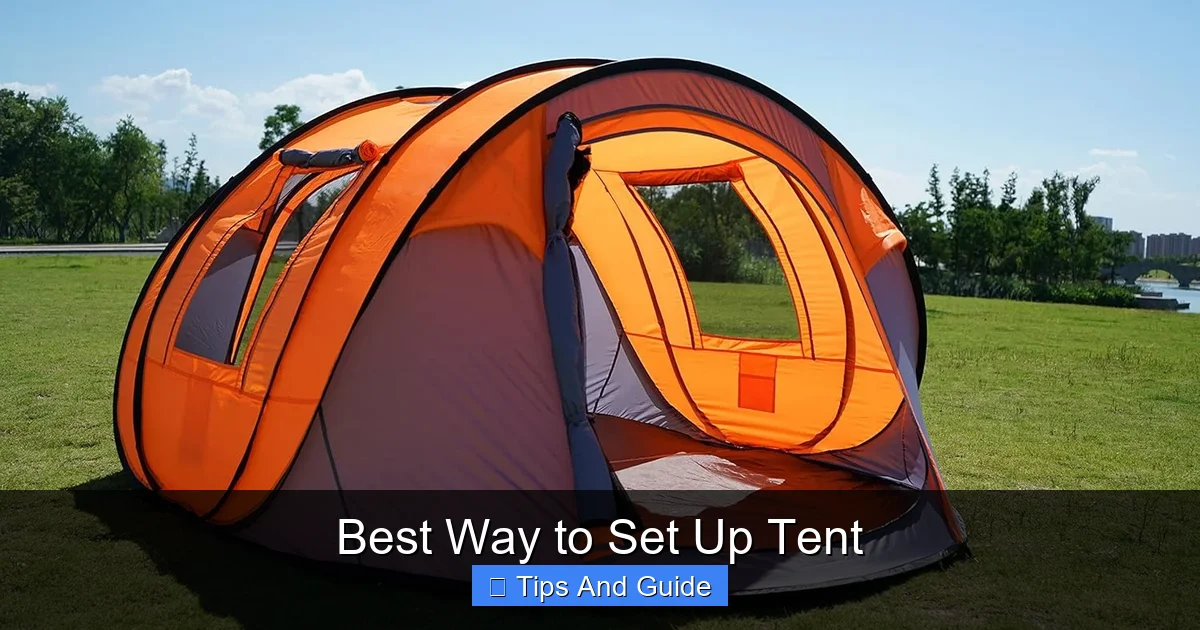
Visual guide about Best Way to Set Up Tent
Image source: thumbs.dreamstime.com
Look for Level Ground
Avoid slopes or dips where water might pool. Even a slight incline can cause discomfort while sleeping and increase the risk of rainwater seeping in. Use your boots to flatten the area if needed, but never dig trenches unless absolutely necessary—many campsites discourage altering the terrain.
Avoid Hazards
Stay clear of dead trees (widowmakers), loose rocks, or areas prone to flash floods. Also, keep your tent at least 200 feet away from water sources to protect the environment and reduce mosquito encounters. If you’re camping in bear country, store food away from your sleeping area.
Consider Wind and Sun Exposure
Position your tent door away from prevailing winds, but don’t block all airflow—ventilation prevents condensation. In hot climates, set up under tree cover for shade. In colder weather, face the entrance east to catch the morning sun and warm your tent naturally.
Step 2: Prepare the Ground and Use a Tarp
Even the most durable tent floors can be damaged by sharp rocks, roots, or moisture. That’s why laying down a ground tarp is a non-negotiable step in the best way to set up a tent.
Choose the Right Tarp Size
Your tarp should be slightly smaller than your tent’s footprint—about 2 inches shorter on each side. This prevents water from pooling between the tarp and tent floor during rain. A 7′ x 9′ tarp works well for most 2-3 person tents.
Secure the Tarp Properly
Place the tarp smooth-side up and anchor it with small rocks or stakes. Avoid letting the edges stick out, as they can channel rainwater under your tent. If you’re using a footprint (a custom-fit tarp designed for your tent model), it’s even better—it’s lighter and perfectly sized.
Bonus Tip: Double Up in Wet Conditions
In rainy or muddy areas, consider using two tarps—one under the tent and one overhead as a rainfly extension. For more on staying dry, check out our guide on the best way to keep tent dry in rain.
Step 3: Assemble and Raise the Tent
Now it’s time to bring your tent to life. Most modern tents use either pole sleeves or clip systems—knowing which you have will save time and frustration.
Match Poles to the Tent
Start by laying out all poles and identifying which ones go where. Many tents use color-coded sleeves or labeled clips (e.g., red pole goes with red sleeve). If yours isn’t labeled, take a photo during your first setup for future reference.
Insert Poles Carefully
For sleeve-style tents, slide the pole through the fabric channel. For clip-style tents, attach the pole ends to the grommets and clip the fabric to the pole as you go. Work from one end to the other, gently bending the pole to form the tent’s shape.
Raise the Tent with a Partner
If you’re camping solo, use your body to hold one end while attaching the other. With two people, lift opposite corners and walk backward until the tent is upright. Make sure the rainfly is oriented correctly—usually with the door facing away from the wind.
Step 4: Secure the Tent with Stakes and Guylines
A tent isn’t truly set up until it’s anchored. Wind, rain, and even your movements can shift an unsecured tent, leading to damage or collapse.
Use Quality Stakes
Plastic stakes might work in soft soil, but metal Y-stakes or V-stakes hold better in wind and hard ground. For rocky terrain, use rocks or logs to weigh down guylines. Avoid bending stakes—replace them if they warp.
Tension the Guylines
Attach guylines to the rainfly and stake them out at a 45-degree angle from the tent. Use a taut-line hitch or simple loop knot to adjust tension. The rainfly should be taut but not stretched to the point of warping the tent walls.
Reinforce in Bad Weather
If you expect storms, add extra guylines or use a tarp overhead for added protection. For tips on staying warm and dry in winter conditions, see our article on the best way to keep tent warm in winter.
Step 5: Optimize Interior Comfort and Safety
Once your tent is standing, it’s time to make it feel like home. A few smart additions can dramatically improve comfort and functionality.
Use a Footprint or Carpet Inside
A small indoor mat or carpet protects the floor and adds insulation. It also gives you a clean spot to change clothes or store shoes.
Organize Gear with Pockets and Loops
Most tents have built-in gear lofts or pockets. Use them to store headlamps, phones, or snacks. Avoid hanging heavy items from the ceiling—they can strain the fabric.
Ventilate to Reduce Condensation
Keep vents open, even at night. Condensation forms when warm, moist air meets cold tent walls. Proper airflow prevents dampness and keeps your sleeping bag dry. For more on managing temperature, read our guide on the best way to keep tent cool.
Step 6: Practice and Prepare for Takedown
The best way to set up a tent includes knowing how to take it down efficiently. Practice at home before your trip to avoid last-minute stress.
Do a Dry Run
Set up your tent in the backyard or living room. Time yourself and note any confusing steps. This is also the perfect chance to check for missing poles or damaged zippers.
Clean and Dry Before Packing
Never pack a wet tent—mold and mildew will ruin it. If you must pack it damp, air it out as soon as possible. Shake out dirt and debris to prevent abrasion during storage.
Fold Smart, Not Small
Rolling instead of folding reduces creases and stress on seams. Store poles and stakes separately to avoid puncturing the fabric. For detailed instructions, visit our guide on the best way to fold up a tent.
Conclusion: Master the Art of Tent Setup
Mastering the best way to set up a tent transforms camping from a chore into an adventure. With the right site, proper gear, and a little practice, you’ll pitch your shelter quickly and confidently—no matter where you are. Remember: a well-set-up tent is your first line of defense against the elements, and your gateway to peaceful nights under the stars.
From choosing the perfect spot to securing guylines and optimizing comfort, every step matters. Take the time to prepare, and you’ll enjoy safer, cozier, and more memorable camping trips. Now grab your gear, head outdoors, and set up like a pro.
Frequently Asked Questions
How long does it take to set up a tent?
Most tents take 5 to 15 minutes to set up, depending on size and complexity. Practice at home to reduce time and avoid frustration at the campsite.
Can I set up a tent alone?
Yes! Many solo campers successfully pitch tents by themselves. Look for models with color-coded poles and clip systems for easier one-person setup.
Do I really need a tarp under my tent?
Yes. A tarp protects the tent floor from moisture, dirt, and sharp objects. It extends the life of your tent and keeps you dry in wet conditions.
What’s the best way to keep my tent from blowing away?
Use sturdy stakes, tension guylines at 45-degree angles, and add extra anchors in windy areas. Avoid setting up in open, exposed locations.
Should I leave my tent windows open at night?
Yes, for ventilation. Open vents reduce condensation and improve airflow. Use mesh panels to keep bugs out while allowing air circulation.
How do I prevent condensation inside my tent?
Keep vents open, avoid breathing directly into the tent, and use a breathable rainfly. Proper airflow is key to minimizing moisture buildup.