

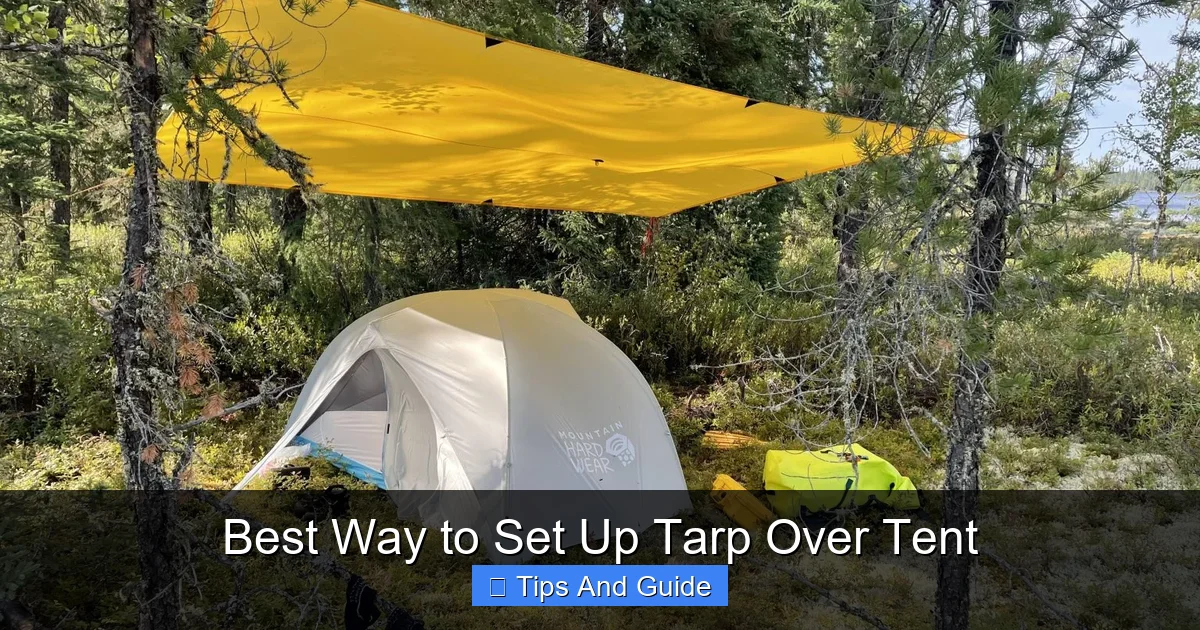
Setting up a tarp over your tent is one of the smartest ways to stay dry, cool, and comfortable while camping. Whether you’re facing heavy rain, scorching sun, or unexpected wind, a properly rigged tarp adds an essential layer of protection. This guide walks you through the best methods, materials, and techniques to master the art of tarp setup like a pro.
Key Takeaways
- Choose the right tarp size and material: A 10×12-foot polyethylene or silnylon tarp offers a good balance of coverage and weight for most tents.
- Position the tarp before pitching your tent: This ensures optimal coverage and prevents water from pooling under your shelter.
- Use a ridge line for stability: A taut ridge line between two trees or poles creates a strong, sloped roof that sheds rain efficiently.
- Maintain airflow to prevent condensation: Keep the tarp high enough above the tent to allow air circulation and reduce moisture buildup.
- Secure with quality knots and guylines: Use trucker’s hitch or taut-line hitches for adjustable tension that holds in windy conditions.
- Angle the tarp for weather direction: Slope the tarp away from prevailing winds or rain to maximize protection.
- Test your setup before bad weather hits: Practice at home so you’re ready when storms roll in.
📑 Table of Contents
- Why You Should Always Use a Tarp Over Your Tent
- Choosing the Right Tarp: Size, Material, and Shape
- Planning Your Tarp Setup: Location and Layout
- Step-by-Step: The Best Way to Set Up Tarp Over Tent
- Advanced Tips for Wind, Rain, and Sun
- Common Mistakes to Avoid
- Maintaining and Packing Your Tarp
- Final Thoughts: Master the Art of Tarp Camping
Why You Should Always Use a Tarp Over Your Tent
Let’s be honest—your tent is your home away from home. But even the best tents aren’t invincible. Rain can seep through seams, condensation can make the interior feel damp, and intense sun can turn your shelter into a sauna. That’s where a tarp comes in. Think of it as a protective umbrella for your tent—simple, affordable, and incredibly effective.
Using a tarp over your tent isn’t just about staying dry. It’s about extending the life of your gear, improving comfort, and gaining peace of mind. A well-placed tarp can reduce wear on your tent floor, block UV rays, and even provide extra shade for lounging outside. Whether you’re car camping or backpacking, mastering the best way to set up tarp over tent can make or break your outdoor experience.
Choosing the Right Tarp: Size, Material, and Shape
Not all tarps are created equal. Picking the right one is the first step toward a successful setup. Start with size: a 10×12-foot tarp is ideal for most standard tents, offering enough overhang to protect the sides and ends. If you’re using a large family tent or want maximum coverage, consider stepping up to a 12×16-foot model.
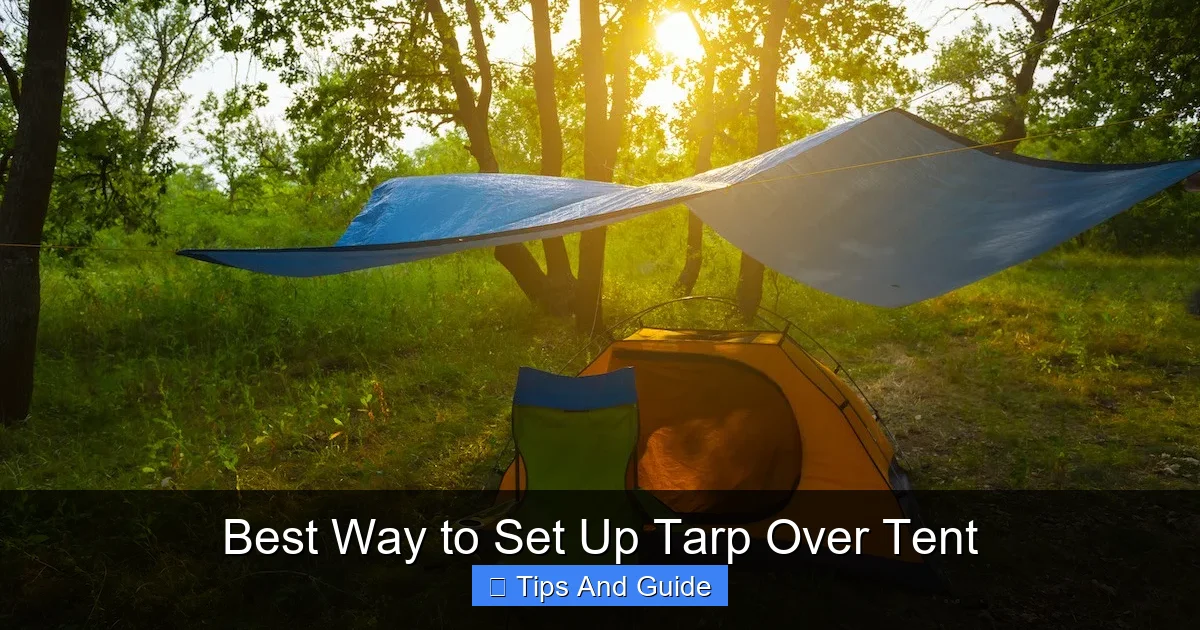
Visual guide about Best Way to Set Up Tarp Over Tent
Image source: images.ctfassets.net
Material Matters
Polyethylene (poly) tarps are durable, waterproof, and budget-friendly—perfect for car campers. They’re heavier, though, so not ideal for long hikes. For backpackers, silnylon or Dyneema tarps are lightweight and pack small, but they can be pricier and less abrasion-resistant. Always check the denier rating—higher numbers mean thicker, tougher fabric.
Shape and Features
Rectangular tarps offer the most versatility, but hexagonal or diamond-shaped tarps can reduce wind resistance. Look for reinforced grommets every 18–24 inches and double-stitched edges. Some tarps come with pre-attached guylines, which can save time in the field.
Planning Your Tarp Setup: Location and Layout
Before you even pull out your tent, scout the area. Look for level ground, natural windbreaks like trees or rocks, and avoid low spots where water might collect. The goal is to position your tarp so it covers your tent completely while allowing runoff to flow away from your sleeping area.
Set the Tarp First
One of the most common mistakes is pitching the tent first and trying to drape the tarp over it. Instead, lay the tarp on the ground where you plan to camp. Then pitch your tent on top. This prevents moisture from seeping up through the tent floor and gives you full control over tarp placement.
Consider the Weather
If rain is expected, angle the tarp so the lowest edge faces away from the wind. This creates a steep slope that sheds water quickly. In hot weather, raise the tarp higher to allow maximum airflow and shade. For windy conditions, lower the tarp and add extra guylines for stability.
Step-by-Step: The Best Way to Set Up Tarp Over Tent
Now that you’ve chosen your tarp and picked the perfect spot, it’s time to rig it up. The most reliable method uses a ridge line between two anchor points—like trees or trekking poles—to create a stable, sloped roof.
Step 1: Set Up the Ridge Line
Tie a strong paracord or nylon rope between two trees at a height of 6–8 feet. Use a taut-line hitch or trucker’s hitch for easy tension adjustment. Make sure the line is tight—this is the backbone of your tarp setup.
Step 2: Attach the Tarp
Drape the tarp over the ridge line so it forms a “roof” shape. The center of the tarp should rest on the line, with equal overhang on both sides. Use carabiners or cord locks to secure the tarp’s grommets to the ridge line. This keeps it from shifting in the wind.
Step 3: Stake the Corners and Sides
Pull each corner of the tarp taut and stake it into the ground using Y-stakes or deadmen anchors. For extra security, add guylines to the sides and tie them off at 45-degree angles. This prevents flapping and improves wind resistance.
Step 4: Adjust for Slope and Coverage
Check that the tarp slopes downward from the ridge line. The lower edge should be at least 12–18 inches above the ground to allow airflow. If it’s too low, rain splash can soak the area beneath. If it’s too high, wind can get underneath and lift the tarp.
Advanced Tips for Wind, Rain, and Sun
Once you’ve mastered the basic setup, it’s time to fine-tune for specific conditions. A well-rigged tarp can handle almost anything nature throws at it—if you know how to adapt.
For Heavy Rain
Use an A-frame or lean-to configuration with a steep slope. Make sure all seams and grommets are facing away from the wind. Add a ground tarp under your tent for double protection against moisture. And don’t forget to dig a small trench around the perimeter if the ground is saturated.
For Hot Weather
Raise the tarp higher to create a shaded canopy. Use reflective silnylon to bounce sunlight away. Leave the sides open for cross-ventilation. This setup not only keeps you cool but also reduces condensation inside the tent. For more tips, check out our guide on the best way to keep tent cool.
For Windy Conditions
Lower the tarp and use more guylines. Anchor them to rocks, logs, or buried stakes. Avoid flapping by keeping the tarp drum-tight. If trees aren’t available, use two trekking poles to support the ridge line. This creates a freestanding shelter that’s surprisingly sturdy.
Common Mistakes to Avoid
Even experienced campers make tarp setup errors. Here are a few to watch out for:
- Tying the tarp too low: This traps moisture and increases condensation. Aim for at least 18 inches of clearance above the tent.
- Using weak knots: A slipped knot can collapse your entire setup. Practice trucker’s hitch and taut-line hitches before you go.
- Ignoring wind direction: Always position the lowest edge of the tarp away from the wind to prevent rain from blowing underneath.
- Over-tightening guylines: This can tear grommets or warp the tarp. Keep tension firm but not extreme.
- Forgetting to test the setup: Don’t wait for a storm to learn your tarp sags. Practice at home so you’re confident in the field.
Maintaining and Packing Your Tarp
A little care goes a long way. After each trip, shake off dirt and debris, then let the tarp dry completely before storing. Never pack a wet tarp—it can lead to mold and mildew. Fold it neatly to avoid creases that weaken the fabric over time.
For storage, roll the tarp instead of folding it. This reduces stress on the grommets and makes it easier to deploy next time. Keep it in a breathable stuff sack, not a plastic bag, to prevent moisture buildup.
Final Thoughts: Master the Art of Tarp Camping
Learning the best way to set up tarp over tent isn’t just about survival—it’s about comfort, confidence, and connection with nature. A well-rigged tarp transforms your campsite into a dry, cool, and inviting space. It’s a simple upgrade that pays big dividends.
Whether you’re braving a thunderstorm or escaping the summer heat, your tarp is your first line of defense. With the right gear, a solid plan, and a bit of practice, you’ll be ready for anything. So next time you head into the wild, don’t forget the tarp. Your tent—and your peace of mind—will thank you.
Frequently Asked Questions
Should I put the tarp under or over my tent?
Always place the tarp over your tent, not under it. Putting it underneath can trap moisture between the tarp and ground, leading to a damp tent floor. For extra protection, use a separate ground tarp beneath your tent.
How high should a tarp be above the tent?
The tarp should be at least 18–24 inches above the highest point of your tent. This allows for proper airflow, reduces condensation, and prevents rain splash from soaking the sides.
Can I use a tarp without trees?
Yes! Use trekking poles, tent poles, or even sticks to create a freestanding ridge line. Anchor the guylines to stakes, rocks, or logs. This works great in open fields or rocky terrain.
What’s the best knot for securing a tarp?
The trucker’s hitch is ideal for creating tension, while the taut-line hitch allows for easy adjustments. Both are reliable and commonly used by campers and climbers.
Do I really need a tarp if my tent is waterproof?
Yes. Even waterproof tents can leak at seams or zippers over time. A tarp adds an extra layer of protection, extends your tent’s lifespan, and improves comfort in extreme weather.
How do I prevent condensation under the tarp?
Keep the tarp high and ventilated. Avoid sealing it too tightly around the tent. If condensation forms, wipe it down with a microfiber cloth or raise the tarp slightly to improve airflow.
