Best Way to Set Up a Tent in the Rain
Setting up a tent in the rain doesn’t have to be a soggy disaster. With the right preparation, tools, and techniques, you can pitch your shelter quickly and keep everything dry—even in a downpour. This guide covers proven strategies to make rainy camping stress-free and successful.
Key Takeaways
- Choose a well-drained, elevated site: Avoid low spots where water pools; look for natural slopes or raised ground.
- Use a footprint or tarp under your tent: This prevents moisture from seeping up and protects the tent floor from wear.
- Set up the rainfly first: Pitch the fly before the inner tent to keep the sleeping area dry during assembly.
- Keep your gear organized and covered: Use dry bags or plastic bins to store clothes, electronics, and essentials.
- Work quickly and efficiently: Practice your setup at home so you can do it fast when rain starts falling.
- Ventilate your tent properly: Even in rain, airflow prevents condensation buildup inside the tent.
- Dry your tent thoroughly after use: Never pack it away wet to avoid mold and mildew.
📑 Table of Contents
- Why Setting Up a Tent in the Rain Is a Challenge
- Choose the Right Campsite Before It Starts Pouring
- Prepare Your Gear in Advance
- Set Up the Rainfly First—Here’s How
- Keep Your Tent and Gear Dry During Setup
- Ventilate to Prevent Condensation
- After the Rain: Dry and Store Your Tent Properly
- Final Thoughts: Stay Dry, Stay Happy
Why Setting Up a Tent in the Rain Is a Challenge
Camping in the rain can be magical—raindrops on the roof, cozy warmth inside—but only if your tent stays dry. The real challenge begins when you’re trying to set up that tent while water is pouring down. Wet hands, slippery poles, and soaked gear can turn a simple task into a frustrating ordeal. Plus, if you’re not careful, you might end up with a soggy sleeping bag and a moldy tent.
But here’s the good news: with the right approach, you can set up your tent in the rain like a pro. It’s all about preparation, smart gear choices, and knowing the best sequence of steps. Whether you’re a weekend warrior or a seasoned backpacker, mastering this skill means you won’t have to cancel your trip just because the forecast calls for rain.
Choose the Right Campsite Before It Starts Pouring
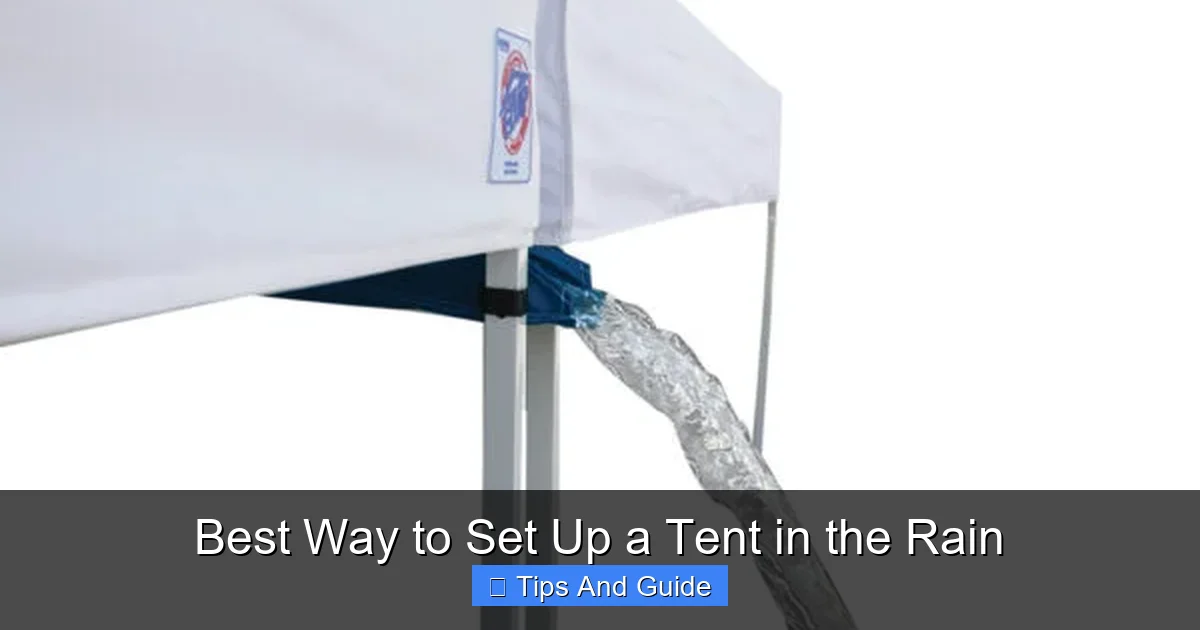
Visual guide about Best Way to Set Up a Tent in the Rain
Image source: buyshade.com
The first step to staying dry isn’t about the tent itself—it’s about where you put it. Picking the right spot can make or break your rainy camping experience.
Look for Natural Drainage
Avoid flat, low-lying areas where water collects. Instead, choose a site on a gentle slope or elevated ground. Water flows downhill, so setting up on higher terrain reduces the risk of flooding. A good trick is to dig a small test hole with your boot—if water starts pooling in it, move to a drier spot.
Avoid Dry Riverbeds and Depressions
Even if the ground looks dry now, a sudden downpour can turn a shallow ditch into a stream. Stay clear of dry creek beds, ravines, or any area that looks like it might channel water during heavy rain.
Use Natural Windbreaks
Trees, rock formations, or dense bushes can help shield your tent from wind-driven rain. Just make sure you’re not directly under dead branches—those can fall in a storm. A little natural protection goes a long way in keeping you comfortable.
Prepare Your Gear in Advance
Rain doesn’t wait for you to be ready, so your gear shouldn’t either. A little prep before you head out can save you a lot of trouble later.
Use a Footprint or Ground Tarp
A footprint is a small, durable tarp that matches the shape of your tent floor. It goes underneath your tent and prevents moisture from wicking up from the ground. If you don’t have one, a regular tarp works too—just make sure it’s not larger than your tent floor. Overhanging edges can channel rainwater under your shelter.
Pack Smart with Dry Bags
Keep your spare clothes, sleeping bag, and electronics in waterproof dry bags or heavy-duty Ziploc bags. Even if your tent stays dry, a sudden gust could splash water inside. Having backup dry gear ensures you’ll stay comfortable no matter what.
Practice Your Setup at Home
There’s nothing worse than fumbling with tent poles in a storm. Practice pitching your tent in your backyard or living room. Time yourself. Learn the fastest way to get the rainfly on. The more familiar you are with your gear, the quicker you’ll be in real conditions.
Set Up the Rainfly First—Here’s How
One of the biggest mistakes campers make in the rain is setting up the inner tent first. That leaves the sleeping area exposed while you struggle with the rainfly. Instead, reverse the order.
Start with the Rainfly
Unpack your rainfly and lay it over the area where your tent will go. Secure it with stakes and guylines before adding the inner tent. This creates a protective canopy that keeps the inner shelter dry while you work.
Attach the Inner Tent Under the Fly
Once the rainfly is up and secure, clip or snap the inner tent underneath it. This way, even if rain starts falling, your sleeping space stays dry. It’s like building an umbrella before stepping into the rain.
Tighten Guylines for Stability
Wet conditions often come with wind. Make sure all guylines are tight and staked down firmly. This prevents flapping, which can wear out fabric and let water seep in. Use extra stakes if needed—better safe than sorry.
Keep Your Tent and Gear Dry During Setup
Even with a good plan, rain can sneak in. Here’s how to minimize the damage and keep your essentials dry.
Work in Short Bursts
If the rain is heavy, work quickly in small steps. Unpack one section at a time, set it up, and move on. Don’t leave gear lying in the open where it can get soaked.
Use a Tarp as a Workstation
Bring a small tarp to create a dry workspace. Lay it on the ground and place your tent components on top. This keeps poles, stakes, and fabric from getting muddy or wet.
Assign Roles if Camping with Others
If you’re with a group, divide tasks. One person can hold the rainfly while another stakes it down. Teamwork speeds up the process and reduces exposure to rain.
Ventilate to Prevent Condensation
Once your tent is up, don’t forget about airflow. Many campers think sealing the tent tight keeps water out—but it also traps moisture inside.
Open Vents and Windows Slightly
Most modern tents have mesh vents or adjustable flaps. Keep them open, even in the rain. This allows air to circulate and prevents condensation from building up on the walls and ceiling.
Avoid Bringing Wet Gear Inside
Shake off wet jackets, boots, and backpacks before entering. Use a small doormat or towel at the entrance to wipe feet. The less moisture you bring in, the drier your tent stays.
Use a Small Towel for Drips
Keep a microfiber towel handy to wipe down wet surfaces or catch drips from the rainfly. It’s a small item that makes a big difference in comfort.
After the Rain: Dry and Store Your Tent Properly
Your job isn’t done when the rain stops. Proper care after your trip ensures your tent lasts for many more adventures.
Never Pack a Wet Tent
Even if it’s just damp, pack your tent loosely in its bag and dry it fully at home. Hanging it in a garage or on a clothesline for a few hours prevents mold and mildew. For detailed steps, check out our guide on the best way to dry out a tent.
Clean Off Mud and Debris
Rinse off dirt and mud with a hose, then let it air dry. Avoid using soap unless necessary—it can degrade waterproof coatings. For stubborn stains, see our article on how to clean a tent without damaging it.
Store in a Cool, Dry Place
Once dry, store your tent in a breathable bag—not the tight stuff sack it came in. This allows air to circulate and prevents long-term damage.
Final Thoughts: Stay Dry, Stay Happy
Setting up a tent in the rain doesn’t have to be a nightmare. With the right site selection, gear prep, and technique, you can stay dry and comfortable—even when the skies open up. Remember: speed, organization, and smart sequencing are your best friends. And if you’re ever unsure, practice makes perfect.
Rainy weather doesn’t mean the end of your camping fun. In fact, it can make the experience more memorable. Just follow these tips, and you’ll be ready for whatever the weather throws your way. For more advice on staying comfortable in wet conditions, explore our guide on the best way to keep your tent dry in the rain.
Frequently Asked Questions
Can I set up a tent in heavy rain?
Yes, you can—but it requires preparation and quick action. Use a rainfly-first method, work efficiently, and keep your gear organized to stay dry during setup.
Should I use a tarp under my tent in the rain?
Absolutely. A footprint or tarp protects the tent floor from moisture and abrasion. Just make sure it doesn’t extend beyond the tent edges to avoid channeling water underneath.
What if my tent gets wet inside during setup?
Use a towel to wipe down surfaces and remove wet gear immediately. Ventilate the tent to reduce condensation, and dry everything thoroughly once you get home.
How do I prevent condensation in a rainy tent?
Keep vents open, avoid bringing wet items inside, and ensure good airflow. Even in rain, a little ventilation goes a long way in keeping the interior dry.
Is it safe to camp in a thunderstorm?
Avoid setting up in open areas or under tall trees during thunderstorms. Seek lower ground and avoid metal tent poles if lightning is nearby. Safety first.
How soon should I dry my tent after a rainy trip?
Dry your tent as soon as possible—ideally within 24 hours. Hanging it up prevents mold and extends the life of your gear. Never store it while damp.