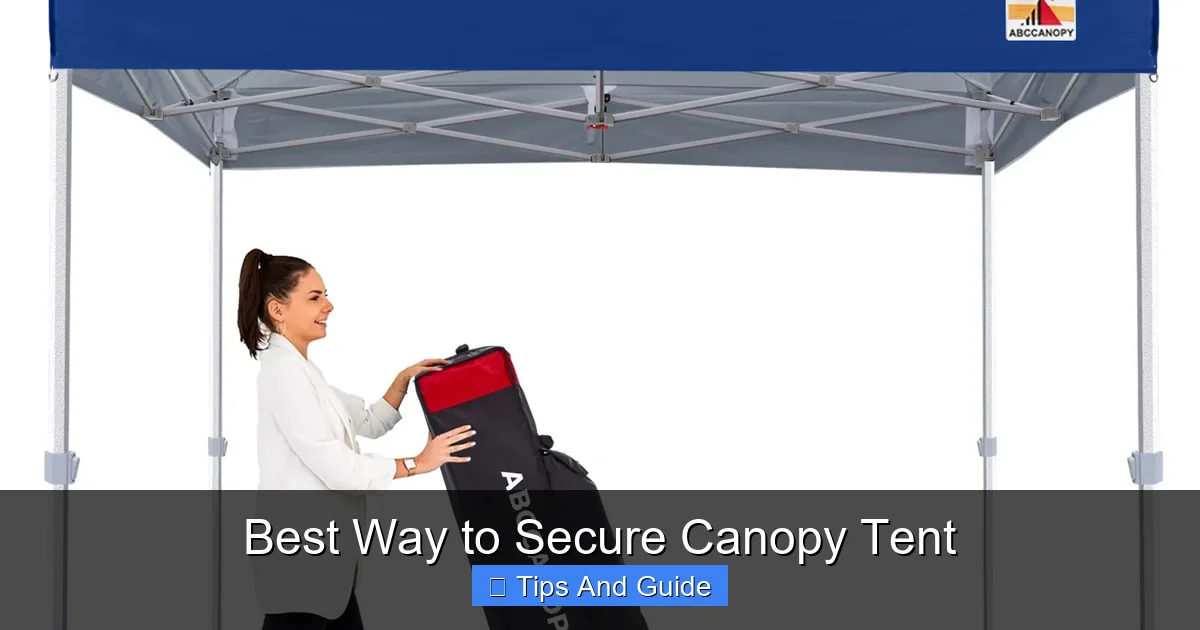
Best Way to Secure Canopy Tent
Securing your canopy tent properly is essential for safety, durability, and peace of mind—especially in windy or unpredictable weather. This guide covers the most effective methods, from using heavy-duty stakes and weights to strategic anchoring, so your tent stays put no matter what nature throws at it.
Key Takeaways
- Use heavy-duty stakes for soft ground: Opt for long, durable metal stakes driven at a 45-degree angle to prevent pull-out in dirt or grass.
- Add weight bags or sandbags for hard surfaces: When you can’t stake into concrete or pavement, use weighted anchors on each leg to keep the canopy stable.
- Tie down with high-tension ropes and ratchets: Secure guylines to fixed objects like trees, fences, or tent pegs to reduce sway and increase stability.
- Choose the right anchoring system for your terrain: Match your securing method to the ground type—sand, grass, concrete, or uneven surfaces—for maximum effectiveness.
- Inspect and re-tighten regularly: Wind and rain can loosen stakes and straps, so check your setup frequently during long events or storms.
- Reinforce corners and center joints: Weak points are most vulnerable; extra support here prevents collapse and extends canopy life.
📑 Table of Contents
- Why Securing Your Canopy Tent Matters
- Understanding Wind Forces and Canopy Vulnerability
- Choosing the Right Anchoring Method for Your Terrain
- Essential Tools and Accessories for Maximum Stability
- Step-by-Step: How to Secure Your Canopy Tent Like a Pro
- Maintenance and Safety Tips for Long-Term Use
- Conclusion
Why Securing Your Canopy Tent Matters
Imagine setting up your canopy tent for a backyard barbecue, only to have it lift off like a kite when a sudden gust hits. Not only is that embarrassing, but it can also be dangerous—flying fabric and metal poles pose serious risks to people and property. That’s why knowing the best way to secure canopy tent is more than just a tip—it’s a necessity.
Whether you’re using your canopy for camping, outdoor markets, parties, or shade in the backyard, wind is the number one enemy. Even a light breeze can build up pressure under the canopy, turning it into a sail. Without proper anchoring, your investment could be damaged or worse—cause injury. The good news? With the right tools and techniques, you can keep your canopy firmly grounded in almost any condition.
Understanding Wind Forces and Canopy Vulnerability
Canopy tents are lightweight by design, which makes them easy to transport and set up—but also vulnerable to wind. The larger the canopy, the more surface area wind has to grab onto. A 10×10 canopy, for example, can catch enough wind to lift several hundred pounds if not secured properly.
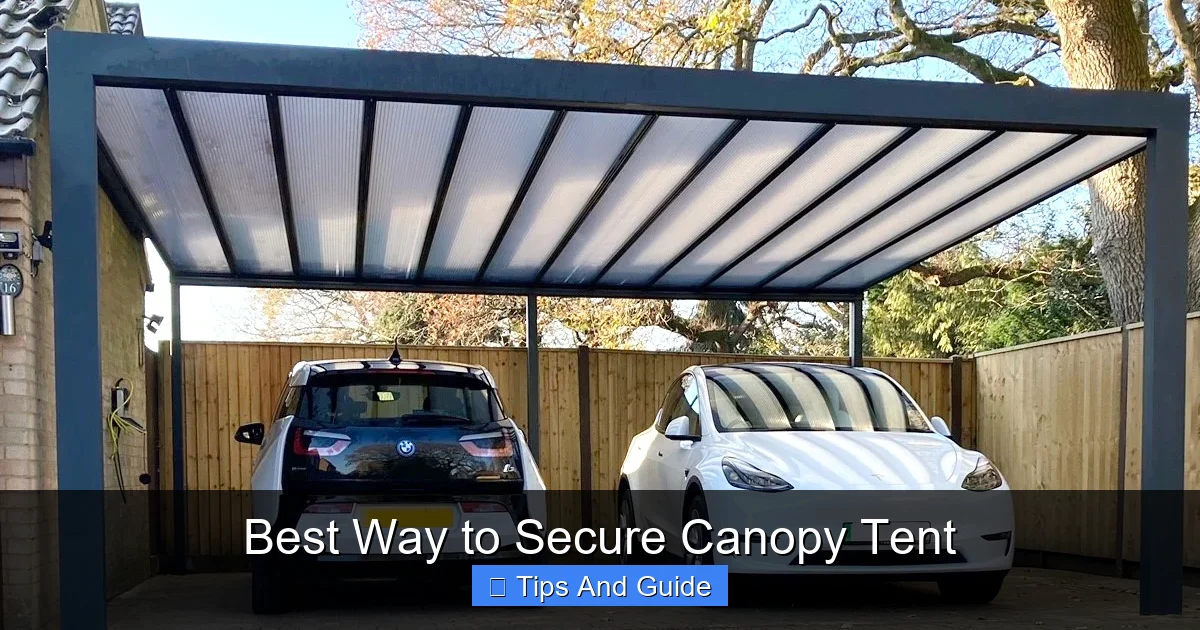
Visual guide about Best Way to Secure Canopy Tent
Image source: milwoodgroup.com
How Wind Affects Your Canopy
Wind doesn’t just push sideways—it also lifts upward. As air flows over the curved top of the canopy, it creates low pressure above and high pressure below, generating lift. This is why canopies often flip or collapse from the top down. Additionally, gusts can cause swaying, which stresses the frame and joints over time.
Common Failure Points
Most canopy failures happen at the corners and center joints. These areas bear the most tension and are often the first to give way under stress. If your stakes pull out or your weights shift, the entire structure becomes unstable. That’s why reinforcing these spots is a critical part of the best way to secure canopy tent.
Choosing the Right Anchoring Method for Your Terrain
Not all ground is created equal—and your anchoring strategy should match the surface you’re working with. What works on grass might fail on concrete, and vice versa. Let’s break down the best options by terrain type.
Soft Ground: Grass, Dirt, and Sand
For natural surfaces like grass or dirt, heavy-duty metal stakes are your best friend. Look for stakes that are at least 10–12 inches long with a wide hook or screw design. Drive them into the ground at a 45-degree angle away from the canopy leg to maximize holding power.
Example: If you’re at a park or campsite, use a rubber mallet to sink stakes deep. For sandy areas like beaches, consider longer stakes (18 inches or more) or screw-in auger-style stakes that grip better in loose soil.
Hard Surfaces: Concrete, Asphalt, or Decks
When you can’t stake into the ground, weights are the answer. Sandbags, weight bags, or concrete blocks placed on each leg can provide the necessary downward force. Most canopy kits come with weight bags, but you can also buy heavier-duty versions filled with sand or water.
Tip: Distribute the weight evenly. Use at least 25–40 pounds per leg for a standard 10×10 canopy. For windy areas, go heavier—up to 50 pounds per corner.
Uneven or Sloped Ground
On hills or uneven terrain, standard stakes may not hold. In these cases, use longer guylines and multiple anchor points. Run ropes from the canopy corners to stakes placed downhill, creating a triangular bracing system. This helps counteract the pull of gravity and wind.
Essential Tools and Accessories for Maximum Stability
The best way to secure canopy tent isn’t just about technique—it’s also about using the right gear. Here are the must-have tools that make anchoring safe and effective.
Heavy-Duty Stakes and Pegs
Skip the flimsy plastic stakes that come with some canopies. Invest in galvanized steel or aluminum stakes with a corkscrew or hook design. These resist bending and hold better in tough conditions.
Weight Bags and Sandbags
For hard surfaces, weight bags are essential. Look for ones with adjustable straps that wrap securely around the canopy legs. Fill them with sand, pebbles, or even water (though water can leak, so use sealed bags).
Guy Ropes and Ratchet Straps
Guylines help stabilize the canopy by pulling it taut in multiple directions. Use high-tensile nylon ropes with adjustable tensioners or ratchet straps. Attach them to the canopy’s corner grommets and anchor to trees, posts, or ground stakes.
Pro Tip: Use a trucker’s hitch knot for quick, tight tension without tools. It’s a simple loop-and-pull method that creates a mechanical advantage.
Wind Bars and Frame Reinforcements
Some canopies come with optional wind bars—horizontal supports that connect the legs and reduce flex. If yours doesn’t, consider adding aftermarket reinforcement kits. These are especially useful for larger canopies (12×12 or bigger).
Step-by-Step: How to Secure Your Canopy Tent Like a Pro
Now that you know the tools and methods, let’s walk through the process of securing your canopy step by step. Follow these instructions for a safe, wind-resistant setup.
Step 1: Choose the Right Location
Start by picking a flat, open area away from trees, power lines, or structures that could block wind or create hazards. Avoid low spots where water might pool if it rains.
Step 2: Set Up the Canopy Frame
Assemble the frame according to the manufacturer’s instructions. Make sure all joints are locked and the legs are fully extended. Don’t rush this step—loose connections are a common cause of failure.
Step 3: Attach the Canopy Top
Drape the fabric over the frame and secure it using the provided clips or Velcro straps. Ensure the top is centered and taut, but not overstretched.
Step 4: Anchor the Legs
For soft ground: Drive stakes through the leg feet at a 45-degree angle. For hard surfaces: Place weight bags on each leg, ensuring they’re centered and secure.
Step 5: Install Guy Ropes
Run guylines from each corner to anchor points 6–8 feet away. Tighten using ratchets or knots. Aim for a 45-degree angle from the ground for optimal tension.
Step 6: Double-Check Everything
Give each stake, weight, and rope a firm tug. Walk around the canopy and look for loose spots. Adjust as needed. If it’s windy, recheck every hour.
Maintenance and Safety Tips for Long-Term Use
Even the best-secured canopy needs regular care. Weather, UV exposure, and repeated use can weaken materials over time. Here’s how to keep your setup safe and reliable.
Inspect Before Every Use
Check stakes for bends, ropes for fraying, and fabric for tears. Replace damaged parts immediately. A small issue can become a big problem in high winds.
Re-Tighten During Events
Wind and rain can loosen stakes and straps. If you’re using the canopy for a full day, do a quick check every few hours. Bring a mallet and spare stakes just in case.
Store Properly
After use, clean the canopy top and let it dry completely before folding. Store in a dry, cool place to prevent mold and fabric degradation. For tips on proper storage, check out our guide on the best way to fold up a tent.
Know When to Take It Down
If winds exceed 30–40 mph, it’s safer to dismantle the canopy than risk damage. Don’t wait for it to fail—act early. For extreme weather, consider a permanent shelter instead.
Conclusion
Securing your canopy tent doesn’t have to be complicated—but it does require attention to detail. By using the right stakes, weights, and guylines, and matching your method to the terrain, you can enjoy a safe, stable shelter in almost any condition. Remember, the best way to secure canopy tent is proactive: plan ahead, use quality gear, and never underestimate the power of wind.
Whether you’re hosting a party, selling at a market, or just relaxing in the shade, a well-anchored canopy gives you peace of mind. So next time you set up, take that extra minute to double-check your anchors. Your safety—and your sanity—will thank you.
Frequently Asked Questions
What is the best way to secure a canopy tent on concrete?
The best way to secure a canopy tent on concrete is to use heavy weight bags or sandbags on each leg. Aim for at least 25–40 pounds per corner, and ensure the weights are centered and secure to prevent shifting.
Can you stake a canopy tent in the sand?
Yes, but you’ll need longer, screw-in auger stakes (18 inches or more) to grip the loose sand. Drive them deep and at an angle, and consider using guylines for extra stability.
How much wind can a secured canopy tent withstand?
A properly anchored canopy can typically handle winds up to 30–40 mph. Beyond that, it’s safer to take it down. Always monitor weather forecasts and act early if strong winds are expected.
Do I need guylines if I’m using weight bags?
Yes, guylines add lateral stability and reduce sway. Even with weights, ropes tied to fixed objects help prevent the canopy from shifting or lifting in gusts.
What should I do if my canopy starts to lift in the wind?
Immediately add more weight or tighten guylines. If it’s unsafe, take the canopy down. Never try to hold it manually—this can lead to injury.
How often should I check my canopy’s anchors during use?
Check every 1–2 hours during windy or rainy conditions. Re-tighten stakes and ropes as needed. For long events, bring extra stakes and tools for quick fixes.