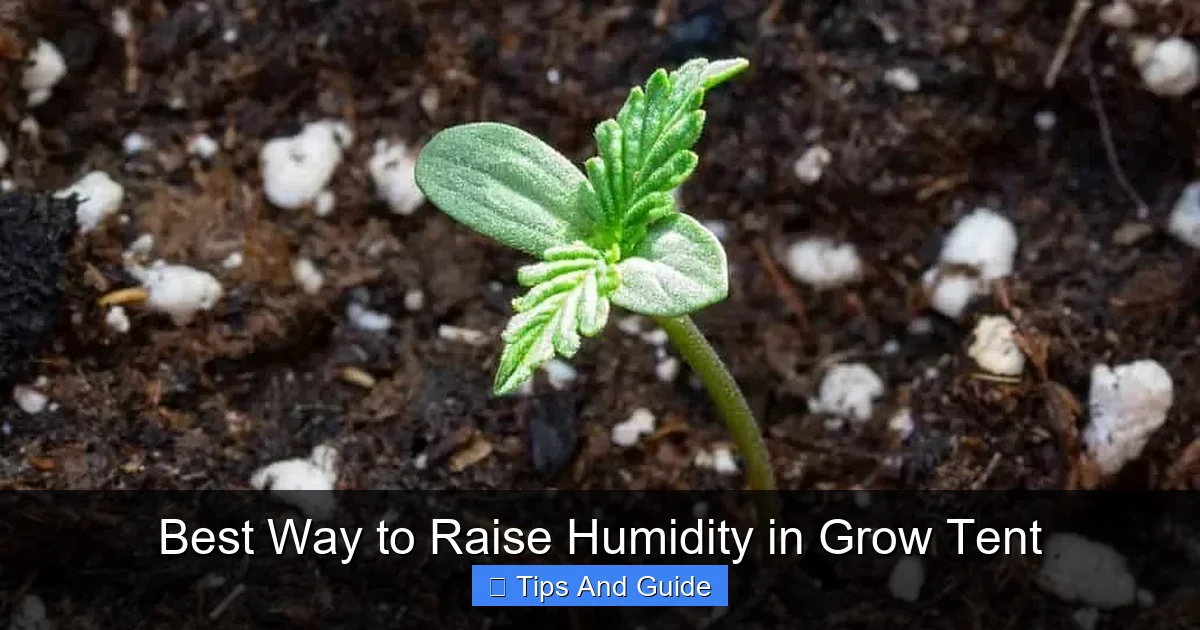
Best Way to Raise Humidity in Grow Tent
Struggling with low humidity in your grow tent? You’re not alone. Many indoor gardeners face this challenge, especially during seedling or vegetative stages. The best way to raise humidity in grow tent environments combines smart tools, natural techniques, and consistent monitoring to create the perfect moisture balance for thriving plants.
Key Takeaways
- Use a quality humidifier: The most effective and consistent method to raise humidity, especially in larger grow tents.
- Try a pebble tray with water: A simple, low-cost DIY solution that increases moisture through evaporation.
- Group plants together: Plants naturally release moisture through transpiration, boosting local humidity.
- Adjust ventilation and airflow: Reduce exhaust fan speed or use timers to prevent rapid humidity loss.
- Monitor with a hygrometer: Always track humidity levels to avoid over-humidifying and prevent mold or mildew.
- Use mulch or wet towels: Temporary fixes that add moisture, ideal for short-term needs or small setups.
- Insulate your grow tent: Prevents temperature swings that can destabilize humidity levels.
📑 Table of Contents
Why Humidity Matters in a Grow Tent
Growing plants indoors gives you full control over the environment—light, temperature, nutrients, and yes, humidity. But while many growers focus on lighting and nutrients, humidity often gets overlooked. That’s a mistake. Humidity plays a crucial role in how well your plants absorb water and nutrients, especially during early growth stages.
Seedlings and young plants, in particular, thrive in higher humidity—usually between 60% and 70%. At this stage, their root systems are underdeveloped, so they rely heavily on moisture in the air to stay hydrated. As plants mature, they can tolerate lower humidity, but getting it right early on sets the foundation for strong, healthy growth.
Low humidity can cause leaves to dry out, stunt growth, and increase stress on plants. On the flip side, too much humidity can invite mold, mildew, and root rot. That’s why finding the best way to raise humidity in grow tent setups isn’t just helpful—it’s essential for success.
Top Methods to Increase Humidity in Your Grow Tent
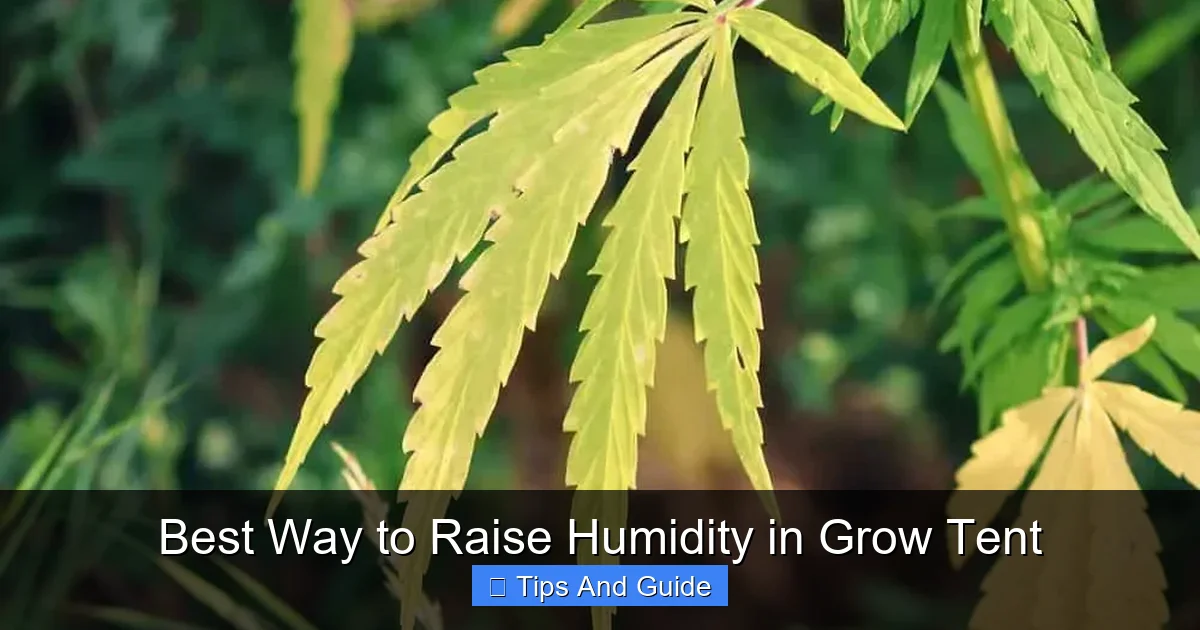
Visual guide about Best Way to Raise Humidity in Grow Tent
Image source: growlightinfo.com
There’s no one-size-fits-all solution, but combining a few proven methods can help you maintain ideal humidity levels. Let’s break down the most effective strategies, from high-tech tools to simple DIY hacks.
1. Use a Humidifier (The Gold Standard)
If you’re serious about indoor growing, a humidifier is the best way to raise humidity in grow tent environments. These devices add moisture to the air automatically and can be set to maintain a specific humidity level.
Ultrasonic humidifiers are popular among growers because they’re quiet, energy-efficient, and produce a fine mist. Look for models with built-in hygrometers and timers for hands-off control. For larger tents, consider a larger-capacity unit or even a whole-room humidifier placed near the tent.
Pro tip: Place the humidifier just outside the tent and direct the mist into the intake vent. This prevents water from pooling inside and reduces the risk of electrical hazards.
2. Pebble Tray with Water
Don’t have a humidifier? No problem. A pebble tray is a simple, budget-friendly alternative. Fill a shallow tray with clean pebbles or gravel, add water until it’s just below the top of the stones, and place your plant pots on top.
As the water evaporates, it increases the humidity around the plants. This method works best for small tents or when you only need a slight boost. Just remember to refill the water regularly and clean the tray to prevent algae or bacteria buildup.
3. Group Your Plants Together
Plants naturally release moisture into the air through a process called transpiration. When you group several plants close together, they create a microclimate with higher humidity—perfect for seedlings and clones.
This method is free and requires no equipment. Just make sure there’s still enough space for airflow to prevent mold. If your tent feels too dry, try clustering your younger plants in one area and using a small fan on low to circulate the moist air.
4. Reduce Exhaust Fan Speed or Use a Timer
Your exhaust fan is great for controlling temperature and removing stale air, but it also pulls out moisture. Running it at full blast 24/7 can make it nearly impossible to maintain high humidity.
One of the best ways to raise humidity in grow tent setups is to adjust your fan settings. Use a fan speed controller or a timer to run the exhaust intermittently—say, 10 minutes on, 20 minutes off—during the first few weeks of growth. This gives moisture time to build up without being constantly sucked out.
Alternatively, consider upgrading to a smart controller that adjusts fan speed based on humidity readings. These systems automate the process and make it easier to maintain stable conditions.
5. Use Mulch or Damp Towels
For a quick, temporary fix, try placing a damp towel near your plants or covering the soil with a layer of mulch. As the towel dries, it releases moisture into the air. Similarly, mulch (like coconut coir or straw) helps retain soil moisture and slows evaporation, which can slightly increase ambient humidity.
These methods won’t replace a humidifier, but they’re great for short-term use—like when you’re waiting for a new humidifier to arrive or during a heatwave that’s drying out your tent.
How to Monitor and Maintain Ideal Humidity Levels
Raising humidity is one thing—keeping it stable is another. Fluctuations can stress plants and lead to problems like powdery mildew or nutrient lockout. That’s why monitoring is key.
Use a Digital Hygrometer
A hygrometer measures humidity levels in your grow tent. Analog models are cheap but often inaccurate. For reliable readings, go with a digital hygrometer. Many also include temperature readings, which is a bonus since temperature and humidity are closely linked.
Place the hygrometer at plant height, away from direct light or water sources, for the most accurate reading. Check it daily, especially during the first few weeks of growth.
Adjust Based on Growth Stage
Different stages of plant growth require different humidity levels:
- Germination & Seedlings: 65–70% humidity
- Vegetative Stage: 50–60% humidity
- Flowering Stage: 40–50% humidity
As your plants grow, gradually reduce humidity to prevent mold and encourage stronger stems. This process, called “hardening off,” helps plants adapt to lower moisture levels.
Watch for Warning Signs
Too much humidity can be just as harmful as too little. Look out for:
- Condensation on walls or leaves
- White, powdery spots (signs of mildew)
- Slow growth or yellowing leaves
- Musty smells
If you notice any of these, increase ventilation or reduce your humidification efforts. A small oscillating fan can help circulate air and prevent stagnant, damp conditions.
Common Mistakes to Avoid
Even experienced growers make humidity mistakes. Here are a few to watch out for:
Overwatering to Compensate for Low Humidity
Some growers think more water equals more humidity. But overwatering can drown roots and lead to root rot. Instead, focus on increasing air moisture, not soil moisture.
Ignoring Temperature
Warm air holds more moisture than cool air. If your tent is too cold, even a humidifier might not raise humidity enough. Keep temperatures in the ideal range (70–85°F for most plants) to help maintain stable humidity.
Using Tap Water in Humidifiers
Tap water contains minerals that can build up in your humidifier and release white dust into the air. This can clog nozzles and harm plants. Always use distilled or filtered water in your humidifier to keep it running smoothly.
Bonus Tips for Maximum Effectiveness
Want to take your humidity control to the next level? Try these pro tips:
- Insulate your grow tent: Reflective insulation or thermal liners help maintain stable temperatures and humidity. This is especially useful in colder climates. For more on this, check out our guide on the best way to insulate a tent.
- Seal air leaks: Gaps around zippers or vents let humid air escape. Use weather stripping or duct tape to seal them.
- Upgrade your grow tent: Some tents are designed with humidity control in mind, featuring double zippers, better seals, and ventilation options. If you’re struggling with moisture loss, it might be time for an upgrade.
- Use a humidity dome for clones: If you’re propagating cuttings, a humidity dome creates a mini greenhouse effect, keeping moisture levels high until roots develop.
Conclusion
Finding the best way to raise humidity in grow tent environments doesn’t have to be complicated. With the right tools and techniques, you can create a stable, plant-friendly atmosphere that supports strong, healthy growth from seed to harvest.
Start with a humidifier for consistent results, support it with natural methods like pebble trays and plant grouping, and always monitor levels with a hygrometer. Adjust your approach based on your plants’ growth stage and watch for signs of imbalance.
Remember, every grow setup is unique. What works for one person might need tweaking for another. But with patience and attention to detail, you’ll master humidity control—and your plants will thank you with lush, vibrant growth.
For more tips on managing your grow tent environment, explore our guide on the best way to control humidity in grow tent setups, or learn how to keep your space warm and dry with our article on the best way to keep tent dry in rain.
Frequently Asked Questions
What is the ideal humidity for seedlings in a grow tent?
The ideal humidity for seedlings is between 65% and 70%. This high moisture level helps young plants absorb water and nutrients more efficiently while their root systems are still developing.
Can I use a regular room humidifier in my grow tent?
Yes, you can use a regular room humidifier, but make sure it’s clean and designed for continuous use. Place it outside the tent and direct the mist inside to avoid water damage or electrical risks.
How often should I check humidity levels?
Check humidity at least once a day, preferably at the same time. Use a digital hygrometer for accurate readings and adjust your humidification methods as needed.
Will too much humidity harm my plants?
Yes, excessive humidity can lead to mold, mildew, and root rot. Keep humidity below 70% after the seedling stage and ensure proper airflow to prevent moisture buildup.
Can I raise humidity without a humidifier?
Absolutely. Methods like pebble trays, grouping plants, and using damp towels can increase humidity. However, they’re less precise and may not work well in large or poorly sealed tents.
Should I run my exhaust fan all the time?
Not during early growth stages. Running the exhaust fan constantly removes moisture. Use a timer or speed controller to run it intermittently and maintain higher humidity when needed.