Best Way to Put a Tarp Under a Tent
Putting a tarp under your tent is one of the smartest moves you can make to protect your shelter and gear. It prevents moisture from seeping up, blocks sharp objects, and adds an extra layer of insulation. When done right, it keeps your tent floor dry and extends its lifespan—no more soggy sleeping bags or torn floors.
Key Takeaways
- Protects the tent floor: A tarp shields the bottom of your tent from rocks, roots, and moisture, reducing wear and tear.
- Prevents ground moisture: Water from damp soil can wick up into your tent—using a tarp stops this from happening.
- Improves insulation: A tarp adds a thin layer of air and material that helps keep you warmer, especially in cold weather.
- Must be smaller than the tent: Always cut or fold the tarp so it doesn’t stick out beyond the tent walls—this avoids channeling rainwater under your shelter.
- Use the right material: Choose a lightweight, waterproof tarp made of polyethylene or silnylon—avoid heavy or noisy fabrics.
- Secure it properly: Use stakes or rocks to anchor the tarp flat, ensuring it doesn’t bunch up or shift during the night.
- Combine with other techniques: Pair your ground tarp with a rainfly and proper site selection for full weather protection.
📑 Table of Contents
Why Putting a Tarp Under Your Tent Matters
You’ve packed your tent, sleeping bag, and snacks—ready for a weekend in the wild. But have you thought about what’s under your tent? Many campers overlook the ground, assuming the tent floor is tough enough. That’s a mistake. The ground is full of surprises: hidden rocks, damp soil, and tiny roots that can poke through fabric over time.
That’s where a tarp comes in. Placing a tarp under your tent is like giving your shelter a protective shield. It keeps moisture from rising into your tent, blocks sharp objects, and even helps regulate temperature. Think of it as a simple upgrade that pays off big in comfort and durability. Whether you’re car camping or backpacking, this small step can make a huge difference in how your trip goes.
Choosing the Right Tarp for Your Tent
Not all tarps are created equal. Picking the wrong one can lead to noise, weight, or even leaks. So, what should you look for?
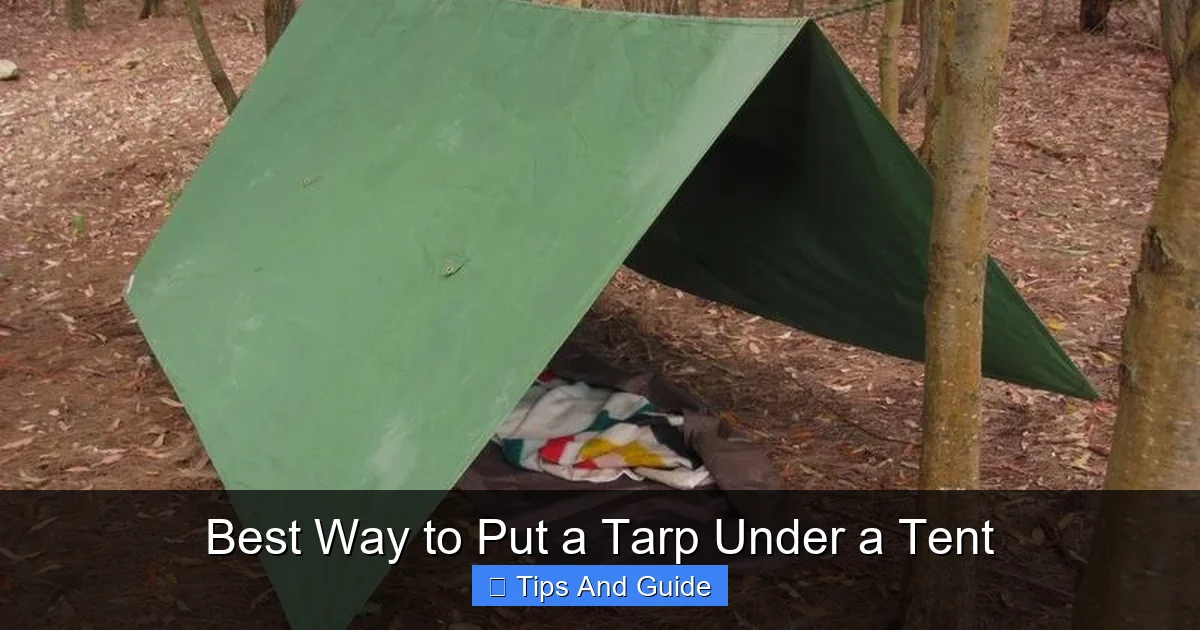
Visual guide about Best Way to Put a Tarp Under a Tent
Image source: s3.amazonaws.com
Material Matters
Most campers go for polyethylene (poly) tarps because they’re affordable, waterproof, and durable. They come in various thicknesses—look for at least 5–7 mil for good protection. Silnylon is another great option, especially for backpackers. It’s lighter and packs smaller, though it can be more expensive and less tear-resistant.
Avoid canvas or heavy-duty tarps unless you’re car camping. They’re bulky, take forever to dry, and can be overkill for most trips. Also, skip anything with a shiny, reflective surface—it can create glare and make your campsite feel like a construction zone.
Size and Shape
Here’s a golden rule: your tarp should be slightly smaller than your tent floor. If it sticks out beyond the edges, rain can run down the tarp and pool under your tent—exactly what you’re trying to avoid. For most dome tents, a tarp that’s 2–3 inches smaller on each side works perfectly.
You can buy pre-cut tarps or cut one yourself. Use a measuring tape and permanent marker to mark the size, then trim with sharp scissors or a utility knife. Rounded corners help prevent flapping in the wind and reduce tripping hazards.
How to Lay the Tarp Correctly
Now that you’ve got the right tarp, it’s time to put it down. This step is crucial—even the best tarp won’t help if it’s wrinkled or misaligned.
Pick the Right Spot
Start by choosing a flat, dry area. Clear away sticks, stones, and pinecones. Even small debris can puncture your tarp or make sleeping uncomfortable. If the ground is damp, look for higher ground or a spot with better drainage.
Once you’ve found your spot, lay the tarp down first—before setting up the tent. This ensures the tarp stays flat and doesn’t get tangled in tent poles.
Position and Secure
Center the tarp under where your tent will go. Make sure it’s smooth and wrinkle-free. Bunched-up material can create pressure points that wear out your tent floor faster. Use lightweight stakes, rocks, or logs to hold the corners in place. Don’t over-tighten—just enough to keep it from shifting.
Pro tip: If you’re camping on soft ground, fold the edges of the tarp under itself. This creates a clean border and reduces the chance of water sneaking in from the sides.
Avoiding Common Mistakes
Even experienced campers make errors when using a ground tarp. Here are a few traps to avoid.
Letting the Tarp Stick Out
This is the #1 mistake. A tarp that extends beyond the tent walls acts like a funnel during rain. Water hits the tarp, runs down, and soaks into the ground right under your tent. The result? A wet floor and a miserable night. Always double-check the fit before staking your tent.
Using a Tarp That’s Too Thick
While durability is good, a super-thick tarp can be heavy and hard to pack. For backpacking, stick to lightweight options under 2 ounces per square foot. Car campers have more flexibility, but even then, aim for balance between protection and convenience.
Ignoring Ventilation
Some campers worry that a tarp will trap moisture underneath. But if your tent has a breathable floor and you’re on dry ground, this isn’t usually an issue. Still, avoid placing the tarp on wet grass or mud—let the ground dry first if possible. And never seal the tarp completely; a little airflow helps prevent condensation.
Combining the Tarp with Other Camping Strategies
A ground tarp works best as part of a full protection plan. Pair it with smart setup and maintenance habits for the best results.
Use a Rainfly Overhead
While the tarp protects from below, a rainfly shields you from above. Make sure your tent’s rainfly is properly tensioned and covers the entire shelter. This dual-layer approach keeps you dry from all angles. For extra peace of mind, check out our guide on the best way to hang a tarp over a tent for added overhead coverage.
Insulate for Comfort
In cold weather, a tarp adds a tiny bit of insulation by trapping a layer of air between the ground and your tent. But don’t rely on it alone. For real warmth, use a sleeping pad with a high R-value and consider a tent insulation strategy like foam mats or insulated footprints. This combo keeps you cozy even on chilly nights.
Keep Your Tent Dry and Clean
After your trip, always dry your tent and tarp before packing them away. A damp tarp can lead to mold and mildew, which damages both the tarp and your tent floor. If you’re dealing with a wet tent, follow our step-by-step guide to drying out a tent to prevent long-term damage.
When You Might Skip the Tarp
While a tarp is usually a good idea, there are a few exceptions. If you’re camping on a well-maintained campground with a gravel or wooden platform, the ground may already be protected. Some ultralight backpackers also skip the tarp to save weight, relying instead on a high-denier tent floor.
But even in these cases, a small, folded tarp tucked under high-wear areas (like the foot of your sleeping bag) can add extra protection without much bulk. It’s all about balancing convenience and care.
Final Thoughts: A Simple Step with Big Rewards
Putting a tarp under your tent might seem like a small detail, but it’s one of those habits that separates seasoned campers from the rest. It’s easy, affordable, and effective. With the right tarp, proper placement, and a little attention to detail, you’ll keep your tent floor intact, your gear dry, and your nights comfortable.
So next time you head out, don’t forget the tarp. Roll it out, smooth it flat, and stake it down. Your tent—and your future self—will thank you. And if you’re looking to upgrade other parts of your camping setup, explore tips on keeping your tent dry in rain or cleaning your tent after camping to keep everything in top shape.
Frequently Asked Questions
Should the tarp be bigger than the tent?
No, the tarp should always be slightly smaller than the tent floor. If it extends beyond the edges, rain can run down the tarp and seep under your tent, causing leaks.
Can I use a plastic sheet instead of a tarp?
You can, but it’s not ideal. Plastic sheets are often thinner, noisier, and less durable than proper tarps. They tear easily and can create more condensation. A quality polyethylene tarp is a better long-term choice.
Do I need a tarp if my tent has a footprint?
A footprint is essentially a built-in tarp, so you may not need an extra one. But if you’re camping on rough or wet ground, adding a tarp can provide double protection and extend the life of your footprint.
How do I keep the tarp from sliding around?
Use lightweight stakes, rocks, or logs to anchor each corner. Make sure the tarp is smooth and flat before staking. Folding the edges under can also help prevent shifting.
Will a tarp make my tent colder?
Not usually. In fact, a tarp can add a small insulating layer by trapping air. However, if the ground is very cold, combine the tarp with a sleeping pad for better warmth.
Can I put a tarp under a tent on a slope?
Yes, but position the tarp so water runs off the sides, not under the tent. Angle the tarp slightly and ensure it’s fully covered by the tent to avoid channeling rainwater inward.