Best Way to Pitch a Tent
Pitching a tent correctly ensures comfort, safety, and durability during your camping trip. This guide covers everything from site selection to securing your shelter, helping you master the best way to pitch a tent in any condition.
[FEATURED_IMAGE_PLACEHENT]
Key Takeaways
- Choose the right location: Look for flat, dry ground away from hazards like water runoff or dead trees.
- Clear and prepare the site: Remove rocks, sticks, and debris to protect your tent floor and ensure comfort.
- Use a ground tarp: Place a waterproof tarp under your tent to prevent moisture and wear.
- Follow the tent setup instructions: Each tent model is different—read the manual or practice at home first.
- Secure with proper stakes and guylines: Use sturdy stakes and tension guylines to withstand wind and weather.
- Practice makes perfect: Set up your tent at home before your trip to avoid frustration in the field.
- Maintain your tent: Clean and dry it after use to extend its lifespan and performance.
📑 Table of Contents
Why Pitching a Tent Properly Matters
Whether you’re a weekend warrior or a seasoned backpacker, knowing the best way to pitch a tent is essential. A poorly set-up tent can lead to leaks, collapsed poles, or even injury during bad weather. On the flip side, a well-pitched tent offers comfort, protection, and peace of mind—no matter where your adventure takes you.
Many beginners assume that throwing a tent on the ground and zipping it up is enough. But true camping success comes from careful preparation and technique. From choosing the ideal spot to securing every stake, each step plays a role in your overall experience. This guide will walk you through the entire process, so you can pitch your tent confidently—every single time.
Step 1: Choose the Perfect Campsite
The foundation of a great camping experience starts with where you place your tent. Even the best tent won’t save you if it’s set up in a flood zone or under a rotting branch. So, take your time scouting the area before unloading your gear.

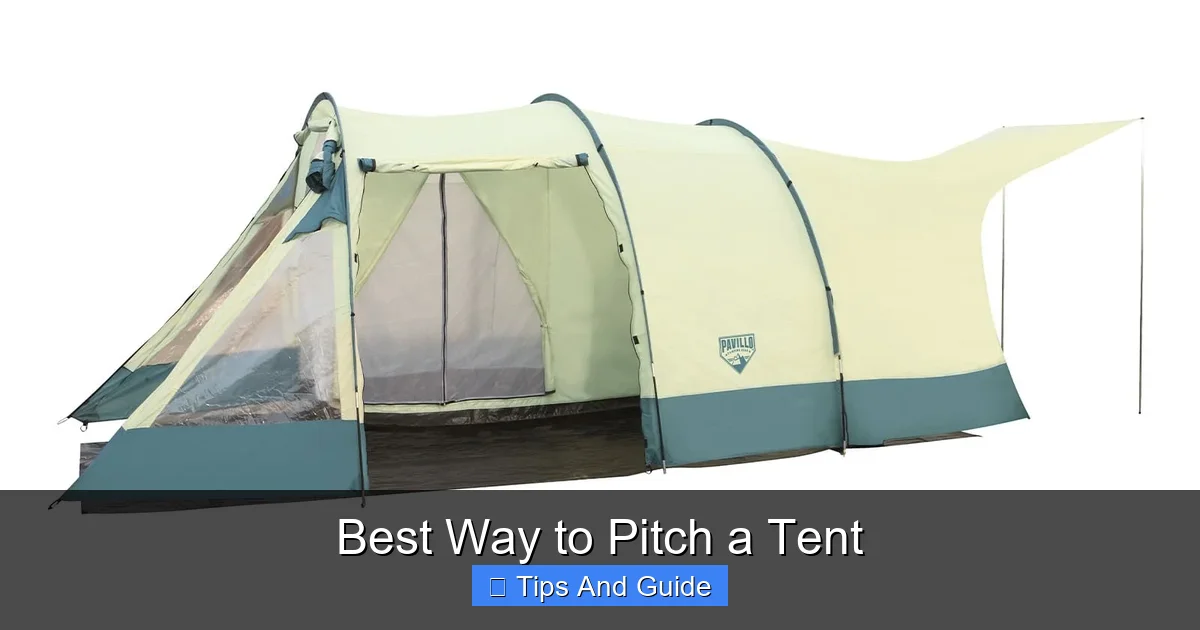
Visual guide about Best Way to Pitch a Tent
Image source: bestwaystore.es
Look for Level Ground
A flat surface is crucial for comfort and safety. Sleeping on a slope means you’ll slide down all night, and uneven ground can stress your tent’s frame. Use your feet or a small level to check for dips or inclines. If the ground is slightly uneven, try to position your head at the higher end to improve drainage and comfort.
Avoid Natural Hazards
Stay away from dry creek beds, ravines, or low-lying areas that could fill with water during rain. Also, avoid setting up under dead trees or large branches—these can fall in strong winds. And never pitch your tent directly under beehives, ant mounds, or animal trails.
Consider Wind and Sun Exposure
Face your tent door away from prevailing winds to reduce drafts and debris. In hot climates, position your tent so it gets morning sun but is shaded during the hottest part of the day. In colder weather, a little sunlight can help warm your shelter naturally. For more tips on staying comfortable in extreme temperatures, check out our guide on the best way to keep warm in a tent.
Step 2: Prepare the Ground
Once you’ve found the ideal spot, it’s time to prep the area. A little effort here prevents big problems later.
Clear the Area
Remove rocks, sticks, pinecones, and any sharp objects that could puncture your tent floor or make sleeping uncomfortable. Use your hands or a small brush to sweep the area clean. If you’re backpacking, consider bringing a lightweight groundsheet or footprint specifically designed for your tent model.
Use a Ground Tarp or Footprint
Always place a waterproof tarp or tent footprint underneath your tent. This extra layer protects against moisture, abrasion, and dirt. Make sure the tarp is slightly smaller than your tent’s base—this prevents water from pooling under the tent during rain. Overlapping the tarp too much can channel water right into your shelter.
Check for Hidden Dampness
Even if the ground looks dry, it might be damp beneath the surface. Press your hand or knee into the soil to test for moisture. If it feels cool or spongy, consider finding a drier spot or using additional insulation like foam sleeping pads.
Step 3: Assemble and Raise the Tent
Now comes the fun part—setting up your shelter. Follow these steps to ensure a smooth and secure setup.
Lay Out the Tent Body
Unpack your tent and lay the body flat on the prepared site with the door facing the desired direction. Make sure all zippers are closed to prevent insects from getting in during setup.
Insert and Connect the Poles
Most modern tents use color-coded poles and clips for easy assembly. Slide the poles through the sleeves or attach them to the clips, starting at one end and working your way across. Gently lift the tent as you go, allowing the structure to take shape. Don’t force the poles—they should bend naturally into the frame.
Raise the Tent
Once all poles are in place, stand the tent upright. For larger family tents, you may need a second person to help hold it steady. Make sure the fabric is evenly tensioned and not bunched up in one area.
Step 4: Secure the Tent with Stakes and Guylines
A tent isn’t truly pitched until it’s anchored properly. Wind, rain, and even your movements inside can shift an unsecured tent.
Stake Down the Corners First
Start by staking the four main corners of your tent. Use sturdy, Y- or V-shaped stakes driven into the ground at a 45-degree angle away from the tent. This provides maximum holding power. Avoid using rocks or sticks—they can damage your tent or fail in strong winds.
Tighten the Rainfly and Attach Guylines
If your tent includes a rainfly, drape it over the top and secure it with additional stakes. Connect any guylines (tension ropes) to anchor points on the fly and stake them out away from the tent. These lines help stabilize the structure and prevent flapping in the wind.
Adjust for Weather Conditions
In windy or rainy weather, add extra stakes and guylines for reinforcement. You can also use logs, heavy rocks, or tie lines to nearby trees—just be careful not to damage the tree bark. For beach camping, sand anchors or long screw-in stakes work best. Learn more about specialized anchoring in our article on the best way to anchor a tent on the beach.
Step 5: Final Checks and Interior Setup
With the tent standing tall and secure, it’s time to make it feel like home.
Check for Tension and Gaps
Walk around the tent and inspect the fabric. It should be taut but not overly stretched. Loose areas can collect rainwater or flap noisily in the wind. Adjust stakes or guylines as needed.
Set Up the Interior
Unroll your sleeping pad and bag inside. If you’re using a tent with multiple rooms, arrange gear in the vestibule to keep the sleeping area clutter-free. Store food and scented items outside or in a bear bag to avoid attracting wildlife.
Ventilate for Comfort
Even in cold weather, proper airflow prevents condensation buildup inside the tent. Open vents slightly and keep the rainfly from touching the inner walls. In hot weather, maximize airflow by opening doors and windows. For more cooling strategies, read our guide on the best way to keep cool in a tent.
Bonus Tips for a Perfect Pitch
Mastering the best way to pitch a tent takes practice, but these pro tips can speed up your learning curve.
Practice at Home
Before your first trip, set up your tent in your backyard or living room. This helps you memorize the steps and identify any missing parts. It also builds confidence so you’re not fumbling in the dark at the campsite.
Pack Smart
Keep tent components organized in labeled bags. Store poles, stakes, and guylines separately to avoid tangles. A small repair kit with extra stakes, seam sealer, and duct tape can save the day if something breaks.
Clean and Dry After Use
Always clean your tent after camping. Shake out dirt, wipe down the floor, and let it air dry completely before storing. A damp tent can develop mold and mildew, ruining the fabric. For detailed care instructions, visit our guide on the best way to clean a tent after camping.
Conclusion
Pitching a tent may seem simple, but doing it right makes all the difference. From selecting a safe, level site to securing every stake and guyline, each step contributes to a comfortable and secure night’s sleep. By following this guide, you’ll master the best way to pitch a tent—whether you’re camping in the mountains, forest, or desert.
Remember, preparation is key. Practice at home, pack the right gear, and always respect the environment. With these skills, you’ll not only survive the outdoors—you’ll thrive in it. So next time you head into nature, you can focus on the adventure, not the setup.
Frequently Asked Questions
How long does it take to pitch a tent?
Most tents take between 5 to 15 minutes to pitch, depending on size and complexity. Practice can reduce this time significantly. Beginners should allow extra time, especially in low light or bad weather.
Can I pitch a tent on rocky ground?
It’s not ideal, but possible. Use a thick ground tarp and consider foam padding under your sleeping area. Avoid sharp rocks that could puncture the floor. If the ground is too uneven, look for a better spot.
Do I really need a tarp under my tent?
Yes. A tarp protects the tent floor from moisture, dirt, and wear. Just make sure it’s slightly smaller than the tent to prevent water from seeping underneath during rain.
What’s the best way to pitch a tent in the wind?
Face the smallest side of the tent into the wind, use extra guylines, and drive stakes at an angle. If possible, set up near natural windbreaks like trees or rocks—but not so close that branches could fall.
Can I pitch a tent on sand or snow?
Yes, but you’ll need specialized gear. On sand, use sand anchors or long screw-in stakes. In snow, pack down the area and use snow stakes or bury logs for anchor points.
Should I pitch my tent before or after dinner?
It’s best to pitch your tent before dark, especially if you’re unfamiliar with the area. Setting up in daylight gives you time to adjust and troubleshoot without added stress.