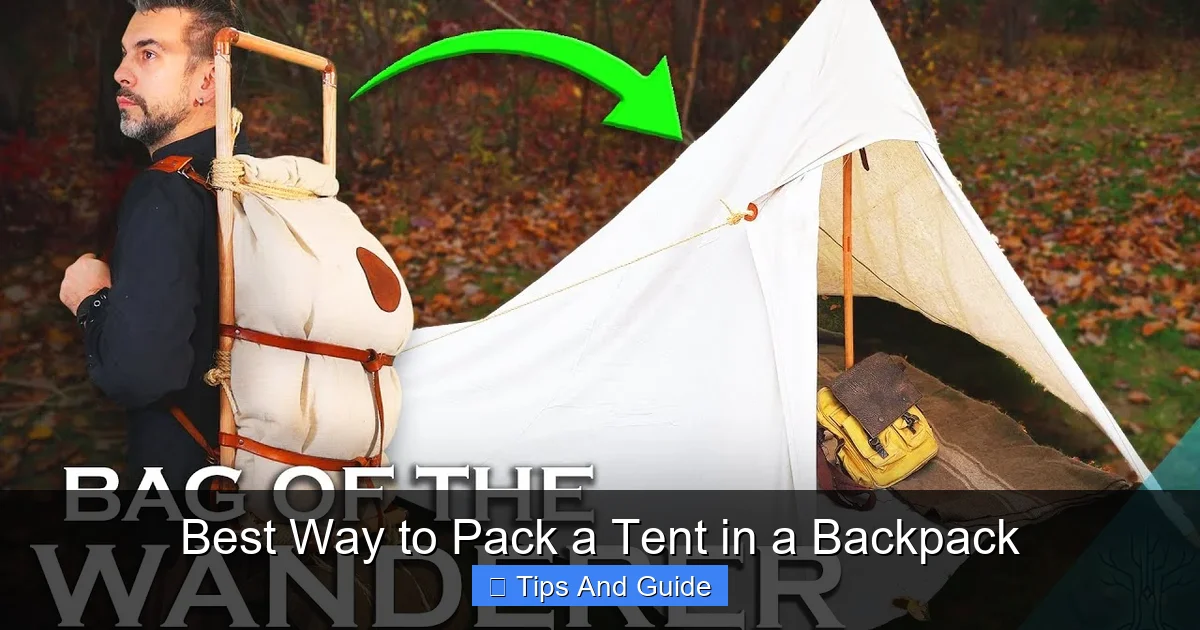
Best Way to Pack a Tent in a Backpack
Packing your tent properly in a backpack can make or break your outdoor experience. A well-packed tent saves space, protects gear, and keeps you comfortable on the trail. This guide shares proven methods to pack your tent efficiently, no matter the terrain or weather.
Key Takeaways
- Fold or roll your tent correctly: Rolling reduces wrinkles and saves space, while folding ensures a compact, uniform shape that fits snugly in your pack.
- Use a waterproof stuff sack: Keeping your tent dry is crucial—always store it in a dry bag or compression sack to prevent moisture buildup.
- Pack the tent body and rainfly separately: This prevents abrasion and allows better weight distribution inside your backpack.
- Place the tent low and close to your back: Positioning it near your spine improves balance and reduces strain during long hikes.
- Compress when possible: Use compression straps or a stuff sack with drawstrings to minimize bulk and free up room for other essentials.
- Avoid packing a wet tent: Always dry your tent before storing to prevent mold, mildew, and fabric damage.
- Consider external attachment: If space is tight, securely strap the tent to the outside of your pack using trekking pole loops or side straps.
📑 Table of Contents
Why Proper Tent Packing Matters
Imagine this: you’ve hiked for hours, the sun is setting, and all you want is to set up camp and rest. But when you pull out your tent, it’s tangled, damp, or worse—missing a pole. Frustrating, right? That’s why knowing the best way to pack a tent in a backpack is essential for any camper, hiker, or backpacker.
Proper packing isn’t just about convenience—it’s about protection. Your tent is one of your most important pieces of gear. It shields you from wind, rain, insects, and cold. If it’s packed poorly, it can get damaged, take up too much space, or become unusable when you need it most. Plus, a well-organized pack makes hiking easier, safer, and more enjoyable. When your tent is packed smartly, you’ll move better on the trail and have quicker access to your shelter at the end of the day.
Step-by-Step: How to Pack Your Tent Like a Pro
Let’s break down the process into simple, actionable steps. Whether you’re a weekend warrior or a thru-hiker, these tips will help you pack your tent efficiently every time.
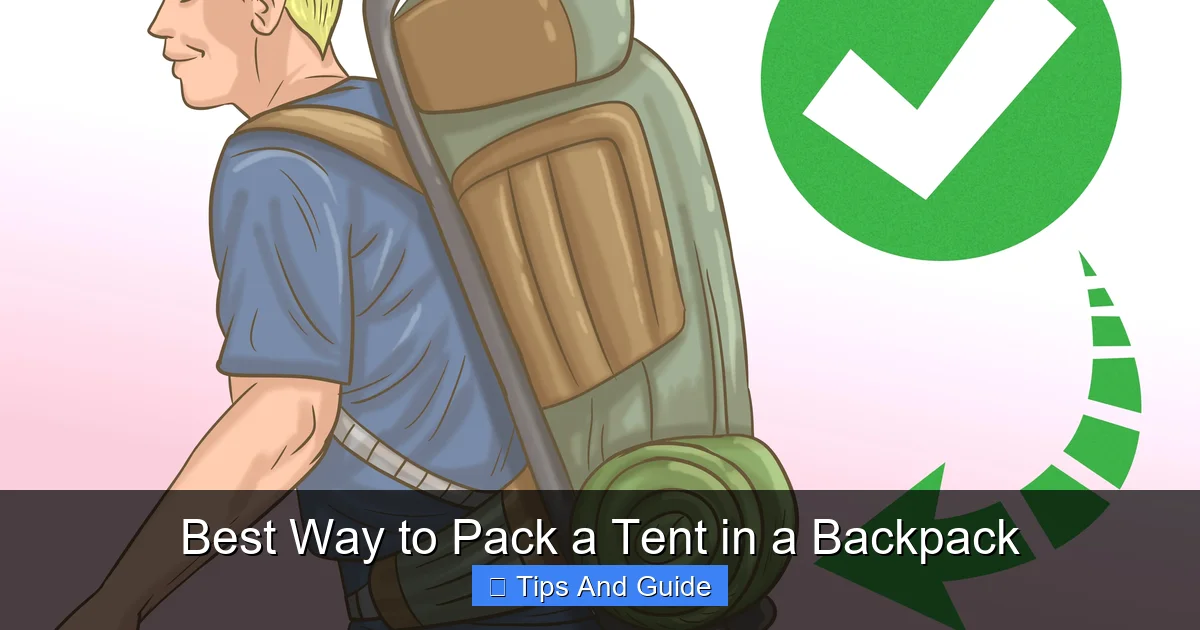
Visual guide about Best Way to Pack a Tent in a Backpack
Image source: wikihow.com
1. Clean and Dry Your Tent First
Never pack a wet or dirty tent. Moisture leads to mold and mildew, which can ruin the fabric and coatings. After your trip, shake off dirt, sand, and debris. If it’s damp, hang it up to air dry completely—even if it means waiting an extra day before packing. A dry tent lasts longer and smells better.
If you’re on the trail and can’t dry it fully, at least let it air out as much as possible. You can also use a quick-dry towel to wipe down the rainfly and floor. For more tips on drying, check out our guide on the best way to dry out a tent.
2. Disassemble and Organize Components
Take apart your tent completely. Separate the tent body, rainfly, poles, stakes, and guylines. This prevents parts from getting lost and reduces bulk. Store small items like stakes and clips in a labeled stuff sack or ziplock bag. This keeps them from rattling around and makes setup faster later.
Pro tip: Use a small mesh bag for guylines and stakes. They’re easy to lose, and a bright-colored bag helps you spot them in your pack.
3. Fold or Roll the Tent Body and Rainfly
Now comes the big question: fold or roll? Both methods work, but rolling is often faster and creates fewer creases. Lay the tent flat, smooth out wrinkles, and roll it tightly from one end to the other. Start from the door or vestibule to avoid trapping air.
Folding is better if you want a compact, rectangular shape that fits neatly in your pack. Fold the tent in thirds lengthwise, then fold it again to match the width of your backpack. For a detailed breakdown, see our article on the best way to fold a tent.
Whichever method you choose, aim for a tight, even bundle. Loose packing leads to shifting and wasted space.
4. Pack the Tent in a Dedicated Sack
Use a waterproof stuff sack or compression bag. These keep your tent dry and let you squeeze out excess air. Look for a sack with a drawstring and compression straps. Some campers prefer a dry bag for extra protection, especially in rainy climates.
Avoid using the original tent bag if it’s bulky or poorly designed. Many manufacturers include oversized bags that waste space. A compact, purpose-built stuff sack is a better long-term investment.
Where to Place Your Tent in the Backpack
Location matters. The way you position your tent affects your balance, comfort, and pack efficiency.
Pack Low and Close to Your Back
The ideal spot for your tent is low in the pack and close to your spine. This keeps the center of gravity stable, which is crucial on steep or uneven terrain. It also prevents the pack from tipping backward when you bend over.
Avoid placing heavy items like food or water at the bottom—your tent is lighter and better suited for that zone. Save the middle and top for clothes, sleeping bags, and frequently used items.
Use the Bottom Compartment (If Available)
Many backpacks have a separate bottom compartment with a zipper. This is perfect for your tent. It keeps it isolated from other gear and makes it easy to access without unpacking everything.
If your pack doesn’t have a bottom compartment, create one by placing the tent at the base and surrounding it with soft items like sleeping pads or clothes. This adds cushioning and prevents punctures.
Alternative: External Tent Attachment
Sometimes, your pack is just too full. That’s when external attachment comes in handy.
Strap It to the Outside
Most backpacks have daisy chains, gear loops, or side compression straps. Use these to secure your tent to the outside of your pack. Wrap the tent in a dry bag first, then use trekking poles or straps to tie it down tightly.
Common spots include the front panel, side pockets, or the bottom of the pack. Make sure it’s snug and won’t swing or catch on branches. For step-by-step instructions, visit our guide on the best way to attach tent to backpack.
External packing is great for ultralight setups or when you’re carrying a larger tent. Just remember: it’s less protected from the elements, so always use a waterproof cover.
Tips for Different Tent Types
Not all tents are created equal. Your packing method may vary depending on the style and material.
Ultralight Tents
These are designed to be compact and lightweight. Roll them tightly and use a small stuff sack. Many ultralight tents come with their own compression bags—use them!
Family or Cabin Tents
Larger tents take up more space. Break them into multiple bundles if needed. Pack the rainfly separately and use compression straps to reduce volume. Consider external attachment if your pack is too small.
Canvas Tents
Canvas is heavy and bulky. Dry it thoroughly before packing to prevent rot. Fold it neatly and store it in a breathable bag—avoid plastic, which traps moisture. For cleaning tips, read our article on the best way to clean a canvas tent.
Common Mistakes to Avoid
Even experienced campers make packing errors. Here’s what to watch out for:
- Packing a wet tent: This is the #1 cause of mold and fabric damage. Always dry it first.
- Using the original bag: It’s often too big and wastes space.
- Mixing tent parts: Keep poles, stakes, and fabric separate to avoid damage.
- Overstuffing the pack: This makes it hard to access your tent and increases the risk of tearing.
- Ignoring weight distribution: A poorly balanced pack can cause back strain and fatigue.
Final Thoughts: Make Packing Part of Your Routine
Packing your tent doesn’t have to be a chore. With a little practice, it becomes second nature. The best way to pack a tent in a backpack is the method that works for you—consistent, efficient, and protective.
Remember: a well-packed tent means a better night’s sleep, faster setup, and more time enjoying nature. Whether you’re heading into the mountains or camping by the lake, take a few extra minutes to pack smart. Your future self will thank you.
Frequently Asked Questions
Should I fold or roll my tent when packing?
Rolling is faster and reduces creases, while folding creates a compact, uniform shape. Choose based on your pack layout and personal preference. Both methods work well when done tightly.
Can I pack my tent while it’s slightly damp?
It’s not recommended. Even a little moisture can lead to mold and mildew. Always dry your tent completely before packing. If you must pack it damp, air it out as soon as possible.
Where is the best place to put a tent in a backpack?
The ideal spot is low in the pack and close to your back. This improves balance and keeps the center of gravity stable during hikes.
Is it okay to attach my tent to the outside of my backpack?
Yes, as long as it’s securely fastened and protected from the elements. Use a waterproof bag and avoid swinging or loose straps that could catch on obstacles.
How do I prevent my tent from getting damaged in my pack?
Pack it in a dedicated stuff sack, keep it dry, and avoid placing sharp or heavy objects on top. Store poles and fabric separately to reduce abrasion.
What’s the best way to store tent stakes and poles?
Use a small, labeled stuff sack or ziplock bag for stakes and guylines. Store poles in their sleeve or a separate compartment to prevent bending or scratching the tent fabric.