Best Way to Pack a Tent for Backpacking
Packing your tent the right way can make or break your backpacking trip. A well-packed tent saves space, protects your gear, and keeps you organized on the trail. Learn the smartest techniques to pack light, stay dry, and hike farther with confidence.
Packing a tent for backpacking might seem simple—just stuff it in a bag and go, right? Not quite. The way you pack your tent affects everything from your pack’s balance to your tent’s lifespan. A poorly packed tent can take up too much space, shift around during hikes, or even get damaged by sharp objects. On the other hand, mastering the best way to pack a tent for backpacking means more room for food, gear, and comfort—plus less frustration when you’re setting up camp after a long day on the trail.
Whether you’re a weekend warrior or a thru-hiker tackling a 200-mile route, efficient tent packing is a skill worth perfecting. It’s not just about squeezing everything in—it’s about doing it smartly. From choosing the right storage method to knowing where to place your tent in your pack, every detail matters. In this guide, we’ll walk you through proven strategies used by experienced backpackers to pack their tents quickly, safely, and efficiently.
Key Takeaways
- Roll, don’t fold: Rolling your tent reduces creases, saves space, and prevents fabric damage over time.
- Use a compression sack: A quality compression sack shrinks your tent’s volume by up to 50%, making it easier to fit in your pack.
- Pack components separately: Store poles, stakes, and the rainfly in different bags to balance weight and avoid punctures.
- Keep it dry: Always dry your tent before packing to prevent mold, mildew, and unpleasant odors.
- Place it strategically: Pack your tent vertically along the side or bottom of your backpack for better weight distribution.
- Use a footprint or ground cloth: This protects the tent floor and makes packing cleaner and more efficient.
- Practice at home: Rehearse your packing routine before your trip to save time and stress on the trail.
📑 Table of Contents
Why Proper Tent Packing Matters
Backpacking is all about balance—between weight, space, and functionality. Your tent is one of the heaviest and bulkiest items in your pack, so how you handle it sets the tone for the rest of your gear. A well-packed tent means better weight distribution, which reduces strain on your back and shoulders. It also protects your shelter from tears, moisture, and dirt, ensuring it lasts for many trips to come.
Imagine reaching your campsite after a 12-mile hike, only to find your tent soaked because it wasn’t properly sealed. Or worse—your tent poles are bent because they were crushed under heavier items. These are real risks when packing haphazardly. By following a consistent, thoughtful approach, you avoid these pitfalls and make setup faster and more enjoyable.
The Cost of Cutting Corners
Many beginners make the mistake of stuffing their tent into the smallest possible space without regard for organization. This often leads to tangled poles, lost stakes, or a rainfly that’s fused to the inner tent due to trapped moisture. Over time, repeated rough handling can weaken seams and degrade waterproof coatings. Investing a few extra minutes in proper packing pays off in durability and performance.
Step-by-Step: How to Pack Your Tent the Right Way
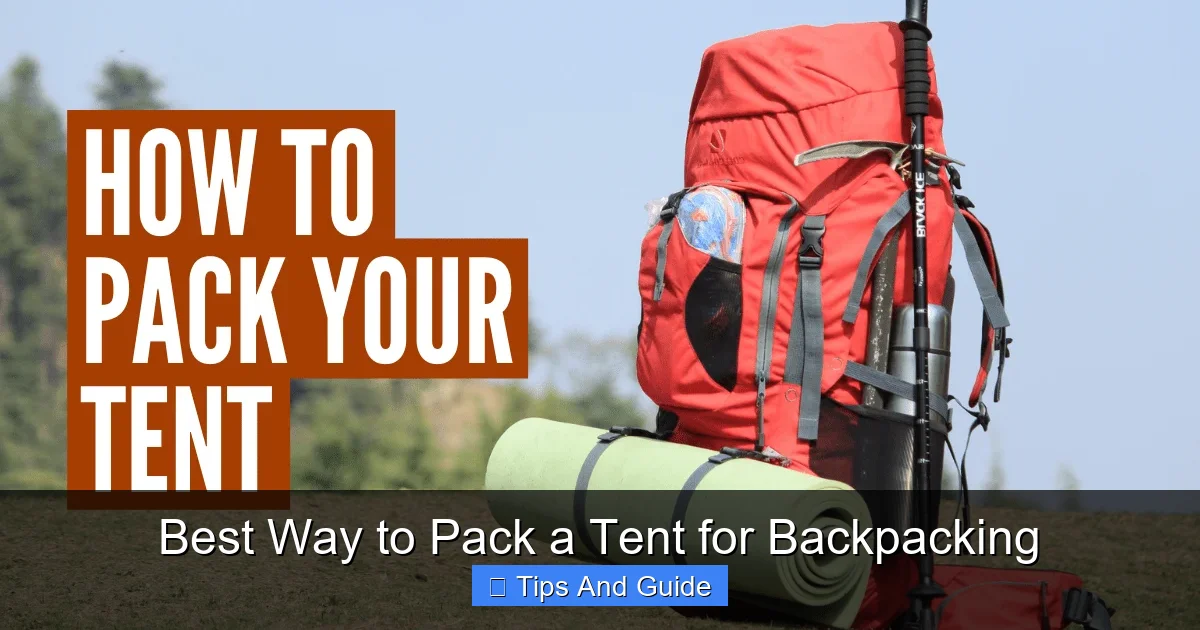
Visual guide about Best Way to Pack a Tent for Backpacking
Image source: camperfaqs.com
Now that you understand why it matters, let’s get into the nitty-gritty. Here’s a simple, repeatable method used by seasoned backpackers to pack their tents efficiently.
1. Clean and Dry Your Tent First
Before you even think about packing, make sure your tent is completely dry. Packing a damp tent invites mold and mildew, which can ruin the fabric and leave a musty smell. If you’re on the trail and can’t dry it fully, at least air it out as much as possible and finish drying it at home. For tips on drying a wet tent quickly, check out our guide on the best way to dry out a wet tent.
2. Disassemble and Organize Components
Take apart your tent completely: separate the inner tent, rainfly, poles, stakes, and guylines. Lay them out on a clean surface. This helps you avoid missing pieces and makes it easier to pack each component properly. Use small stuff sacks or ziplock bags to group similar items—like all the stakes in one bag and guylines in another.
3. Roll, Don’t Fold
Folding a tent creates sharp creases that can weaken the fabric over time. Instead, lay the inner tent flat and roll it tightly from one end to the other. Start from the foot end and roll toward the door, smoothing out wrinkles as you go. This method not only saves space but also helps maintain the tent’s structural integrity. For a detailed breakdown, see our article on the best way to fold up a tent.
4. Use a Compression Sack
A compression sack is a game-changer. These sacks have straps that let you squeeze out excess air and reduce volume. Look for one made from durable, waterproof material. Place your rolled tent inside and cinch the straps until it’s as compact as possible. This can reduce your tent’s packed size by nearly half compared to a regular stuff sack.
5. Pack Poles and Stakes Separately
Tent poles are rigid and can puncture fabric or damage other gear if packed loosely. Store them in their original sleeve or a dedicated pole bag. Stakes should go in a small, labeled bag to prevent loss. Some backpackers attach the pole bag to the outside of their pack using straps, keeping weight balanced and accessible.
Where to Place Your Tent in Your Backpack
Once your tent is packed, the next challenge is figuring out where it goes in your pack. The ideal placement depends on your pack design and personal preference, but there are a few best practices to follow.
Vertical Along the Side
Many backpackers prefer placing their tent vertically along the side of the pack, secured with compression straps. This keeps the weight close to your body and allows for easy access without unpacking everything. It’s especially useful if you plan to set up camp mid-hike or need to check your tent during the day.
At the Bottom (For Lightweight Packs)
If your pack has a bottom compartment, this can be a good spot—especially if your tent is ultralight. Just make sure it’s not crushed under heavier items like food or a sleeping bag. Use a stuff sack with a rigid bottom for extra protection.
Avoid the Top
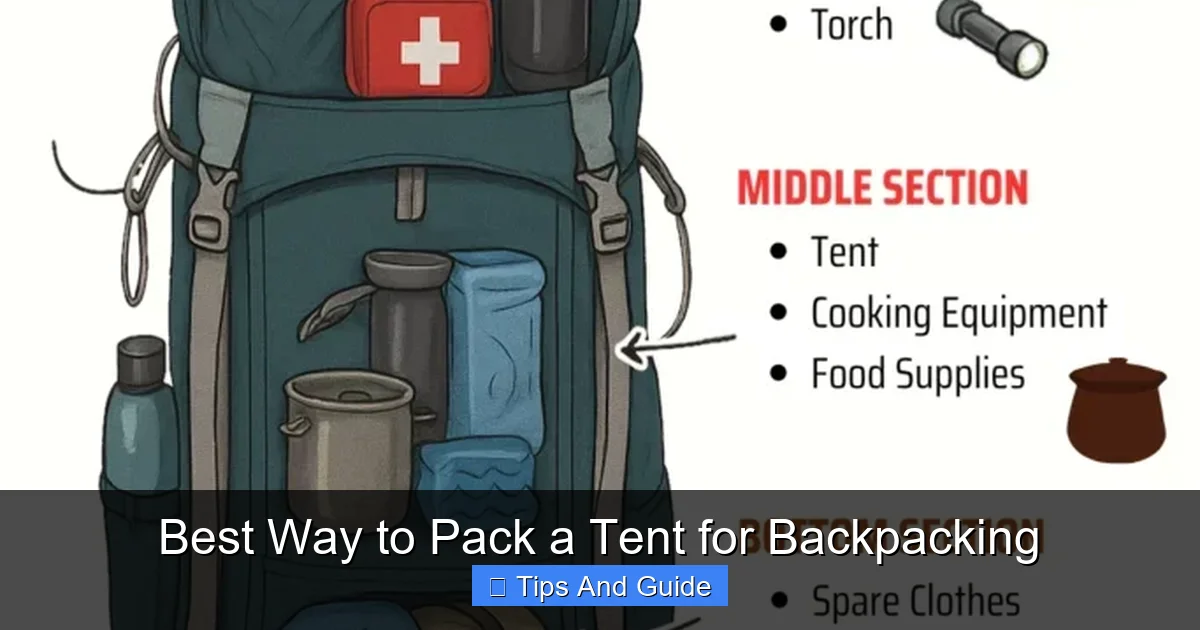
Packing your tent at the top of your pack shifts your center of gravity upward, making you feel top-heavy and unstable on uneven terrain. Reserve the top for lightweight, frequently used items like snacks, a first-aid kit, or a rain jacket.
Tips for Long-Term Tent Care
Packing your tent correctly isn’t just about convenience—it’s also about preserving its lifespan. A well-maintained tent can last for years, even decades, with the right care.
Inspect After Every Trip
Before packing away, check for tears, stuck zippers, or dirt buildup. Spot-clean any stains with mild soap and water. This prevents small issues from becoming big problems. For deep cleaning, refer to our guide on the best way to clean a tent after camping.
Store Loose, Not Compressed
While compression sacks are great for the trail, avoid storing your tent compressed at home. Long-term compression can weaken the fabric and coatings. Instead, store it loosely in a breathable bag in a cool, dry place.
Use a Footprint
A footprint (or ground cloth) placed under your tent protects the floor from abrasion and moisture. It also makes packing easier—just roll the footprint with the tent or pack it separately. This small addition can significantly extend your tent’s life.
Packing for Different Conditions
Your packing strategy might change depending on the season and environment.
Winter Backpacking
In cold weather, your tent may be bulkier due to extra insulation or a four-season design. Focus on keeping it dry and protected from snow. Consider using a larger compression sack and packing it lower in your pack for stability. For tips on staying warm, check out our article on the best way to keep tent warm in winter.
Summer and Hot Climates
In hot weather, ventilation is key. Pack your tent with the rainfly separate so you can use just the mesh inner for airflow. This also reduces packed size. For more on staying cool, see our guide on the best way to keep tent cool in hot weather.
Common Mistakes to Avoid
Even experienced hikers make packing errors. Here are a few to watch out for:
- Overstuffing the sack: This can tear seams or damage zippers.
- Mixing wet and dry gear: Always keep your tent away from damp clothing or cookware.
- Ignoring weight distribution: A poorly balanced pack leads to fatigue and discomfort.
- Forgetting small parts: Stakes and guylines are easy to lose—use labeled bags.
Final Thoughts
Mastering the best way to pack a tent for backpacking is a small but powerful skill that enhances your entire outdoor experience. It’s not just about fitting everything in—it’s about doing it with care, efficiency, and foresight. By rolling your tent, using the right bags, and placing it strategically in your pack, you’ll save space, protect your gear, and hike with greater comfort.
Take the time to practice at home, refine your system, and adapt it to your needs. Whether you’re heading into the mountains, desert, or forest, a well-packed tent is the foundation of a successful trip. So next time you’re gearing up, remember: how you pack matters just as much as what you pack.
Frequently Asked Questions
Should I fold or roll my tent when packing?
Rolling is the best way to pack a tent for backpacking. It saves space, reduces creases, and helps prevent fabric damage. Folding can create weak spots over time.
Can I pack my tent while it’s damp?
It’s not recommended. Packing a damp tent can lead to mold and mildew. If you must pack it wet, air it out as soon as possible and dry it fully at home.
Where should I store tent poles in my pack?
Store poles in their sleeve or a dedicated bag, and place them along the side or bottom of your pack. Avoid loose packing to prevent damage.
Do I need a compression sack for my tent?
Yes, a compression sack helps reduce volume and keeps your tent secure. It’s one of the best investments for efficient backpacking.
How often should I clean my tent?
Clean your tent after every trip if it’s dirty or wet. Regular maintenance prevents buildup and extends its lifespan.
Can I pack my tent with other gear inside the same bag?
It’s better to keep your tent separate to avoid punctures and moisture transfer. Use individual stuff sacks for organization and protection.